
Jay Heizer's Operations Management: Integrating Sustainability and Supply Chain Strategies
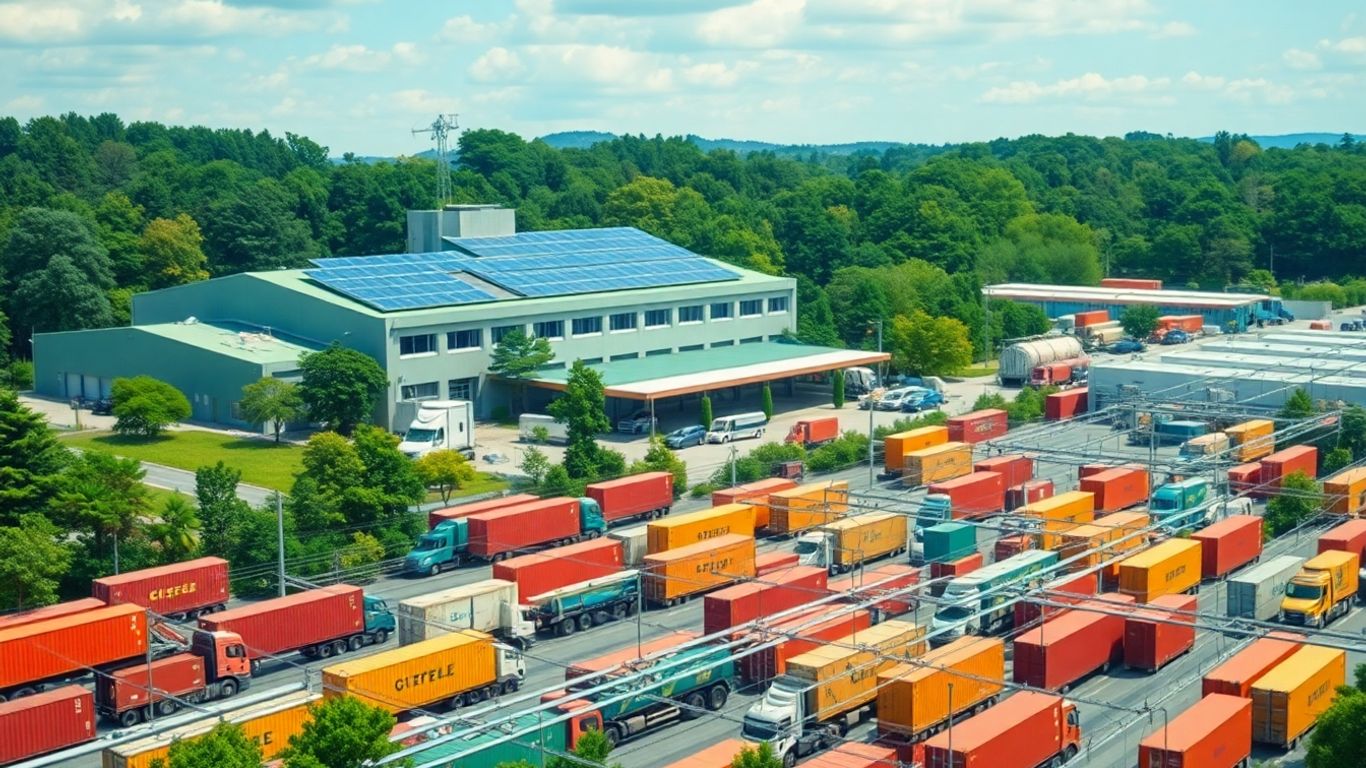
Thinking about how businesses run today, it's easy to get lost in all the details. Especially when you're talking about operations management, sustainability, and supply chain management. Jay Heizer's work often comes up in these discussions, and for good reason. He breaks down complex ideas into things we can actually understand. This article looks at how Heizer's approach helps companies manage their operations better, particularly when it comes to being more sustainable and handling their supply chains effectively. We'll cover the basics, look at real-world stuff, and see where things are headed.
Key Takeaways
- Jay Heizer's books offer a solid introduction to operations management, covering how to manage production and services.
- A big part of modern operations management, as discussed by Heizer, involves integrating sustainability into business practices.
- Supply chain management is a core component, focusing on strategic decisions and global dynamics.
- The field is always changing, with technology and new expectations pushing companies to adapt.
- Heizer's approach emphasizes practical application, showing how to improve operations while considering economic, environmental, and social impacts.
Integrating Sustainability into Operations Management

Foundational Concepts of Sustainable Operations
So, we're talking about making operations more sustainable. It's not just about being nice to the planet, though that's a big part of it. It's about looking at the whole picture: how our business affects the environment, the people involved, and yes, the bottom line. Think of it as a three-legged stool – if one leg is wobbly, the whole thing falls over. We need to be smart about how we use resources, cut down on waste, and make sure our processes don't harm anyone or anything.
- Resource Efficiency: This means using less energy, water, and raw materials. It's about getting more bang for your buck without trashing the place.
- Waste Reduction: We're talking about minimizing what we throw away and finding ways to reuse or recycle materials.
- Pollution Prevention: This is straightforward – stop pollution before it starts, whether it's in the air, water, or soil.
It's a shift in thinking, really. Instead of just focusing on making things fast and cheap, we're adding layers of responsibility. This approach helps businesses become more resilient and, frankly, better corporate citizens.
Balancing Economic, Environmental, and Societal Value
This is where things get interesting. We can't just focus on profit and ignore the planet or people. That's not a long-term plan. We need to find that sweet spot where economic success, environmental care, and social well-being all work together. It's often called the 'triple bottom line': Planet, People, and Profit. Making progress on all three fronts is key to building a business that lasts.
Here’s a quick look at how these values connect:
- Economic: Cost savings from efficiency, new market opportunities, better investor relations.
- Environmental: Reduced emissions, less waste, conservation of natural resources.
- Societal: Improved worker safety, community engagement, ethical sourcing.
It might seem complicated, but many companies are finding that when you focus on sustainability, you often end up improving your economic performance too. For instance, cutting down on energy use saves money, and being known for good practices can attract more customers. It's about smart business, not just charity.
The idea is to integrate these considerations into every decision, from designing a product to managing the flow of goods. It's not an add-on; it's part of the core strategy.
Building Blocks for Sustainable Value Chains
Creating a sustainable value chain means looking at every step, from where raw materials come from all the way to how a product is used and disposed of. It's a big undertaking, but it's built on a few key ideas. We need to think about the entire lifecycle of our products and services. This involves working closely with suppliers and customers to make sure everyone is on board with sustainable practices. It’s about creating a network where responsibility is shared.
Some of the main pieces of this puzzle include:
- Material Sourcing: Choosing materials that are renewable, recycled, or have a lower environmental impact.
- Production Processes: Implementing efficient manufacturing techniques that minimize energy and water use, and reduce waste.
- Logistics and Distribution: Optimizing transportation routes and methods to cut down on emissions and fuel consumption. This is where supply chain collaboration becomes really important.
- Product Use and End-of-Life: Designing products that are durable, repairable, and can be recycled or disposed of responsibly.
By focusing on these building blocks, companies can create value chains that are not only more environmentally friendly but also more efficient and resilient.
Jay Heizer's Approach to Supply Chain Management
Jay Heizer's work in operations management really digs into how companies handle their supply chains. It's not just about moving stuff from point A to point B; it's about making smart choices that affect the whole business. He breaks down the complexities of supply chains into manageable parts, showing managers how to think strategically about their operations.
Strategic Decisions for Operations Managers
Operations managers face a lot of big decisions. These aren't just day-to-day fixes; they shape how a company competes. Think about whether to make a component in-house or buy it from someone else. This 'make-or-buy' decision is a classic example. It impacts costs, quality control, and even how quickly a company can respond to market changes. Heizer emphasizes that these choices need to align with the overall business strategy. It's about finding that sweet spot where operational capabilities support what the company is trying to achieve.
- Make-or-Buy Decisions: Evaluating internal capabilities versus external supplier options.
- Outsourcing: Deciding which functions can be effectively handled by third parties.
- Sourcing Strategies: Choosing between many suppliers, few suppliers, vertical integration, joint ventures, Keiretsu networks, or virtual companies.
Global Supply Chain Dynamics
Today's supply chains rarely stay within one country. They stretch across the globe, bringing both opportunities and challenges. Managing a global supply chain means dealing with different regulations, currencies, and cultures. It also means thinking about risks, like natural disasters or political instability, that could disrupt the flow of goods. Heizer's approach highlights the need for robust planning and flexibility to handle these global complexities. Understanding these dynamics is key to maintaining a competitive edge.
Here's a look at some common sourcing strategies:
Real-World Operational Insights
Looking at how companies actually manage their operations provides practical lessons. Heizer often uses case studies to show how theoretical concepts play out in practice. For instance, managing inventory is a constant balancing act. Too much inventory ties up capital, but too little can lead to stockouts and lost sales. Companies like Amazon.com, for example, have built their success on sophisticated inventory and logistics management. They use data analytics to predict demand and optimize their warehouse operations. It’s about applying the principles to solve real problems and drive efficiency.
The Evolving Landscape of Operations Management

Operations management isn't static; it's constantly shifting. Think about how much things have changed even in the last decade. We're seeing a big push towards more responsive and effective ways of doing business, often driven by new management structures and better teamwork. It's all about adapting to what the world throws at us.
Adapting to Global Market Expectations
Customers today expect more. They want products and services tailored to their specific needs, and they want them fast. This pressure means operations managers have to get creative. We need to design products and set up production lines that can handle a lot of variety without breaking the bank or slowing things down. It's a balancing act, for sure.
- Mass customization is becoming the norm, not the exception.
- Firms must respond quickly to changing consumer tastes.
- Flexibility in production processes is key.
Technological Advancements in Operations
Technology is a huge part of this evolution. Things like the internet and e-commerce have really sped up communication and cut down on costs. Plus, innovations from fields like physics and biology are leading to new materials and processes that we couldn't have imagined before. It's pretty wild how science keeps pushing the boundaries of what's possible in operations.
The integration of information technology, with its wireless links and e-commerce capabilities, is fundamentally changing how businesses operate. Decisions in operations management now rely heavily on individuals who are skilled in analytical tools, IT, and often a scientific discipline.
Emerging Trends in Operations Management
What's next? Well, lean operations are still a major focus. The idea is to run things efficiently, keep customers happy, respect employees, and get rid of waste wherever possible. It's about creating enriched jobs and making sure goods and services get to customers exactly when and where they need them. This approach is becoming the standard for well-run operations. We also see a growing emphasis on sustainability and ethics, especially in a global workforce. It's not just about making things; it's about making them the right way. You can find more about these strategic decisions in operations management.
Here's a quick look at some historical shifts:
- Early Concepts (1776–1880): Focused on labor specialization and standardized parts.
- Scientific Management (1880–1910): Introduced time studies and process analysis.
- Mass Production (1910–1980): Saw the rise of the assembly line and statistical methods.
- Lean Production (1980–1995): Emphasized just-in-time and total quality management.
- Mass Customization (1995–2005): Driven by the internet and supply chain management.
- Globalization Era (2005–2020): Characterized by global supply chains and instant communication.
Enhancing Operational Performance Through Sustainability
It's not just about being good; it's about being smart. Integrating sustainability into how we run our operations can actually make us more efficient and, yes, more profitable. Think of it as a way to cut waste, use resources better, and build a stronger business all at once. This isn't some far-off ideal; it's a practical approach that's reshaping how successful companies operate today.
Achieving Profitable Growth with Sustainability
Many businesses are finding that going green doesn't mean going broke. In fact, it often leads to better financial results. By focusing on reducing energy use, minimizing waste, and using materials more wisely, companies can see their operating costs drop. This focus also drives innovation, pushing teams to find new, more efficient ways to do things. This drive for efficiency, coupled with a commitment to responsible practices, builds a more resilient and competitive business. It also helps attract customers and investors who care about these issues, which can lead to increased sales and better access to capital.
Practical Examples of Sustainable Value Chains
Let's look at a few ways companies are putting sustainability into action:
- Resource Efficiency: Companies are redesigning processes to use less water and energy. For example, some manufacturers are implementing closed-loop water systems to reuse water in their production lines. This not only saves a precious resource but also cuts down on water treatment costs.
- Waste Reduction: Instead of just throwing things away, businesses are finding ways to repurpose or recycle materials. This could mean finding new uses for byproducts or designing products that are easier to take apart and recycle at the end of their life. It's about seeing waste not as an endpoint, but as a potential resource.
- Ethical Sourcing: This involves looking closely at where raw materials come from and how they are produced. Companies are working with suppliers to ensure fair labor practices and environmentally sound methods. Building these kinds of sustainable partnerships helps create a more reliable and ethical supply chain.
Measuring the Benefits of Sustainable Operations
So, how do we know if it's actually working? We need to measure it. This means keeping an eye on key performance indicators (KPIs) related to sustainability. Some common ones include:
- Energy consumption per unit of production
- Water usage and discharge levels
- Amount of waste generated and recycled
- Greenhouse gas emissions
Tracking these metrics helps us see where we're making progress and where we need to improve. It also provides data to share with stakeholders, showing them the real impact of our sustainability efforts. It's about making the invisible visible and demonstrating the tangible benefits of operating responsibly.
The shift towards sustainability in operations isn't just a trend; it's becoming a core requirement for long-term success. Companies that embrace it are finding new ways to operate more efficiently, reduce costs, and build stronger relationships with customers and communities. It's a win-win situation that benefits both the business and the planet.
Core Principles of Operations Management
Operations management is all about how we get things done, whether it's making a product or providing a service. It's a big part of any business, and understanding its core principles is key to success. Think about it – every company needs to figure out how to produce what it offers, manage its resources, and keep customers happy. That's where operations management comes in.
Operations and Productivity Fundamentals
At its heart, operations management focuses on transforming inputs into outputs. This could be raw materials into cars, or customer requests into completed software. The goal is always to be productive, meaning we get the most output for the least input. It's not just about making more stuff; it's about making it better and more efficiently. This involves looking at everything from how work is organized to the tools and technology used. Productivity is a measure of efficiency and output per input.
Here are some basic ideas:
- Efficiency: Doing things right. This means minimizing waste of time, money, and materials.
- Effectiveness: Doing the right things. This means making sure what you produce actually meets customer needs.
- Quality: Meeting or exceeding customer expectations for the product or service.
Strategy in a Global Environment
Operations managers don't work in a vacuum. They have to think about the bigger picture, especially in today's interconnected world. This means considering how operations fit into the overall company strategy and how to compete on a global scale. It's not just about what happens inside the factory walls anymore; it's about managing supply chains that can span continents. Companies need to figure out where to locate facilities, how to design products that appeal to different markets, and how to adapt to changing international demands. This is a big part of what makes Jay Heizer's Operations Management such a useful resource.
Managing Quality and Processes
Quality is a huge deal. Customers expect products and services to work as advertised, and often, they expect them to be even better. Operations managers are responsible for building quality into every step of the process. This isn't just about inspecting the final product; it's about preventing defects from happening in the first place. It involves designing processes that are robust and reliable, training employees, and continuously looking for ways to improve. Think about the evolution of operations management, from early concepts to the current focus on lean production and mass customization. Each era has brought new ways to think about how to manage processes and ensure high quality.
Managing processes effectively means understanding the flow of work, identifying bottlenecks, and implementing controls to maintain consistency and reduce errors. It's a continuous cycle of planning, doing, checking, and acting to refine how things are done.
Key Components of Sustainable Supply Chains
Addressing Environmental Issues in Supply Chains
When we talk about making supply chains more sustainable, a big part of that is looking at the environmental side of things. It’s not just about being "green" for show; it’s about practical steps that reduce harm and use resources smarter. Think about the journey of a product, from the very start with raw materials all the way to when a customer gets it, and even after that. Every step has an environmental impact, whether it's the energy used, the waste produced, or the pollution generated.
We need to get better at tracking where things come from and how they're made. This means looking closely at things like:
- Resource Use: How much water, energy, and raw materials are being consumed at each stage? Can we find ways to use less or use recycled materials?
- Waste Management: What kind of waste is being created, and how is it being handled? Are we aiming for zero waste, or at least significantly reducing what goes to landfills?
- Emissions: What greenhouse gases or other pollutants are being released into the air, water, or soil? This includes everything from factory smokestacks to transportation.
- Biodiversity Impact: Are our sourcing practices affecting natural habitats or wildlife? This is especially important for industries like agriculture and forestry.
The goal is to minimize the negative footprint we leave behind. This often involves looking at the entire lifecycle of a product. For instance, designing products that are easier to repair or recycle at the end of their life makes a big difference. It’s a complex puzzle, but tackling these environmental issues head-on is what makes a supply chain truly sustainable.
Making supply chains environmentally sound requires a detailed look at every single process. It's about finding efficiencies that also benefit the planet, not just the bottom line. This often means rethinking how we design, produce, and transport goods.
Forming Sustainable Partnerships
Building a sustainable supply chain isn't something a company can do alone. It really depends on working closely with all the other players involved – the suppliers, the manufacturers, the distributors, and even the customers. These relationships are key. You can't just tell your suppliers to "be more sustainable" and expect magic to happen. You have to work together, share information, and sometimes even help them make the changes needed. This involves setting clear expectations and making sure everyone is on the same page about what sustainability means for your specific business.
Here are some ways companies build these partnerships:
- Clear Communication: Regularly talking with suppliers about sustainability goals and performance. This includes sharing best practices and providing feedback.
- Collaboration on Innovation: Working together to find new, more sustainable ways of doing things, like developing eco-friendly packaging or more efficient production methods.
- Supplier Development Programs: Offering training or resources to help suppliers improve their environmental and social practices. This is especially helpful for smaller suppliers who might not have the resources on their own.
- Fair Contracts and Long-Term Relationships: Offering stable, fair contracts can encourage suppliers to invest in sustainable practices, knowing they have a reliable partner.
It’s about creating a network where everyone is committed to the same sustainability objectives. This kind of collaboration can lead to better supply chain management overall, making it more resilient and responsible.
Green Supply Chain Management Strategies
Green supply chain management is all about integrating environmental thinking into every part of the supply chain. It’s a proactive approach to reduce environmental impact and improve efficiency. This isn't just about compliance; it's about finding smarter ways to operate that benefit both the business and the planet. Think of it as a set of strategies designed to make the entire flow of goods and services as environmentally friendly as possible.
Some key strategies include:
- Product Design for Sustainability: Creating products that use fewer resources, are easier to recycle, or have a longer lifespan.
- Green Procurement: Choosing suppliers who demonstrate strong environmental performance and sourcing materials that are recycled or sustainably produced.
- Eco-Efficient Logistics: Optimizing transportation routes, using fuel-efficient vehicles, and exploring alternative shipping methods to reduce emissions.
- Reverse Logistics: Managing the return of products for repair, refurbishment, or recycling, turning waste streams into valuable resources.
- Waste Reduction and Pollution Prevention: Implementing processes that minimize waste generation and prevent pollution at every stage of production and distribution.
Implementing these strategies often requires new technologies and a shift in mindset across the organization. It’s a continuous improvement process, always looking for ways to do better. For example, using AI to optimize energy consumption in warehouses or employing IoT devices to monitor water usage in manufacturing plants are practical applications of green supply chain management.
Building a strong and eco-friendly supply chain involves several key parts. These include making sure your suppliers are ethical, using resources wisely, and reducing waste. It's all about working together to be kinder to our planet. Want to learn more about how to make your business greener? Visit our website today!
Wrapping It Up
So, we've looked at how Jay Heizer's work on operations management really brings together the important stuff about sustainability and supply chains. It’s not just about making things or moving them around anymore. Companies today have to think about the planet and people, too, and how their whole process, from start to finish, affects everything. Heizer’s approach shows that being good to the environment and society can actually make a business stronger and more successful in the long run. It’s about smart planning and making sure your supply chain isn't just efficient, but also responsible. It’s a big shift, but it’s the way forward for businesses that want to stick around and do well.
Frequently Asked Questions
What does 'sustainability' mean for a business?
Sustainability in business means running a company in a way that's good for the planet and people, not just for making money. It's about thinking about how your actions affect the environment and society in the long run, while still being profitable.
How does Jay Heizer's book talk about supply chains?
Jay Heizer's book looks at how companies make and move their products. It covers important choices that managers make, how businesses work together around the world, and gives real examples of how companies manage their operations.
Why is it important for businesses to be more sustainable?
Being sustainable helps businesses in many ways. It can lead to new ideas, make customers happier, help the environment, and even save money in the long run. It's becoming more and more expected by everyone.
What's a 'green supply chain'?
A green supply chain is all about making the process of getting products from start to finish as eco-friendly as possible. This means reducing waste, using less energy, and working with partners who also care about the environment.
How can a company be both profitable and sustainable?
Companies can be profitable and sustainable by finding smart ways to use resources, reduce waste, and create products that people want and that are also good for the planet. Often, being more efficient to be sustainable also saves money.
What are some key ideas in operations management?
Operations management is about making sure things are made and delivered efficiently. Key ideas include how to make things better, planning for the future, making sure products are good quality, and managing the whole process smoothly.