
How You Can Save Earth and Our Future: Simple Steps for Everyone
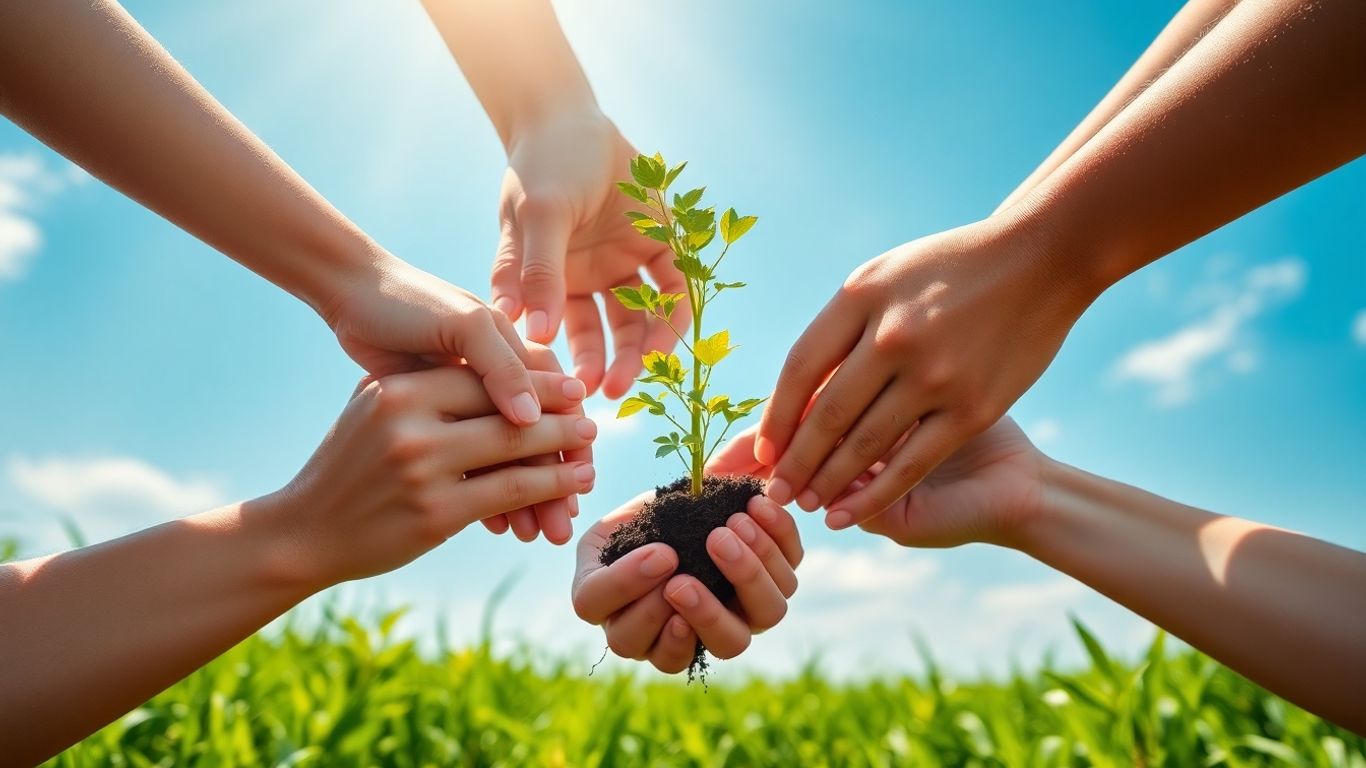
The world's climate is changing, and scientists say we're at a critical point. Extreme weather, rising seas, and threats to our food supply are already happening. While big changes are needed from countries, us individuals can also do a lot to help save Earth and our future. It's not as hard as you might think to make a difference. Small steps, taken by many people, add up to a big impact.
Key Takeaways
- Conserve water at home by fixing leaks and using less. Choosing filtered tap water over bottled water also cuts down on plastic waste.
- Rethink how you travel. Driving less, walking, biking, or using public transport cuts down on emissions. Combining errands helps too.
- Be mindful of what you buy and use. Reducing waste through the 'reduce, reuse, recycle' method is important. Composting food scraps also helps.
- Make your home more eco-friendly by using energy-efficient lights and appliances. Being mindful of energy use daily makes a difference.
- Support nature by planting native species and participating in clean-up events. Your choices, from what you buy to where you invest, can help save Earth.
Simple Ways to Save Earth and Our Future
The planet is our only home, and right now, it needs our help. It can feel overwhelming, thinking about all the big environmental issues out there, but the good news is that everyday actions really do add up. We're not talking about drastic lifestyle changes here, just some smart adjustments that can make a real difference. Every little bit helps when it comes to protecting our world for ourselves and for generations to come.
Conserve Water at Home
Water is a precious resource, and it's easy to waste more than we realize. Think about that leaky faucet you've been meaning to fix. A single drip can waste gallons of water every single day. Fixing it is usually a simple and inexpensive task. Beyond that, simple habits like turning off the tap while brushing your teeth or washing dishes can save a surprising amount. Consider switching to low-flow showerheads and toilets too; they work just as well but use significantly less water. It's about being mindful of how we use this vital element.
Reduce Your Reliance on Cars
Our cars contribute a lot to air pollution and greenhouse gas emissions. If you can, try to leave the car parked a couple of days a week. Combining errands into one trip can cut down on mileage. Maybe you could even talk to your boss about working from home a day or two each week. It's a win-win: less pollution and potentially more flexibility for you. Think about how many trips you make that could be consolidated or avoided altogether. Reducing car use is a big step towards cleaner air.
Embrace Public Transportation and Active Travel
When you do need to get around, consider alternatives to driving alone. Public transportation like buses and trains are a great way to reduce the number of cars on the road. Plus, it can often be more relaxing than dealing with traffic. If your destination is close enough, walking or biking are fantastic options. Not only do they produce zero emissions, but they're also great for your physical health. It's a chance to get some fresh air and exercise while doing something good for the planet. You might even discover new routes or local spots you never noticed before.
Rethink Your Consumption Habits
It's easy to feel like we're just one person in a world of billions, and what we buy or throw away doesn't really matter. But honestly, it does. Every single thing we purchase, use, and discard has an impact on our planet. The good news is that being more mindful about our consumption doesn't have to be a huge hassle or break the bank. It can actually be kind of interesting to figure out new ways to live a little lighter on the Earth.
Reduce, Reuse, and Recycle Diligently
This is the classic trio for a reason. It's about being smart with what we already have. Think about it: when you recycle a plastic bottle, it can become something new instead of sitting in a landfill for hundreds of years. Same goes for paper, glass, and metal. But it's not just about the bins. It's also about actively choosing to reuse things. Bring your own bags to the grocery store, use a reusable water bottle, and pack your lunch in containers instead of plastic wrap. Before you toss something, ask yourself if it can be used for something else. That old t-shirt? Perfect for cleaning rags. An empty jam jar? Great for storing small items or even as a makeshift vase.
- Paper Waste: The average household tosses a lot of paper each year, much of it junk mail. Take a few minutes to opt out of mailing lists. When ordering online, see if you can consolidate shipments.
- Plastic Reduction: Say no to single-use plastics like straws, disposable cutlery, and excessive packaging whenever possible.
- Material Choices: When buying new, look for items made from recycled materials or those that are easily recyclable.
Give Composting a Try
Food waste is a bigger problem than most people realize. When food scraps end up in landfills, they produce methane, a potent greenhouse gas. Plus, all the resources – water, energy, labor – that went into growing and transporting that food are wasted too. Composting turns those scraps into valuable fertilizer for plants. It might sound complicated, but it's often simpler than you think. You can start with a small bin on your balcony or a larger one in your yard. Many communities also have composting programs.
Composting food scraps and yard waste can significantly reduce the amount of trash sent to landfills, thereby cutting down on methane emissions and creating a nutrient-rich soil amendment for gardens.
Choose Sustainable Products
This is where your purchasing power really comes into play. Every dollar you spend is a vote for the kind of world you want. Look for companies that are transparent about their environmental practices. Do they use renewable energy? Are they minimizing waste in their production? Are their products built to last, or are they designed to be thrown away after a short time? Supporting businesses that prioritize sustainability sends a clear message and helps drive positive change. It might take a little extra research, but finding products that align with your values makes a difference.
- Durability: Opt for items that are well-made and designed for longevity.
- Ethical Sourcing: Investigate where and how products are made.
- Minimal Packaging: Favor products with less, or more eco-friendly, packaging.
Make Your Home More Eco-Friendly
Our homes are our sanctuaries, but they can also be major contributors to environmental strain. Making them more eco-friendly isn't just about saving the planet; it's also about saving money on your utility bills and creating a healthier living space. Let's look at some straightforward ways to green up your act at home.
Switch to Energy-Efficient Lighting
Lighting accounts for a significant chunk of household energy use. While compact fluorescent lamps (CFLs) were a good step, light-emitting diodes (LEDs) are the current champions of energy efficiency. They use way less power than traditional bulbs and last considerably longer. Think about it: an LED bulb can shine for around 30,000 hours, compared to maybe 1,000 hours for an old incandescent bulb. Yes, they might cost a bit more upfront, but the savings on your electricity bill and the reduced hassle of frequent replacements add up fast. Start swapping out your old bulbs for LEDs whenever one burns out, or consider a full replacement to see the biggest impact.
Live Energy-Wise Daily
Beyond lighting, daily habits play a huge role in how much energy your home consumes. Little changes can make a big difference. For instance, keeping your curtains or blinds closed during extreme heat or cold can help regulate your home's temperature, meaning your heating and cooling systems don't have to work as hard. Regularly changing your HVAC air filter also helps your system run more efficiently. Consider installing a programmable thermostat; you can set it to lower the temperature when you're away or asleep, saving energy without sacrificing comfort. Making these adjustments can lead to noticeable reductions in your energy usage.
Consider Greener Home Energy Sources
Looking for a bigger impact? Think about where your home's energy comes from. While it might seem like a large undertaking, exploring options for greener home energy sources can be a game-changer. This could involve looking into renewable energy providers in your area or, for homeowners, investigating the possibility of installing solar panels. These upgrades can significantly reduce your home's environmental footprint and contribute to a more sustainable future. Making eco-friendly renovations can also lower utility bills over time, making it a smart investment for both your wallet and the planet. You can find resources to help you explore eco-friendly renovations and their benefits.
Making conscious choices about energy consumption and sources at home is a powerful way to contribute to environmental well-being. It's about smart, sustainable living that benefits everyone.
Nurture Nature and Biodiversity

Our planet is a vibrant tapestry of life, and it's up to us to keep it that way. Sometimes, the sheer scale of environmental issues can feel overwhelming, but there are simple, everyday actions we can take to support nature and the amazing creatures we share Earth with. It’s about making conscious choices that add up to a big difference.
Plant Native Species in Your Garden
Think about your own backyard or even a small balcony. Planting native species is a fantastic way to help local wildlife. These plants are already adapted to our climate and soil, meaning they need less water and care. More importantly, they provide the food and shelter that local insects, birds, and other animals have evolved to rely on. It’s like creating a mini-ecosystem right outside your door. You can find out which plants are native to your area by checking with local conservation groups or garden centers. Even a few pots of native wildflowers can make a difference.
Support Local Clean-Up Initiatives
Trash doesn't just look bad; it actively harms wildlife and pollutes our environment. Participating in local clean-up events is a direct way to combat this. Whether it's a park, a beach, or a riverbank, these efforts remove harmful debris and make our shared spaces healthier. It’s also a great way to meet like-minded people and see the immediate impact of your work. Many organizations regularly host these events, so look for opportunities in your community. You can often find information about these events through local government websites or environmental groups.
Plant a Tree for a Greener Tomorrow
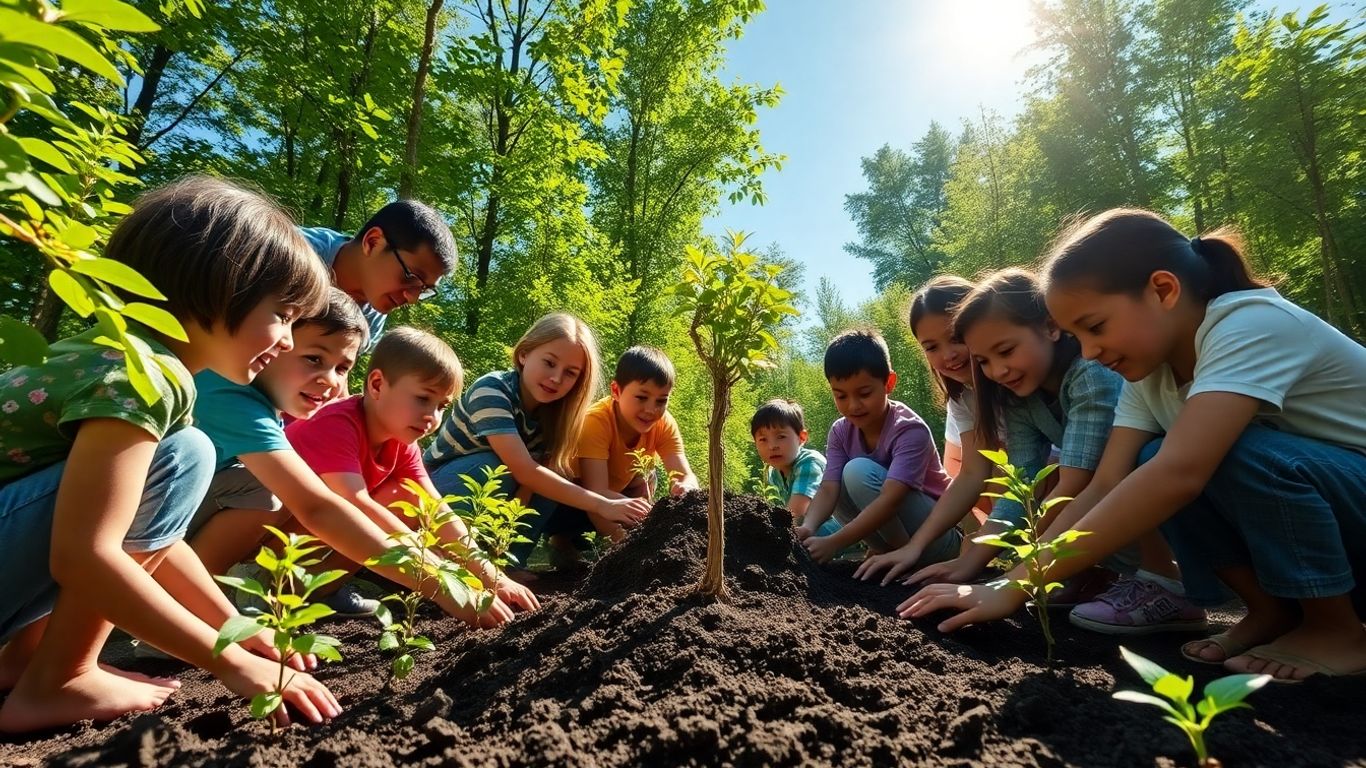
Trees are absolute powerhouses for the environment. They clean our air, provide homes for countless species, help prevent soil erosion, and absorb carbon dioxide. Planting a tree, whether it's in your yard, a community space, or through a dedicated tree-planting organization, is an investment in the future. It’s a living legacy that will benefit generations to come. Consider planting a tree that is suited to your local climate for the best chance of survival and growth. This simple act contributes to a healthier planet and a more beautiful world for everyone. For those looking to make a broader impact, consider supporting organizations dedicated to reforestation efforts around the globe, like those working to restore vital habitats. The Corporate Sustainability Reporting Directive (CSRD) is also pushing companies to be more transparent about their environmental impact, which can indirectly support these kinds of initiatives by encouraging sustainable practices.
Taking care of nature isn't just about grand gestures; it's about consistent, thoughtful actions. Every native plant, every piece of litter removed, and every tree planted contributes to a healthier planet. These efforts build upon each other, creating a ripple effect that benefits ecosystems and communities alike.
Amplify Your Impact
Educate Yourself and Others
It's easy to feel overwhelmed by the scale of environmental challenges. But knowledge is power, and understanding the issues is the first step to making a real difference. Take some time to learn about climate change, biodiversity loss, and pollution. Read articles, watch documentaries, and follow reputable environmental organizations. The more you know, the better equipped you'll be to make informed choices and talk to others about why these issues matter.
Sharing what you learn can be incredibly effective. Chat with your friends, family, and colleagues about what you've discovered. Sometimes, a simple conversation can spark a new perspective or inspire someone to take action. You don't need to be an expert; just sharing your genuine concern and what you've learned can be enough to get people thinking.
Use Your Voice for Change
Your voice is a powerful tool. Don't underestimate the impact you can have by speaking up. This means more than just talking to friends. It involves engaging with the people who make decisions. Contact your local representatives and let them know that environmental protection is important to you. Attend town hall meetings or write letters to your elected officials. Showing that people care about these issues puts pressure on leaders to act.
Beyond politics, use your voice in your community and workplace. Support businesses that are making an effort to be sustainable. Let companies know when you appreciate their eco-friendly practices, and when you think they could do better. Collective voices can drive significant change.
Make Your Money Count for the Planet
Every purchase you make is a vote for the kind of world you want. Think about where your money goes. Supporting companies that prioritize sustainability sends a clear message. Look for products made with recycled materials, those with minimal packaging, or from businesses that have transparent ethical and environmental practices.
Consider the impact of your investments and banking too. Are your savings supporting industries that harm the planet? Many financial institutions now offer greener options. Even small changes, like switching to a bank that invests in renewable energy, can add up.
Here are a few ways to make your spending more planet-friendly:
- Choose durable goods: Opt for items built to last rather than disposable ones.
- Buy local: Reduce transportation emissions by purchasing goods from nearby producers.
- Support ethical brands: Research companies' environmental and social policies before buying.
- Repair instead of replace: Fix items when they break whenever possible.
The choices we make daily, from what we eat to what we buy, have ripple effects. By being more mindful consumers, we can collectively steer markets towards more responsible practices and reduce our overall environmental footprint. It's about aligning our spending with our values.
Ready to make a real difference? You can boost your positive impact and help create a better future. Visit our website today to learn how you can get involved and start making changes that matter.
It All Adds Up
Look, saving the planet might sound like a huge job, and honestly, it is. But that doesn't mean we can't all chip in. Every little bit we do, whether it's remembering to bring reusable bags to the store or turning off lights when we leave a room, actually makes a difference. It’s not about being perfect, it’s about trying. If we all make a few small changes, and maybe even get our friends and family to join in, we can really start to see some positive shifts. Our future, and the future of this amazing planet, depends on us taking these steps together. So let's get started, okay?
Frequently Asked Questions
What are some easy ways to help the planet?
You can make a big difference by doing simple things every day! Try to use less water, walk or bike instead of driving when you can, and make sure to recycle. Also, think about reducing the amount of stuff you buy and reuse things whenever possible. Even small actions add up when everyone does them.
Why is it so important to protect Earth?
Earth is our only home, and it's pretty special! It's the only planet we know of that has everything we need to live, like fresh water, air to breathe, and food. Protecting it means making sure these things are around for us and all the other living things that share our planet.
How can I change my daily habits to be more eco-friendly?
It's easier than you think! You can start by turning off lights when you leave a room, taking shorter showers, and not letting the water run while you brush your teeth. Bringing your own bags to the store and avoiding single-use plastics are also great steps. Plus, consider walking or biking for short trips instead of driving.
What happens if we don't do anything about pollution?
If we keep polluting, the Earth's temperature will keep going up. This can lead to more extreme weather like floods and heatwaves, harm animals and plants by destroying their homes, and create many other serious problems. It's important to act now to avoid these big issues.
Does recycling actually make a difference?
Absolutely! When you recycle things like paper, plastic, and metal, it means we don't have to use as many new resources from the Earth. It also helps reduce the amount of trash that ends up in landfills, which can pollute the land and air. So, yes, every little bit you recycle counts!
Besides recycling, what else can I do with my trash?
Composting is a fantastic option for food scraps and yard waste! Instead of throwing them away, you can turn them into healthy soil for plants. This reduces the amount of waste going to landfills and helps fight climate change because rotting food in landfills creates a harmful gas. Also, try to buy less stuff overall and reuse things you already have.