
How to Reduce Carbon Footprint in Your Business
.jpeg)
Climate change is no longer a distant threat; it’s disrupting lives, economies, and ecosystems right now. Every year, rising emissions fuel harsher heatwaves, unbearable pollution, and extreme weather that millions are unprepared for.
Yet despite growing awareness, most people still feel overwhelmed, unsure where to start or whether individual actions even matter.
The truth is that reducing your carbon footprint isn’t about perfection — it’s about practical, consistent choices that create real impact when adopted at scale.
We have detailed how to reduce carbon footprint for businesses seeking to cut emissions and contribute to a more resilient future.
Why is Reducing Carbon Footprint Important?
Climate change is already shaping day to day business reality. Heatwaves, floods and storms now cause frequent operational disruption, damage physical assets and increase insurance and energy costs.
For many sectors, climate risk and supply chain resilience are now boardroom topics rather than future scenarios, which makes reducing carbon footprint a practical business priority.
At the same time, regulation is moving fast. CSRD reporting requirements and ESRS climate standards expect companies to disclose detailed Scope 1, 2 and Scope 3 emissions, along with credible transition plans.
In India, BRSR and BRSR Core reporting are extending disclosure to more listed entities, while supervisors and investors are using this data to assess performance and risk.
This means your carbon footprint is now tied to supply chain resilience, access to capital and talent attraction.
10 Simple Ways To Reduce Your Carbon Footprint
Reducing emissions doesn’t always require massive operational overhauls. There are practical, actionable ways to reduce carbon footprint that any business can begin implementing today.
These methods to reduce carbon footprint not only lower environmental impact but also improve efficiency and cut long-term costs. These 10 simple ways to reduce your carbon footprint give businesses a clear roadmap for immediate action
1. Switch to Renewable Energy Sources
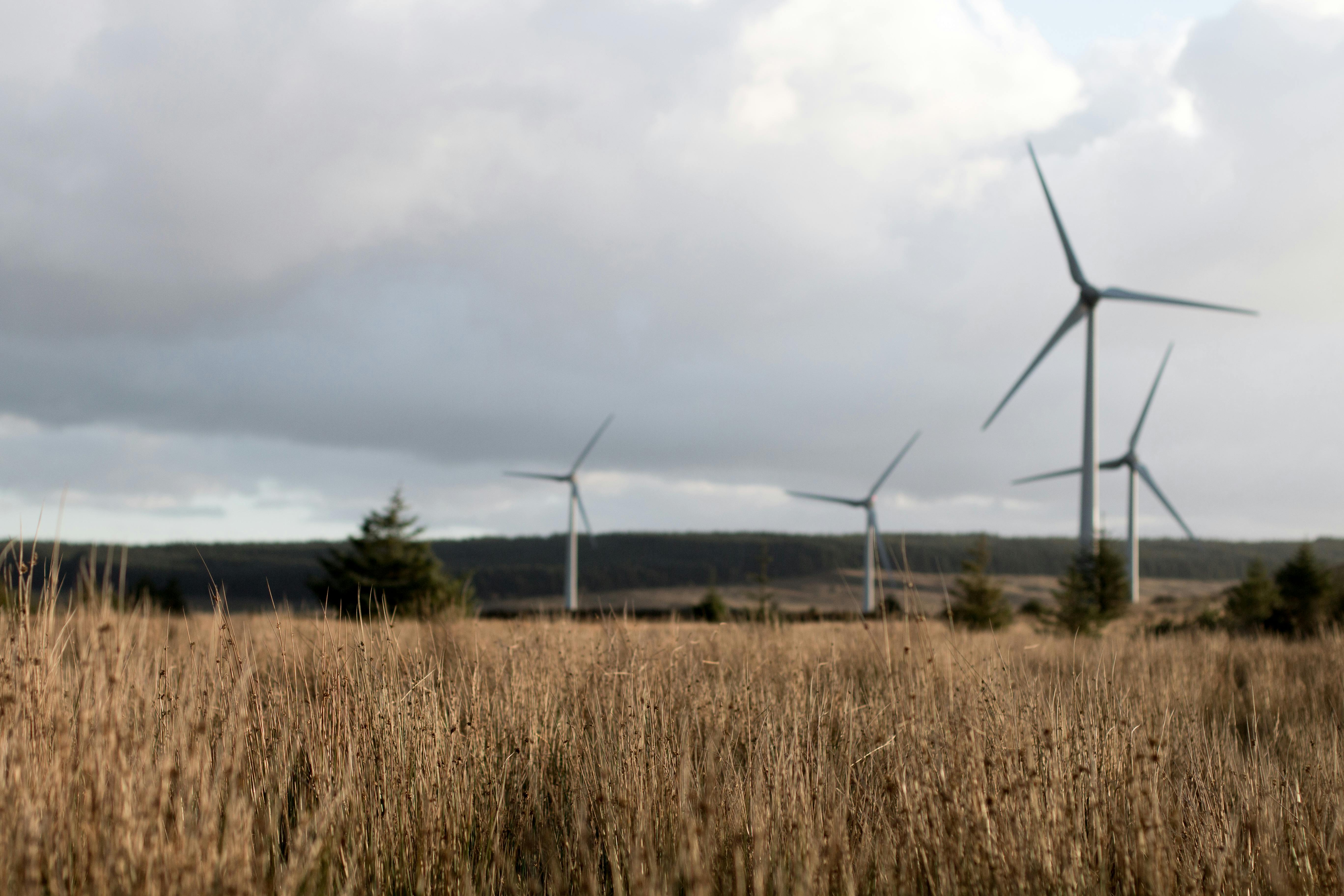
Renewable electricity from solar, wind, or hydropower is one of the most effective tips to reduce carbon footprint because it eliminates emissions from traditional fossil-fuel energy. Businesses can install onsite systems or procure green energy contracts to transition smoothly. Choosing clean energy demonstrates how can companies reduce their carbon footprint while improving operational resilience.
2. Improve Energy Efficiency in Buildings
Simple interventions like LED lighting, efficient HVAC systems, and automated controls significantly lower energy consumption. These methods help reduce unnecessary waste and lower utility expenses. Every upgrade brings measurable progress in how can businesses reduce their carbon footprint while enhancing workplace comfort.
3. Optimize Equipment and Machinery Usage
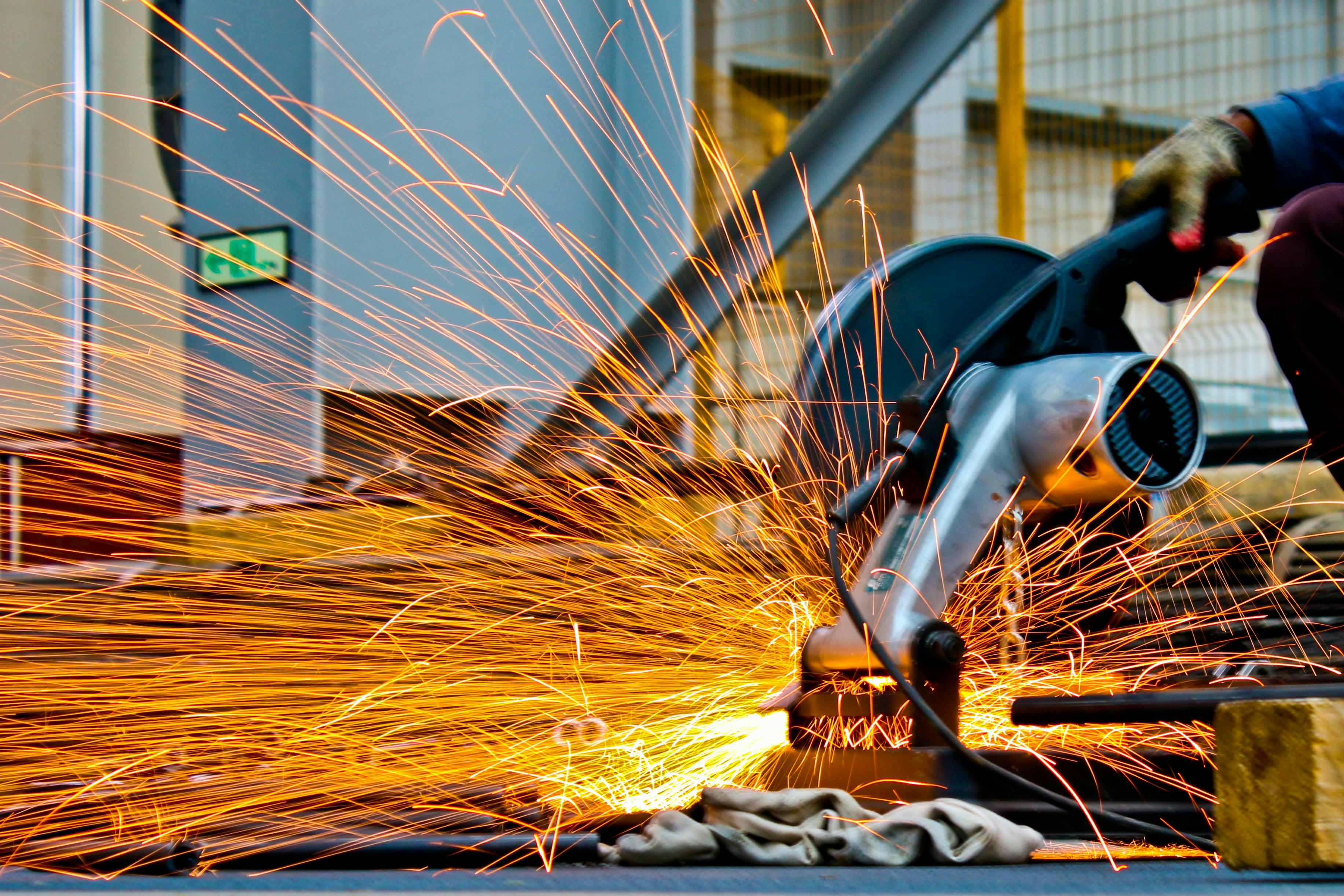
Running outdated machinery creates energy drain and higher emissions. Switching to modern, energy-efficient models is one of the smartest ways to reduce carbon footprint for operational teams. These upgrades also improve productivity and showcase how can we reduce carbon footprint through smarter resource use.
4. Reduce Waste Through Better Resource Management
Businesses generate tons of waste that could be recycled, repurposed, or eliminated with better systems. Implementing digital documentation, recycling programs, and smarter procurement are practical methods to reduce carbon footprint at scale. Reducing waste also impacts how companies can reduce their carbon footprint in a highly cost-effective way.
5. Prioritize Sustainable Procurement
Choosing suppliers who follow sustainable practices is a powerful way to influence emissions beyond your direct operations. This approach reinforces how can businesses reduce their carbon footprint across their value chains.
6. Adopt Low-Carbon Transportation Practices
Encourage public transport, carpooling, cycling programs, and eventually EV adoption for fleets. Transport remains a major emissions source, and these shifts are essential methods for any industry. They show clearly how we can reduce carbon footprint through systemic mobility improvements.
7. Implement Circular Economy Practices
Extending product lifecycles, repairing instead of replacing, and designing for recyclability are impactful ways to reduce carbon footprint that lower both material consumption and emissions. This mindset shift demonstrates how can companies reduce their carbon footprint through long-term sustainability thinking.
8. Cut Down on Business Travel
Virtual meetings, hybrid work policies, and digital collaboration tools greatly reduce travel-related emissions. These methods to reduce carbon footprint are especially meaningful for remote-friendly industries. Adjusting travel expectations clarifies how can businesses reduce their carbon footprint without sacrificing productivity.
9. Improve Water and Resource Efficiency
Low-flow fixtures, closed-loop cooling systems, and leak detection save large amounts of energy and water. This makes them practical ways to reduce carbon footprint for facilities and operations teams. Reducing water use is part of how can we reduce carbon footprint holistically across environmental categories.
10. Engage Employees in Sustainability Initiatives
Employee participation amplifies impact. Internal training, green policies, and sustainability challenges help teams understand how can companies reduce their carbon footprint collectively. Empowering staff is one of the most effective methods, ensuring lasting cultural change.
How to Reduce Carbon Footprint in the Manufacturing Industry
Manufacturing is one of the biggest contributors to global emissions, which means it also holds the greatest potential for impact. When exploring ways to reduce carbon footprint, companies must rethink raw materials, energy use, and production systems from the ground up.
Understanding carbon neutral meaning for businesses is helpful here because it illustrates the difference between simply offsetting emissions and fundamentally changing how operations run. Reducing carbon footprint in manufacturing requires a multi-layered approach across materials, technology, and processes.
Below are practical, high-impact methods to reduce carbon footprint across major manufacturing segments.
Reducing Carbon Footprint in the Cement Industry
The cement sector is responsible for nearly 8% of global CO₂ emissions, making it a prime area where companies can reduce their carbon footprint becomes mission-critical.
One of the most effective strategies involves shifting from traditional clinker-based cement to low-carbon alternatives such as fly ash, slag cement, or calcined clay blends. These materials drastically cut emissions because clinker production is the most energy-intensive and carbon-heavy step. This is one of the best ways for businesses asking how to reduce carbon footprint in the manufacturing industry.
Improving kiln efficiency is another major lever. By upgrading burners, optimizing fuel mixes, and adopting waste-heat recovery systems, cement plants significantly lower energy consumption. These operational adjustments show how businesses can reduce their carbon footprint while also reducing long-term operating costs.
Digital monitoring, automation, and real-time energy audits further support reducing carbon footprint in cement by eliminating avoidable inefficiencies and minimizing kiln downtime.
Carbon capture technologies are also emerging as powerful ways to reduce carbon footprint within cement manufacturing. Though still scaling, these systems can capture CO₂ at the source, preventing direct emissions from entering the atmosphere.
When combined with renewable energy sourcing and material substitution, the cement industry can move much closer to sustainable production.
How to Reduce Carbon Footprint in Construction
Construction-related emissions come from materials, machinery, transportation, and energy use on the job site. One of the strongest strategies for how to reduce carbon footprint in construction is opting for low-carbon materials such as recycled steel, engineered timber, and green concrete.
In this context, Decarbonization efforts play an essential role in reshaping industrial processes so they rely less on fossil fuels and move toward long-term climate resilience.
These alternatives reduce embodied carbon, which represents the emissions tied to mining, processing, transporting, and manufacturing building components.
Smart site management also plays a central role in how we can reduce carbon footprint during construction. Optimizing equipment usage schedules, switching to electric machinery, and reducing onsite idling can dramatically lower fuel consumption.
Construction companies also benefit from prefabrication, which reduces waste, improves precision, and minimizes the number of high-emission processes occurring on-site.
Finally, designing for longevity and energy efficiency is one of the most impactful methods in reducing carbon footprint in cement for construction. Incorporating passive cooling, natural lighting, and high-performance insulation reduces operational emissions for the building’s entire lifespan.
This approach demonstrates how companies can reduce their carbon footprint beyond the construction phase, improving sustainability outcomes long-term.
How to Reduce Carbon Footprint in Transportation
Transportation is often one of the largest operational emission sources for businesses, especially those managing logistics, supply chains, or large commercial fleets. How to reduce carbon footprint in transportation begins with shifting to cleaner mobility options such as electric vehicles, biofuel alternatives, and route-optimized delivery systems.
Electrifying fleets not only reduces fuel consumption but also lowers long-term maintenance costs, making it a high-impact strategy for industries with frequent transport needs.
Another major improvement comes from modernizing fleet management practices. Businesses can use telematics to monitor idling, fuel waste, and inefficient driving behaviors across all vehicles.
Consolidating shipments, improving load planning, and choosing lower-emission modes like rail over road for long-distance freight also deliver meaningful reductions without disrupting operations. These small, targeted adjustments often create system-wide efficiency gains.
Partnerships across the supply chain are equally important. Choosing logistics providers that invest in green fleets, adopting shared-transport models, and expanding last-mile delivery alternatives help businesses significantly cut mobility emissions.
When companies work closely with vendors and transport partners, they can redesign their movement of goods to be cleaner, faster, and more cost-efficient, strengthening both environmental performance and overall operational resilience.
How to Use AI for Reducing Your Business’s Carbon Footprint
Artificial intelligence is becoming one of the most effective methods to reduce carbon footprint across industrial operations. AI can analyze complex datasets, detect inefficiencies, and forecast emissions trends far more accurately than manual methods.
For industrial operations, especially factories, understanding how to use AI for reducing carbon footprint in manufacturing is becoming essential. For businesses asking how we can reduce carbon footprint in a scalable way, AI provides automation, precision, and real-time visibility into high-impact hotspots.
Platforms like Breathe ESG elevate this even further by giving companies actionable insights instead of raw data. Through automated calculations and supplier-level analytics, Breathe identifies where emissions originate, how operations can be optimized, and which interventions deliver the fastest reductions. This directly supports how companies can reduce their carbon footprint while improving operational efficiency.
Breathe ESG’s built-in carbon tracking software allows businesses to monitor Scope 1, 2, and 3 emissions seamlessly, flag anomalies, and model reduction scenarios with AI-driven accuracy. It simplifies decarbonization planning and provides a structured pathway for how businesses can reduce their carbon footprint using intelligent, data-backed decision-making.
Practical Tips to Reduce Your Carbon Footprint
Beyond specific operational changes, businesses also benefit from practical, company-wide habits that reinforce sustainable performance every day. These five practical tips to reduce carbon footprint help reinforce daily sustainable habits across your business.
1. Set Clear Internal Emission-Reduction Targets
When employees understand measurable goals, they participate more actively in sustainability initiatives. This approach strengthens how companies can reduce their carbon footprint by aligning every department toward shared climate outcomes.
2. Train Teams on Sustainable Practices
Workshops on energy use, material handling, and waste reduction ensure everyone understands how can businesses reduce their carbon footprint through daily decisions. Training empowers teams to identify inefficiencies and recommend improvements.
3. Introduce Sustainability KPIs for Departments
Linking goals to performance metrics creates accountability. These KPIs support structured methods by ensuring sustainability becomes part of operational performance, not an afterthought.
4. Communicate Progress Regularly
Quarterly updates motivate teams and keep sustainability goals top of mind. Sharing wins highlights practical ways to reduce carbon footprint while reinforcing momentum across the organization.
5. Choose Vendors Who Follow Climate-Conscious Practices
Your partners significantly affect your overall footprint. Aligning with responsible suppliers demonstrates how we can reduce carbon footprint collectively across the value chain.

Leading the Low-Carbon Future With Smarter Business Decisions
Reducing your carbon footprint is no longer a branding exercise — it is a foundational requirement for business resilience, cost savings, and regulatory readiness. Organizations that take early action gain an advantage in efficiency, especially when incorporating how to use AI for reducing carbon footprint in manufacturing, making sustainability a direct contributor to long-term growth.
This is where Breathe ESG becomes your strategic partner. With automated emissions tracking, audit-ready reporting, and real-time dashboards, Breathe ESG also helps companies operationalize tips to reduce carbon footprint through smarter analytics. Its AI-powered capabilities help teams identify hotspots, measure progress, and integrate sustainability across all operational layers.
The platform makes it easier for companies to monitor progress, strengthen reporting practices, and understand how can we reduce carbon footprint across facilities, fleets, and supply chains.
Book a free demo to see how Breathe ESG can transform your carbon reduction strategy.
FAQs
What is the ESG carbon footprint?
The ESG carbon footprint refers to the total greenhouse gas emissions a business generates across operations, energy use, and its value chain. It is a core metric used in ESG reporting to assess environmental impact and guide decarbonization strategies.
How to offset your carbon footprint?
You can offset carbon emissions by investing in certified climate projects such as reforestation, renewable energy, or carbon capture initiatives. Offsetting should always complement direct emission reductions, not replace them.
What are the five main contributors to carbon footprint?
The major contributors include energy consumption, transportation, industrial processes, waste generation, and supply chain activities. Together, these sources account for the majority of emissions produced by modern businesses.
Why is reducing carbon footprint important?
Reducing emissions helps businesses cut costs, strengthen resilience, and meet growing regulatory and investor expectations. Platforms like Breathe ESG provide carbon footprint tools to simplify tracking and reduction efforts, along with tips to reduce carbon footprint for businesses and industries alike.