
How does a watershed work: A comprehensive guide to the hydrological cycle
Key Takeaways
A watershed is the functional unit of the landscape where water naturally collects before draining into a shared outlet. By managing these basins, humans can protect vital water resources and sustain diverse ecosystems.
- Watersheds range from tiny neighborhood drainage areas to vast continental river basins.
- Gravity dictates the movement of water from high-elevation ridges toward lowland water bodies.
- Natural surfaces like soil and vegetation play a critical role in filtering and slowing runoff.
- Human development often introduces impermeable surfaces that disrupt natural hydrological balance.
- Effective monitoring relies on integrating physical data with advanced computational modeling tools.
The fundamental concept of a watershed
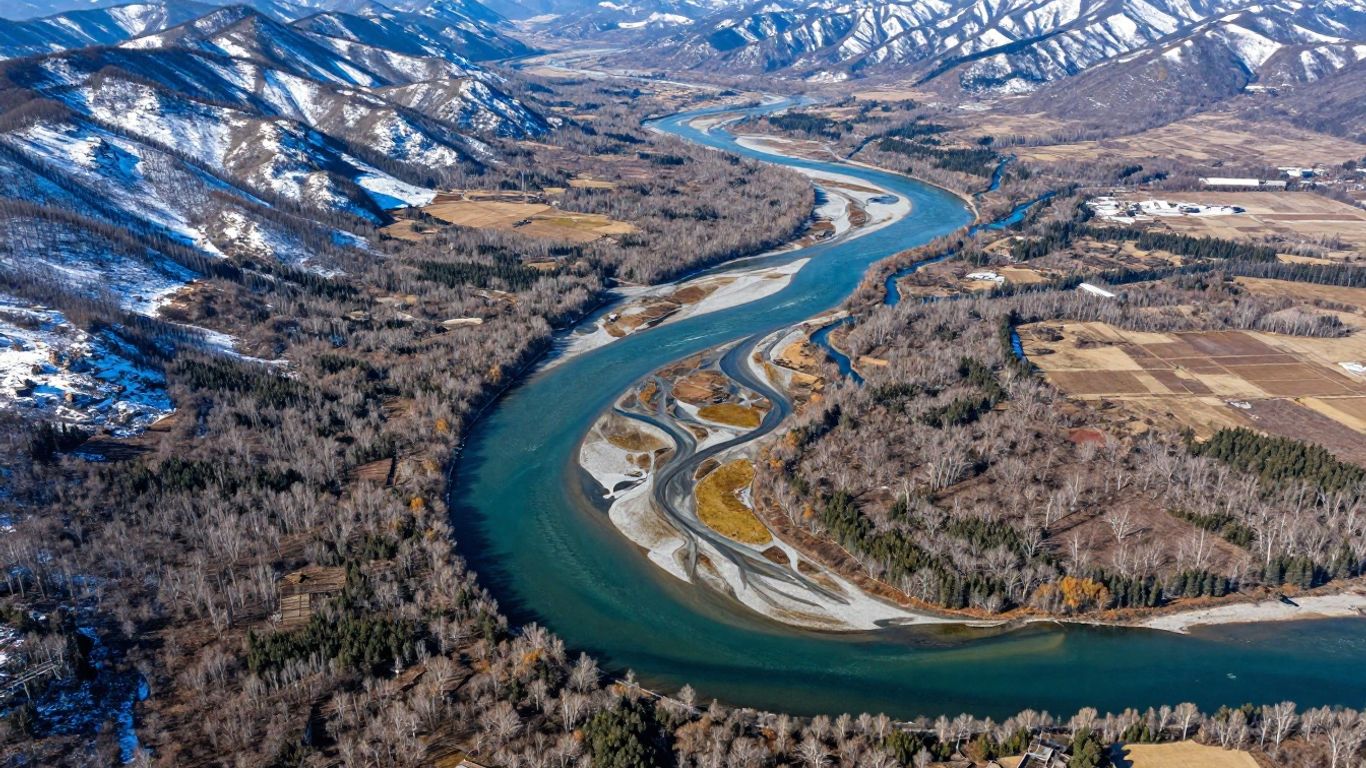
At its core, a watershed serves as the primary vessel for all liquid movement across a landscape. Every point on Earth exists within an interconnected drainage basin, meaning the water shed from high terrain consistently finds its way to a lower point identified by the drainage outlet. To understand the fundamental concept of a watershed, one must view the environment as an array of collection zones rather than isolated streams or ponds.
Defining the geographic boundaries and drainage basins
Watersheds are defined by natural elevation changes that delineate where precipitation will eventually travel. When geographers map these areas, they identify high-altitude borders that prevent water from flowing into neighboring systems, creating discrete drainage areas that function as singular units. These boundaries determine the scope of stewardship required to maintain clean water flow throughout the system.
The role of gravity in directional water movement
Gravity acts as the constant force pulling water down the landscape, ensuring that all moisture finds a consistent destination. As water hits the surface, it follows the path of least resistance toward the lowest point, forming small rills that merge into streams and rivers. This constant downward pull turns a land mass into a productive drainage network that feeds into larger water bodies.
Distinguishing between surface runoff and groundwater pathways
Water moves through these basins via two primary distinct routes that dictate how contaminants are processed. Surface runoff occurs when water flows rapidly over the ground, while groundwater pathways involve deep percolation into soil layers. The table below illustrates the characteristics of these two critical transport mechanisms.
These paths ensure that the basin effectively distributes water, though the quality of that supply depends heavily on the permeability of the terrain.
How physical topography shapes a watershed
Physical geography dictates the intensity and volume of water passing through any given region. Because the shape of the land determines how water accumulates, variations in slopes and ridges create entirely unique behaviors for every local stream system. Understanding the physical layout is necessary for anyone analyzing watershed sustainability.
The impact of ridge lines and topographic divides
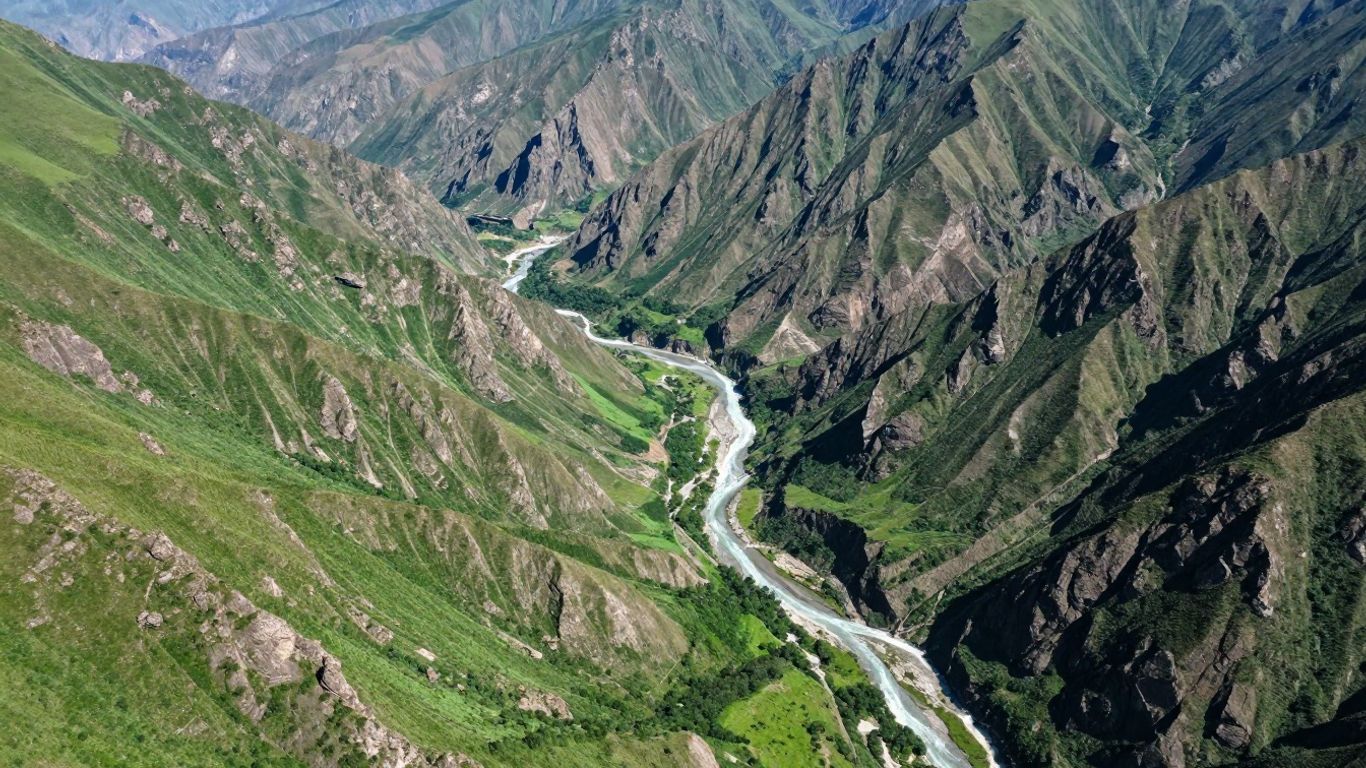
Ridge lines act as the literal ceilings of a watershed, forcing every raindrop to choose one side or the other. These elevated divides serve as the primary separators between competing drainage systems, ensuring that moisture is eventually funneled into its designated basin terminal.
Elevation gradients and their effect on flow velocity
Steep elevation changes accelerate water movement, creating high-energy environments that can carve deep channels into valleys. Conversely, flatter terrain allows water to pool and move slowly, which helps sediment settle and regulates the pulse of the river system over time.
Soil composition and terrain permeability characteristics
Soil acts as the ultimate filter for any liquid falling from the sky, its texture determining whether water seeps into underlying aquifers or rushes toward a stream. When soil is compacted or rocky, it loses its ability to absorb rainfall, leading to localized flooding that can disrupt the natural flow trajectory.
Components of the hydrological cycle within a basin
The basin acts as a capture point for the broader movement of water through the atmosphere, land, and subsurface. Every element of this system relies on a delicate mass balance, where inputs like rainfall must eventually be redirected through storage or consumption. For organizations aiming to manage these impacts, Breathe ESG offers precise sustainability data to measure environmental performance at scale.
Precipitation patterns and spatial distribution across the landscape
Weather events provide the initial input for the hydrological system, determining how much water enters the basin at any moment. Spatial distribution varies depending on vegetation cover and elevation, ensuring that some zones within the basin receive significantly more recharge than others.
Evapotranspiration and the role of vegetation in water regulation
Plants and trees function as biological regulators, returning water to the atmosphere before it ever reaches a stream. By intercepting rainfall, vegetation prevents massive surges from reaching riverbeds, which keeps the flow within manageable limits through dry seasons.
Infiltration rates and the replenishment of the water table
Water that does not evaporate or run off must eventually sink into the earth to become stored groundwater. High infiltration rates are vital for sustaining long-term water availability, as they provide a storage buffer that keeps wells functional when surface rain becomes scarce.
Human impact on watershed health
Human activity often alters the natural rhythms of a drainage basin by modifying the land cover or water path. From residential construction to industrial farming, these changes can overwhelm the natural capacity of the land to filter and regulate water movement. When development is not managed properly, negative ecological outcomes often occur.
Urbanization and the challenge of impermeable surfaces
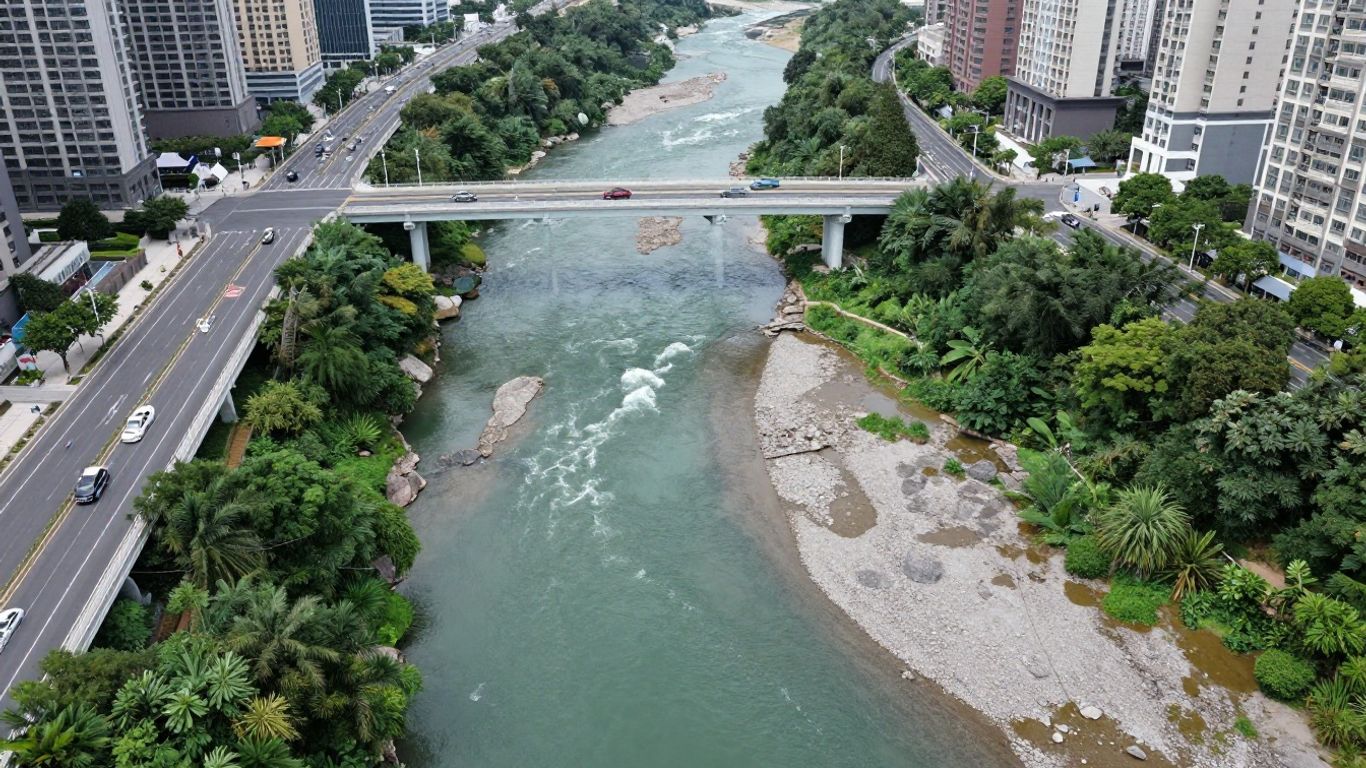
Cities introduce hardscape materials like asphalt and concrete that completely block natural water absorption. This effectively prevents the land from filtering surface pollutants, directing untreated runoff directly into the local aquatic systems during every storm event.
Agricultural runoff and the risks of nutrient loading
Many farming operations utilize fertilizers that, when combined with natural irrigation, flow into streams. This process, often called nutrient loading, creates an imbalance in the water, leading to issues like algae blooms that degrade the surrounding habitat for aquatic life.
Deforestation and the degradation of natural riparian buffers
Removing forests strips the land of its natural sponge, leaving the soil vulnerable to erosion and compaction. Riparian buffers are essential for catching pollutants, but their removal exposes rivers directly to the consequences of upstream land use.
The importance of watershed management
Active management of these drainage basins is non-negotiable for modern cities and rural industries alike. By treating the watershed as a single interconnected unit rather than as separate plots of property, communities can solve complex water problems before they arise. Many leaders look to Breathe Zero to help prioritize resource efficiency in their sustainability planning.
Protecting local drinking water security and quality
Securing water sources requires careful oversight of the entire area feeding into a reservoir or well. When sources are kept clean, the energy and cost required for human water treatment are minimized significantly.
Mitigating flood risks through landscape design
Flood mitigation is best achieved by mimicking the natural absorption capacity of an undisturbed forest. By restoring wetlands and keeping zones for infiltration, planners can reduce the peak flow levels that hit urban areas during heavy storms.
Enhancing ecosystem resilience against climate instability
When watersheds are healthy, they are capable of rebounding after extreme drought or heavy rain events. Organizations like Breathe ESG support this by helping internal teams manage environmental impacts effectively, which preserves the biological diversity that keeps these basins functional.
Monitoring and measuring watershed performance
Data-driven analysis is the best way to determine if a basin is healthy or falling into decline. Engineers and biologists utilize modern sensors to track real-time changes, providing the information needed for informed resource stewardship.
Stream gauging and real-time flow monitoring techniques
Stream gauges count the volume of moving water minute by minute, offering an immediate view of how the basin responds to changing weather. This data is critical for preparing infrastructure for high-flow events and protecting low-lying communities.
Water quality testing and identifying point-source pollution
Regular testing programs check for chemical, biological, and physical pollutants in the stream. By mapping these readings, environmental scientists can locate the specific points where pollutants enter the system, separating natural decay from human-induced contamination.
Modeling complex basin data with geospatial software
Advanced programs allow researchers to run simulations on large areas to predict how landscape changes might affect water flow. With the Watershed tool in spatial software, analysts can visualize where water will congregate and how specific terrain modifications will alter the entire local hydrological load.
Conclusion
Understanding how a watershed works transforms the landscape from a series of disjointed plots of land into a cohesive, living system that sustains all life. By applying careful management and informed scientific measurement, we can ensure these vital basins remain healthy and productive for generations.
Frequently Asked Questions
Why are watersheds important to understand?
Watersheds act as the primary connection between our land and our water supply, meaning their health directly impacts the quality of the water we drink and the stability of our local ecosystems.
Can human activity change a watershed's capacity?
Yes, building structures and clearing land removes the natural systems that filter and hold water, which often increases runoff speeds and raises the risk of localized flooding.
How does a watershed impact the ocean?
Because all land eventually drains into larger bodies, healthy river systems transport clean nutrients into coastal waters, while unhealthy watersheds discharge pollutants that can cause massive marine habitat damage.
Does size matter for a watershed?
All watersheds function the same way, but larger basins allow for more complex interactions and storage capacity, while smaller watersheds react very quickly to localized weather conditions like rainstorms.
What can I do to help a watershed?
Reducing the use of fertilizers, planting native vegetation to assist with soil absorption, and properly disposing of household chemicals significantly decreases the volume of pollution entering local drainage basins.
Is groundwater considered part of a watershed?
Groundwater is an essential component of the hydrological system within a basin, as it stores water beneath the surface and slowly releases it to help maintain consistent river levels during dry periods.
Are there ways to track watershed health?
Yes, local organizations often use sensors to monitor flow rates and water quality, which allows them to catch pollution issues or flood signatures early and respond with targeted restoration efforts.