
Explore the University of Waterloo's Sustainability Management Programs
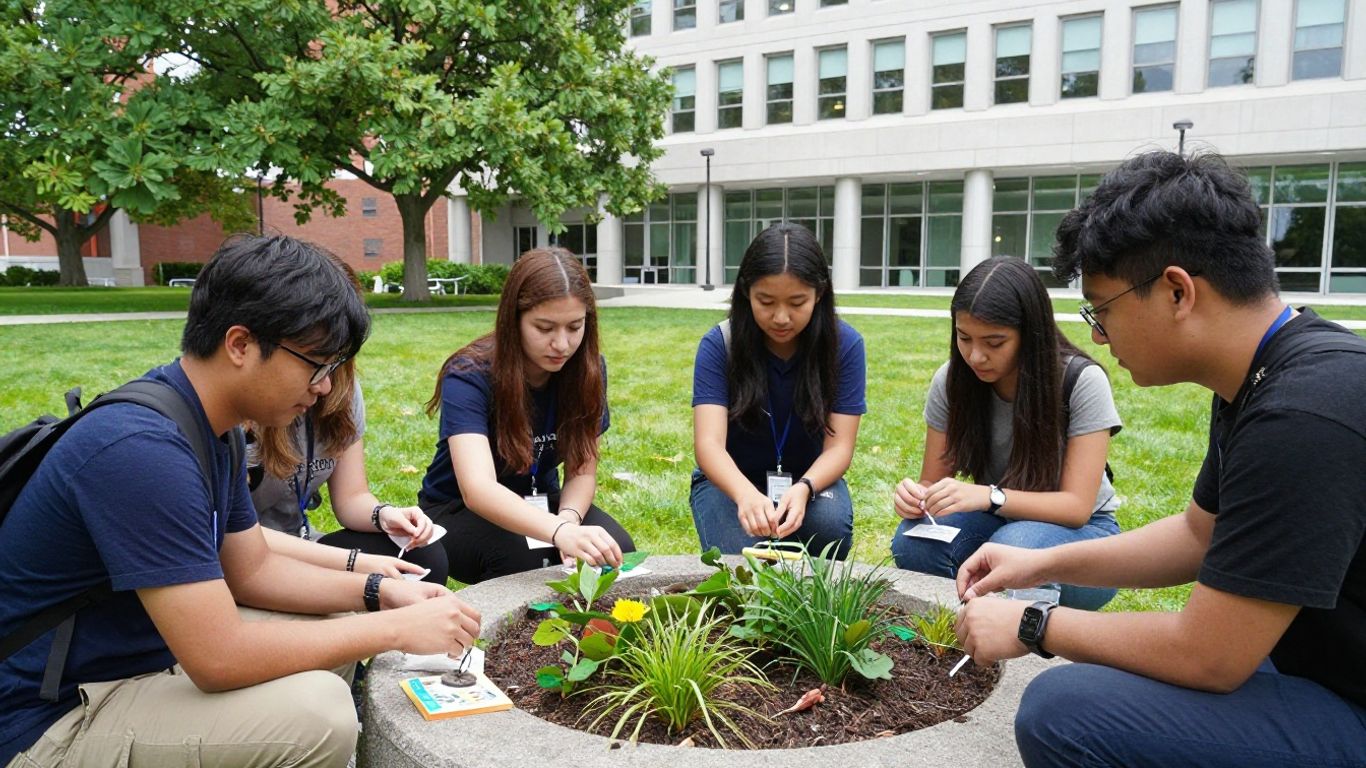
Waterloo offers a wide range of opportunities for students interested in sustainability. From academic programs to hands-on projects, here are some of the main things to remember:
Key Takeaways
- Waterloo has a strong global reputation for its environmental work and research.
- You can pursue sustainability studies at both undergraduate and graduate levels, including specialized master's and PhD programs.
- The university offers practical experience through co-op placements and student-led initiatives.
- There are many research opportunities focused on solving real-world environmental problems and advancing global goals.
- Waterloo is actively working to make its own campus more sustainable.
University of Waterloo's Commitment to Sustainability
The University of Waterloo isn't just talking about sustainability; they're living it. It's pretty clear they've put a lot of thought into how to make a real difference, not just on campus but out in the world too. They're serious about reducing their environmental impact.
It's not just a side project. You can see it in their goals, like aiming for a zero-waste campus by 2035 and becoming carbon neutral by 2050. They've even been recognized for their work, ranking high in Canada for things like remote sensing and environmental science. It’s kind of a big deal when you think about it.
Global Recognition for Environmental Impact
Waterloo is making waves globally. They're ranked among the top institutions worldwide for their efforts in areas like life on land and climate action. This isn't just about good grades; it means they're actively contributing to preserving ecosystems and tackling climate change. It’s pretty impressive to see a university take such a strong stance.
Leading Faculty in Environmental Studies
When it comes to environmental studies, Waterloo is a powerhouse. They host Canada's largest faculty dedicated to the environment. This means students and researchers have access to a huge range of knowledge and perspectives. It’s a place where you can really dig into environmental issues with some of the best minds around. They're also a founding institution for Sustainable Development Solutions Canada, which is part of a global network focused on practical solutions for sustainable development.
Campus-Wide Sustainability Initiatives
Sustainability isn't confined to a few buildings or departments here. It's woven into the fabric of campus life. From using eco-friendly cleaning supplies to setting ambitious targets for reducing carbon footprints in investments, the university is making changes everywhere. They even have a Sustainability Action Fund that supports projects proposed by students, staff, and faculty, showing that everyone can get involved in making the campus greener. You can check out their sustainability strategy to see all the details.
Explore Sustainability Management Programs
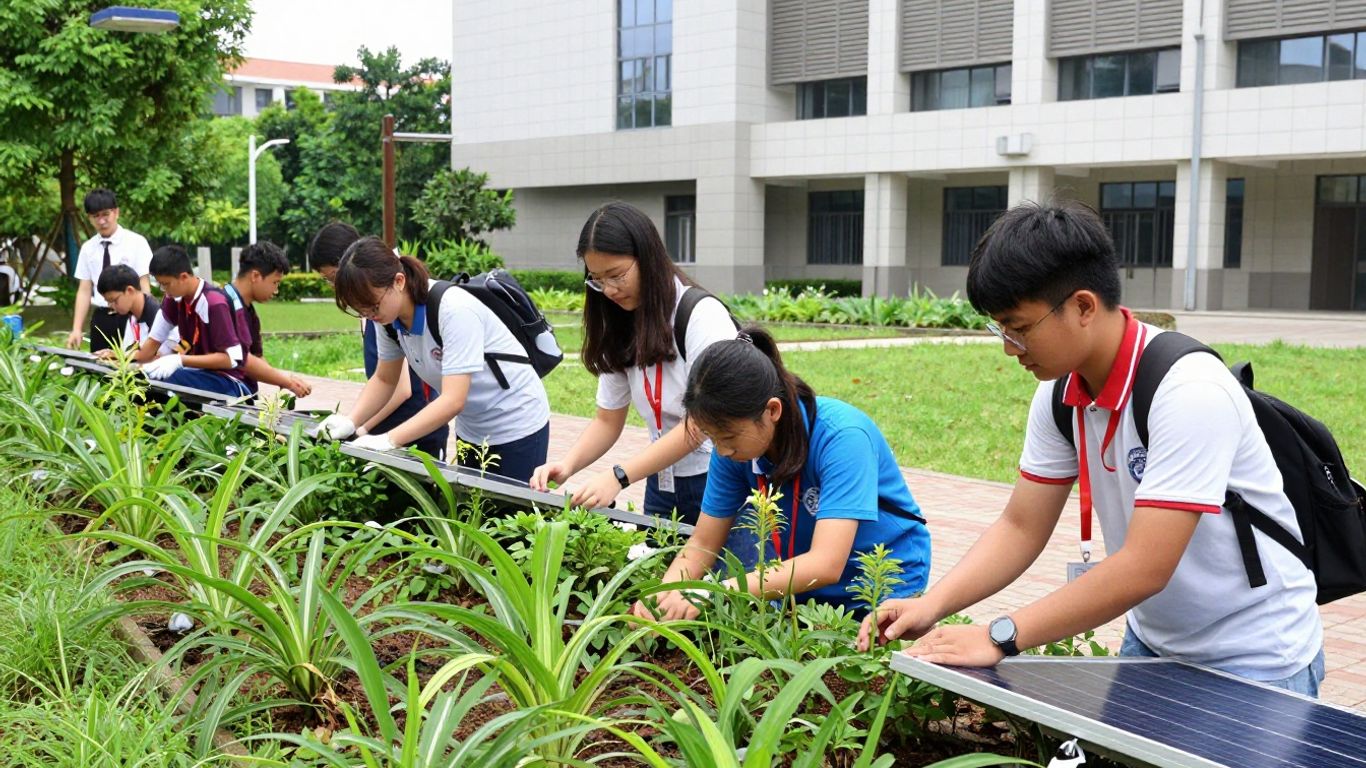
Thinking about a career where you can actually make a difference? The University of Waterloo has some seriously interesting graduate programs focused on sustainability management. These aren't just theoretical degrees; they're designed to equip you with the practical skills needed to tackle environmental challenges in the real world.
Master of Environmental Studies in Sustainability Management
This program is all about preparing future leaders for the sustainability field. You'll dive into research skills and management strategies that can be applied across businesses, government agencies, and non-profits. It’s a pretty interdisciplinary approach, pulling from various fields to give you a well-rounded perspective. You can choose between a coursework option, which is a quicker, one-year path with a project, or a thesis option that takes two years and involves more in-depth research. Graduates often find roles as consultants or program managers, putting their learned skills to work.
Master of Environment and Business
This program is a bit of a hybrid, specifically designed for those who see the intersection of business and environmental responsibility. It addresses the growing demand for professionals who understand both the financial side of things and the importance of sustainability. The goal is to create graduates who are confident in both finance and sustainability languages. It's a newer program, reflecting the shift in how companies view environmental, social, and governance (ESG) factors – they're no longer just an afterthought but a core part of business strategy. This program helps you understand how to measure and report on these factors, which is becoming increasingly important with new financial reporting standards emerging globally. You can explore environmental degrees that utilize natural and social sciences to tackle critical issues such as food security, ecosystem conservation, and restoration. These programs offer a comprehensive approach to understanding and addressing environmental challenges.
PhD in Social and Ecological Sustainability
For those looking to push the boundaries of sustainability research, the PhD program is the way to go. It focuses on understanding and working towards sustainability in our complex, ever-changing world. This is where you'd go if you want to contribute new knowledge and solutions to pressing environmental and social issues. It's a deep dive into the theoretical and practical aspects of creating a more sustainable future.
The transition to a sustainable future requires professionals who can bridge different disciplines. Waterloo's programs aim to provide that bridge, ensuring graduates are ready for the evolving demands of the job market and the planet.
Undergraduate Sustainability Education
Thinking about a career that makes a real difference? The University of Waterloo has some solid undergraduate programs designed to get you there. These aren't just general environmental science degrees; they're focused on preparing you for the practical challenges of sustainability management and business.
Bachelor of Environmental Studies in Environment and Business
This program is pretty unique. It blends environmental knowledge with business acumen, so you're not just learning about problems, but how to solve them within a corporate or organizational structure. You'll cover topics like environmental policy, economics, and management, all with an eye toward sustainable practices. It’s a great way to prepare for roles where you can influence business decisions for the better. It's about making sustainability a core part of how businesses operate.
Environmental Engineering Programs
If you're more hands-on and love tackling technical challenges, Waterloo's environmental engineering programs are worth a look. These programs focus on the science and engineering behind environmental protection and resource management. Think water treatment, waste management, and pollution control. You’ll get a strong foundation in engineering principles applied to real-world environmental issues. This is where you learn to design and build solutions for a cleaner planet.
Geography and Environmental Management
This stream looks at the bigger picture, examining the relationship between people and their environment. You'll explore how geographic factors influence environmental issues and how we can manage resources more effectively. It covers everything from land use planning to conservation strategies. It’s a broad field that can lead to many different career paths, from policy analysis to environmental consulting. You'll gain a solid understanding of environmental systems and how human activities impact them.
These programs are designed to give you the tools and knowledge to address complex environmental challenges. You'll learn to think critically about sustainability issues and develop practical solutions. The university really emphasizes connecting classroom learning with real-world application, which is pretty cool.
Here's a quick look at what you might focus on:
- Environment and Business: Corporate social responsibility, sustainable supply chains, environmental accounting.
- Environmental Engineering: Water resource management, air quality control, renewable energy systems, waste-to-energy technologies.
- Geography and Environmental Management: Ecosystem assessment, climate change adaptation, urban sustainability, conservation planning.
Many students in these programs also take advantage of co-op opportunities, which are a fantastic way to get practical experience before you even graduate. It’s a chance to see what you’ve learned in action and build your professional network. You can even look into certifications like the EP®(GHG) Professional Certification to further specialize your skills.
Experiential Learning and Community Engagement
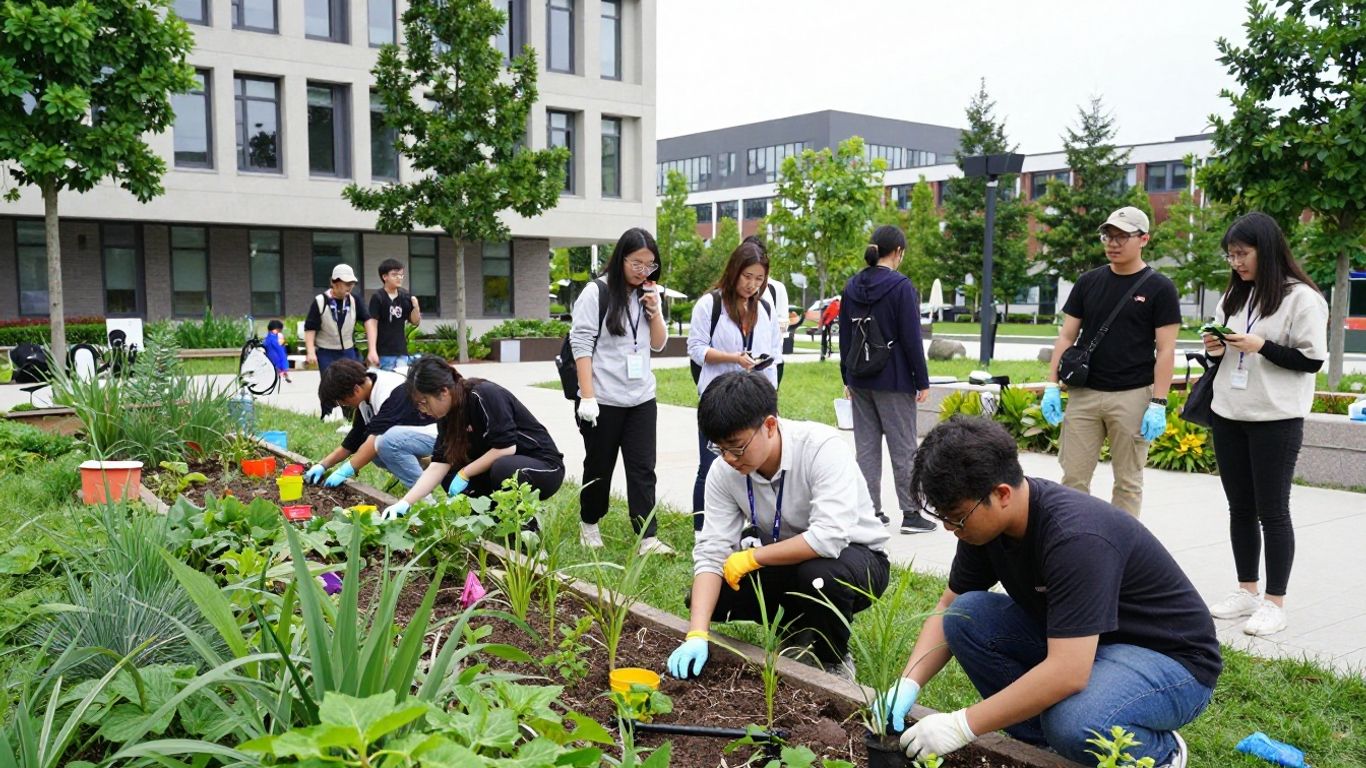
At the University of Waterloo, hands-on experiences are a big part of how students get involved with sustainability. These real-world activities go far beyond the classroom, giving students the support and time to test what they’re learning in practical, sometimes unpredictable situations. From day one, students are encouraged to step out of their comfort zones and link up with people who share a common interest in the environment.
Co-op Opportunities in Sustainability
Waterloo’s co-op program is known for bringing together classroom training and immediate, paid career experience. Here, you can work in roles like aquatic research technician, industrial wastewater engineer, or species-at-risk research assistant. Many positions are out in the field, some involve working with local governments, while others are more scientific, like analyzing water samples or supporting engineering projects.
Typical Sustainability Co-op Positions
Co-op terms often lead to full-time employment and help graduates to build networks even before they finish school.
Student Sustainability Clubs and Initiatives
Across campus, there’s a variety of student groups focused on sustainability. These clubs run projects and events that address environmental problems locally and globally. Here’s what you might find:
- Campus Compost, reducing food waste through student-run composting
- Alternative Fuels Team, creating and testing new clean energy solutions
- Society for Ecological Restoration, working on habitat restoration projects
It’s not just formal clubs either. You’ll see plenty of one-off collaborations, awareness campaigns, and even workshops run by students looking to make a difference. All of this leads to a stronger sense of community and more creative solutions.
When students connect with others through these groups, they often discover skills and interests they didn’t know they had. Sometimes, this even shapes their future career paths.
Sustainability Action Fund
Waterloo’s Sustainability Action Fund supports projects that push the campus or community toward greener, more responsible ways of living. Clubs, individuals, and staff can apply for funding to kickstart new ideas or scale up existing projects.
Ways the fund has been used:
- Launching campus-wide zero waste campaigns
- Installing new bike racks and supporting bike share programs
- Running workshops on green technology
Support from the fund helps move initiatives from sketchpad to real impact. It’s a big deal for those wanting to try something new but who might lack the resources or money to get started.
Sometimes these projects link up with bigger efforts in the region—connecting to corporate responsibility work (impactful corporate responsibility programs) that ripple outward, benefiting the wider community as well.
Specialized Graduate Studies in Sustainability
Graduate Diploma in Climate Risk Management
For those already in the workforce, the University of Waterloo offers a Graduate Diploma in Climate Risk Management. This program is designed for early to mid-career professionals who need to weave climate risk considerations into their daily jobs. It's a part-time, fully online setup, which is pretty convenient if you're juggling work and studies. The focus here is really on practical skills, giving you the tools to assess and manage climate-related risks effectively. It's a smart move for anyone looking to stay ahead in a world increasingly shaped by environmental changes.
Research Opportunities in Sustainability
Waterloo is a hub for sustainability research, and graduate students get to be right in the middle of it. The School of Environment, Resources and Sustainability (SERS) is dedicated to tackling some of the planet's biggest environmental challenges. Students can pursue a PhD in Social and Ecological Sustainability, digging deep into complex issues and contributing to new solutions. This isn't just about academic work; it's about making a real impact. You'll find opportunities to work on projects that align with global goals, like advancing the UN Sustainable Development Goals. If you're passionate about environmental studies, you might find a good fit here at SERS.
The university encourages interdisciplinary approaches, bringing together insights from various fields to address sustainability in a holistic way. This means you're not just studying one aspect; you're looking at the bigger picture, connecting environmental science with social, economic, and policy dimensions.
Here are some areas where graduate students often focus:
- Climate Change Adaptation and Mitigation: Developing strategies to cope with climate impacts and reduce greenhouse gas emissions.
- Resource Management: Exploring sustainable ways to use and conserve natural resources like water, forests, and minerals.
- Environmental Policy and Governance: Analyzing how policies are made and implemented to protect the environment.
- Sustainable Development: Investigating pathways for economic growth that don't harm the environment or society.
These research avenues provide a solid foundation for careers in environmental consulting, policy analysis, conservation, and various roles within government and non-profit organizations. The university also has strong connections with organizations working on sustainability solutions, offering further avenues for collaboration and impact. Prospective students can explore the Master of Environmental Studies program for more details on research specializations.
Innovative Sustainability Research and Practice
Advancing UN Sustainable Development Goals
The University of Waterloo is actively involved in pushing forward the United Nations Sustainable Development Goals (SDGs). This isn't just about talking; it's about doing. Researchers and students here are tackling real-world problems that align with these global targets. Think about projects focused on clean water and sanitation, or initiatives aimed at creating sustainable cities and communities. It’s a practical approach to making a difference on a global scale.
Founding Institution for Sustainable Development Solutions Canada
Waterloo is a founding institution of Sustainable Development Solutions Canada (SDSC). This collaboration brings together universities and experts from across the country to find practical solutions for sustainable development. It’s a network designed to share knowledge and drive innovation. The university plays a key role in this national effort, contributing its research and academic strengths to help Canada meet its sustainability challenges. This partnership is a big deal for advancing sustainability in the country.
Focus on Sustainable Finance
There's a growing recognition that finance plays a huge role in sustainability. Waterloo is exploring this connection through its programs and research. This includes looking at how investments can be directed towards environmentally friendly projects and how businesses can integrate sustainability into their financial strategies. It’s about making money work for a better planet. The Master of Environment and Business program, for instance, helps students understand how to embed sustainability within business practices, guided by faculty with significant industry expertise.
Explore the cutting edge of green solutions and real-world applications in our "Innovative Sustainability Research and Practice" section. Discover how companies are making a difference and find inspiration for your own journey. Ready to learn more about creating a sustainable future? Visit our website today!
Conclusion
The University of Waterloo is a powerhouse when it comes to sustainability. Whether you're looking to get a degree, conduct research, or get involved on campus, there are tons of ways to make a difference. Their programs are designed to prepare you for a future where understanding environmental challenges and business needs go hand-in-hand. It's clear that Waterloo is serious about creating a greener future, and they invite you to be a part of it.
Frequently Asked Questions
What kind of sustainability programs does the University of Waterloo have?
Waterloo has a lot of programs related to the environment. You can find degrees in areas like sustainability management, environment and business, and even environmental engineering. They also have graduate programs and diplomas for more specific studies.
Are there ways to get hands-on experience with sustainability at Waterloo?
Yes! They have a great co-op program where you can get paid jobs related to sustainability before you even graduate. Plus, there are lots of student clubs focused on environmental projects.
Does Waterloo do research on sustainability?
Absolutely. Many professors there are involved in research that helps meet the UN's Sustainable Development Goals. They look into topics like climate change, clean energy, and protecting nature.
Is the university itself trying to be more sustainable?
Definitely. Waterloo has set goals to become a zero-waste campus and carbon neutral. They also use eco-friendly cleaning supplies and are working to reduce the carbon impact of their investments.
What's the difference between the Master of Environmental Studies and Master of Environment and Business?
The Master of Environmental Studies in Sustainability Management focuses more on research skills and strategies for managing sustainability in different organizations. The Master of Environment and Business is more about combining business knowledge with environmental issues.
Can I study sustainability even if I'm not in an environmental program?
Yes, many programs allow you to take sustainability-focused courses or have specializations. For example, their Bachelor of Environmental Studies in Environment and Business blends environmental topics with finance and management.