
Explore the Importance of Watersheds in New York: A Comprehensive Guide
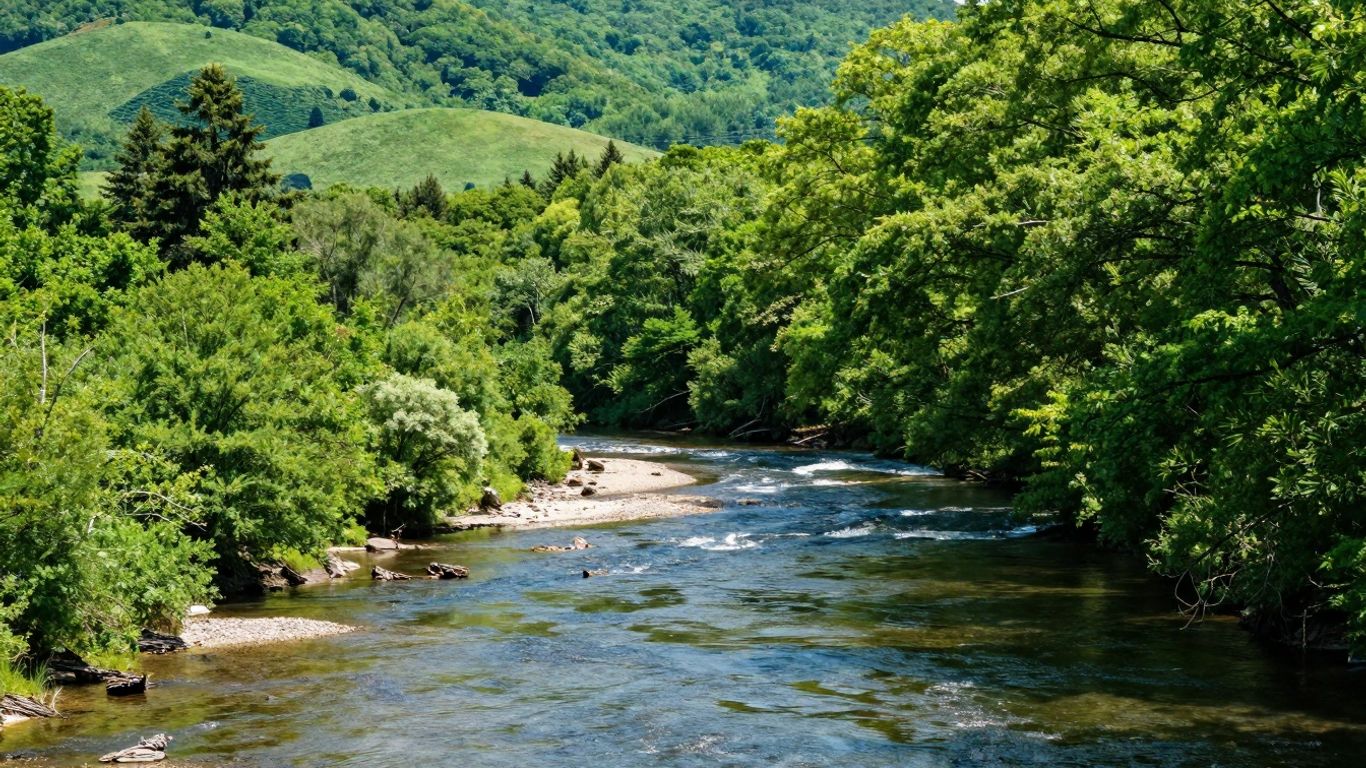
Hey everyone! Today, we're going to chat about something super important for New York: the watershed. You know, that area of land where all the water drains into a common place, like a river or a lake. For us city folks, it's especially critical because it's where our drinking water comes from. It’s a big system, and understanding it helps us appreciate the clean water we often take for granted. Let's dive into why this whole watershed ny thing matters so much.
Key Takeaways
- The NYC watershed is a huge area that provides drinking water for millions of people.
- Forests play a big role in keeping our water clean by acting like natural filters.
- There are lots of ways to learn about and explore the watershed, from online maps to virtual tours.
- Protecting the watershed involves community efforts and smart ways to handle storm water.
- Keeping an eye on water quality and using water wisely helps everyone in the long run.
Understanding the NYC Watershed
What is a Watershed?
Think of a watershed as a giant, natural basin that collects and drains rainwater and snowmelt. It's all the land where water that falls on it eventually flows to a common point, like a river, lake, or, in our case, a reservoir. Every drop of rain that falls in the NYC watershed eventually makes its way to our taps. It's a pretty amazing system, really. The land itself acts like a giant funnel, guiding water through streams and rivers. The size of a watershed can vary a lot, from a small area around a local creek to a massive region like the one that supplies New York City with its drinking water. Understanding these boundaries is key to understanding how water moves and how we can protect it.
The NYC Water Supply System Explained
New York City has a pretty unique setup when it comes to drinking water. Instead of relying heavily on water treatment plants, we get most of our water from a vast system of reservoirs and lakes located upstate, about 125 miles away. This system, known as the Catskill/Delaware watershed, covers about 2,000 square miles. It's a huge area, mostly made up of forests and farms. The water travels to the city mostly by gravity, through a series of aqueducts and tunnels. This natural filtration through forests and soil means the water is already pretty clean by the time it reaches the city. We do have some treatment, like disinfection, but it's less intensive than in many other big cities. It's a system that's been in place for a long time, and it's a testament to the quality of the upstate environment.
Here's a quick look at the main components:
- Catskill System: This is the largest part, with 5 reservoirs. It's located west of the Hudson River.
- Delaware System: This system has 3 reservoirs and is also west of the Hudson River.
- Croton System: This is the oldest and closest system to the city, with 12 reservoirs and lakes.
- Aqueducts: These are massive underground tunnels that carry the water from the reservoirs to the city.
Journey Through the NYC Watershed
Imagine starting your journey way upstate, where the air is crisp and the landscape is dotted with trees and rolling hills. This is where our water's adventure begins. Rain and snowmelt collect in the forests and fields, slowly making their way into small streams. These streams then merge into larger rivers, flowing into the big reservoirs like Pepacton, Neversink, and Ashokan. It's a slow, natural process. From these reservoirs, the water enters enormous aqueducts, some of the biggest tunnels ever built, which carry it downhill towards the city. Along the way, it passes through settling basins and gets disinfected, but the heavy lifting of filtration is done by the natural landscape. The entire trip from the upstate watershed to your faucet can take anywhere from a few hours to a few days. It’s a remarkable feat of nature and engineering working together to bring us clean drinking water every single day.
The Vital Role of Forests in Watershed Health
Forests as Natural Water Filters
Think of forests as giant, living sponges for our water. The trees, their roots, and the forest floor all work together to clean and hold water. When rain falls, it doesn't just rush off; instead, it gets absorbed by the soil, which is kept healthy and porous by the forest ecosystem. This process naturally filters out impurities, making the water cleaner before it even reaches our streams and reservoirs. It's a simple, yet incredibly effective, natural system. The leaves and needles on the ground break down, creating a rich layer that traps sediment and pollutants. This means less gunk ends up in the water we drink.
Forest Ecology and Management in the Watershed
Keeping our forests healthy is key to a healthy watershed. This involves understanding how the forest works as a whole – from the smallest microbes in the soil to the tallest trees. It's about managing these areas so they can continue to do their job of filtering water. This can include things like making sure there aren't too many trees cut down at once, or planning where roads are built so they don't cause erosion. It's a balancing act, really. We need to use forest resources, but we also need to make sure the forest can keep our water clean.
Here’s a quick look at what goes into good forest management for water:
- Tree Cover: Maintaining a good amount of trees across the watershed.
- Soil Health: Protecting the forest floor and soil from compaction and erosion.
- Biodiversity: Having a variety of plants and animals helps the forest ecosystem stay strong.
- Sustainable Harvesting: If trees are harvested, doing it in a way that minimizes impact on water quality.
Managing forests isn't just about trees; it's about the entire system that supports clean water. It requires careful planning and a long-term view.
The Connection Between Forests and Clean Water
It's pretty straightforward when you think about it: healthy forests mean cleaner water. The more trees we have, and the healthier they are, the better the watershed can filter and store water. This connection is so important that protecting forests is one of the main ways New York City ensures its tap water is clean without needing expensive filtration plants. It's a natural solution that benefits everyone. The forest canopy intercepts rainfall, slowing it down and reducing its impact on the ground, which in turn lessens soil erosion. The roots of trees help bind the soil together, preventing it from washing into streams. So, when you see a healthy forest, you're looking at a vital part of your clean water supply.
Exploring Watershed Resources and Education
So, you're curious about the NYC watershed and want to learn more? That's awesome! Luckily, there are tons of ways to get involved and understand this amazing system better, even from your own home. It’s not just about dusty textbooks; there are some really cool tools out there.
Virtual Tours of the NYC Watershed
Imagine exploring the vast upstate reservoirs and forests without leaving your couch. Several organizations offer virtual tours that let you see the landscapes that provide New York City with its water. These tours often highlight the natural beauty and the importance of protecting these areas. It’s a great way to get a feel for the scale of the watershed and the different environments within it. You can often find these through the NYC Department of Environmental Protection's education pages.
Educational Maps and Story Maps
Maps are super useful, and when they tell a story, they become even better. You can find interactive maps that show you the boundaries of the watershed, where the reservoirs are, and how water flows. Some even use a "story map" format, guiding you through different aspects of the watershed, like its history, ecology, or the challenges it faces. These visual tools make complex information much easier to grasp. For instance, you can use tools like USGS WaterWatch to see real-time stream flow data, giving you a snapshot of what's happening in the watershed right now.
Interactive Tools for Watershed Exploration
Beyond maps, there are a bunch of interactive websites and tools designed to help you understand watershed concepts. Ever wondered how your daily activities impact water? Tools like the "Water Footprint Calculator" can give you an idea. Others let you simulate how different land types affect water runoff, or even trace the path of a raindrop from where it falls to the ocean. It’s a hands-on way to learn about things like water quality and conservation. If you're an educator looking for structured activities, the Watershed Forestry Institute for Teachers offers great professional development and resources.
Understanding how watersheds work is key to appreciating why they need our protection. These resources make that learning process engaging and accessible for everyone, from students to curious adults.
Stewardship and Protection of the Watershed
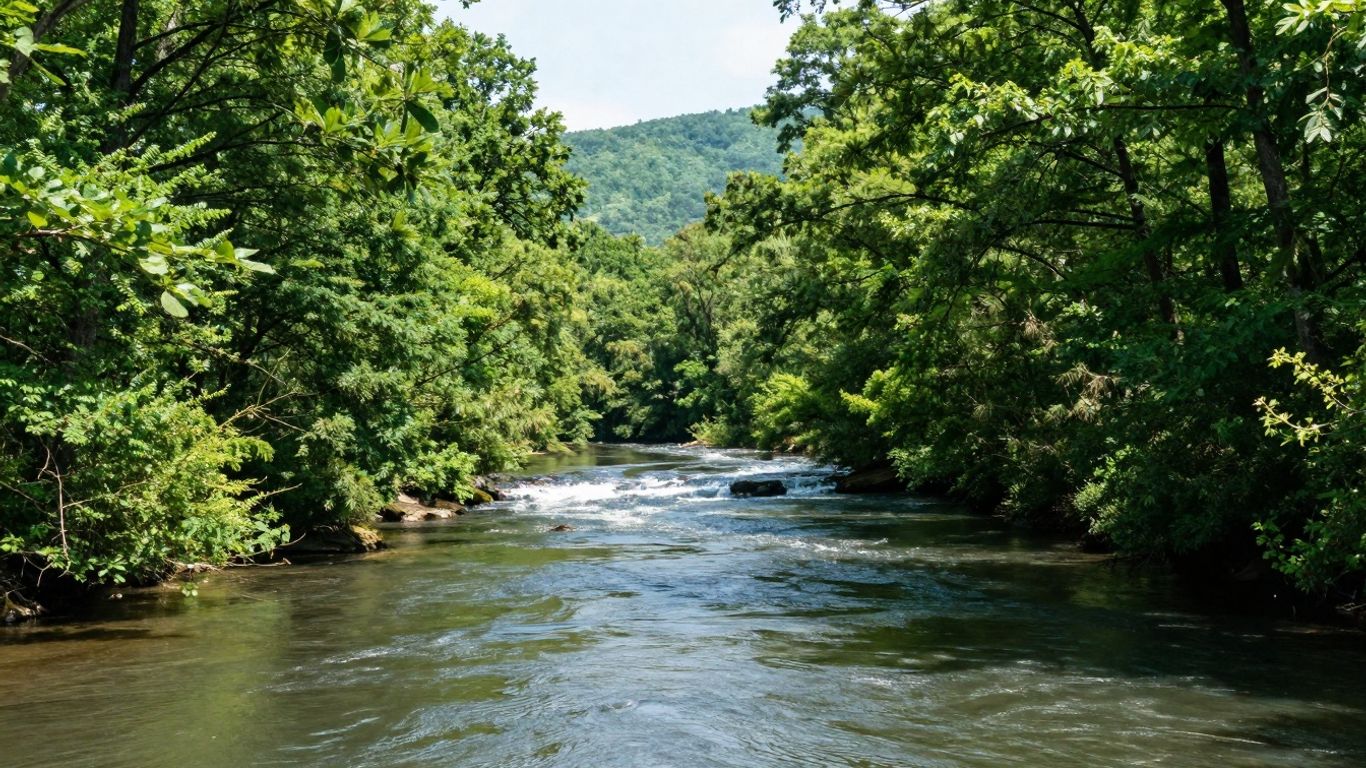
Taking care of the NYC watershed isn't just about protecting trees and streams; it's about making sure millions of people have clean water to drink. This involves a lot of different efforts, from big programs to what we can do right in our own backyards. Active stewardship is key to maintaining the health of this massive natural resource.
NYC Watershed Stewardship Initiatives
There are many organized efforts aimed at keeping the watershed healthy. These programs often work with landowners, farmers, and forest owners to implement practices that reduce pollution and protect water quality. Think of it as a community-wide effort to be good neighbors to our water sources. Some initiatives focus on:
- Working with farms: Programs help farmers manage manure and prevent runoff from fields, which can carry pollutants into streams.
- Forest management: Encouraging responsible timber harvesting and protecting forest health helps keep water clean and supports local economies.
- Land acquisition: In some cases, buying sensitive land can prevent development that might harm water quality.
Green Infrastructure and Storm Water Management
When it's raining, especially in more developed areas, water can pick up all sorts of gunk from streets and roofs. Green infrastructure uses natural systems to manage this storm water. Instead of just letting it all rush into drains, we can use things like:
- Rain gardens: These are planted areas that soak up rainwater.
- Permeable pavements: Surfaces that let water seep through instead of running off.
- Green roofs: Rooftops covered with plants that absorb rain.
These methods help filter water and reduce the amount of polluted runoff entering our waterways. It's a smart way to work with nature to handle heavy rains.
Community Involvement in Water Protection
Ultimately, the health of the watershed depends on people. When communities get involved, it makes a big difference. This can mean:
- Volunteering for cleanups: Helping to pick up trash along rivers and streams.
- Educating neighbors: Sharing information about why protecting the watershed matters.
- Participating in local planning: Making sure new developments consider water quality impacts.
Protecting our water supply is a shared responsibility. It requires ongoing effort from individuals, communities, and government agencies working together. By understanding the challenges and supporting protection efforts, we all contribute to a healthier watershed and a more secure water future for New York City and the surrounding regions. This collaborative approach is what makes the system resilient.
Even small actions, when done by many, add up. It's about being mindful of how our actions on the land affect the water we rely on every day. This stewardship is a continuous process, not a one-time fix.
Water Quality and Conservation in New York
Keeping the water flowing clean and safe to millions of New Yorkers is a big job, and it all starts upstate in the watershed. It’s not just about the pipes and treatment plants; it’s about what’s happening on the land where our water collects.
Monitoring Water Quality in Your Watershed
So, how do we know if the water is good? Well, the folks at NYC DEP are constantly checking things. They look at a whole bunch of stuff, from tiny bacteria to how clear the water is. This monitoring helps them catch problems early and figure out what’s causing them. It’s like a regular check-up for our water sources. They use fancy tools and take samples from reservoirs and streams. This data is super important for making sure the water meets all the rules and, more importantly, stays healthy for us to drink. They even have models that help them predict what might happen to water quality down the road, especially with things like changing weather patterns.
Understanding Water Use and Conservation
We all use water every day, often without thinking about it. But where does it all come from, and how much are we actually using? Understanding our water footprint is the first step to using less. Simple things, like fixing leaky faucets or taking shorter showers, really add up. It’s not just about saving money on your water bill; it’s about making sure there’s enough water for everyone, now and in the future. Think about it: the water you use today might have traveled hundreds of miles from an upstate reservoir. Being mindful of our usage helps protect those sources.
The Impact of Land Use on Water Quality
What happens on the land directly affects the water in our reservoirs. Forests, farms, and developed areas all play a role. When it rains, water flows over the land, picking up whatever is there. If there’s a lot of pavement, for example, rain can wash pollutants like oil and salt into streams. Forests, on the other hand, act like a natural sponge, filtering water and slowing down runoff. That’s why protecting the land in the watershed is so important. The city has actually been buying up land to keep it undeveloped, which is a pretty smart move for long-term water quality protection land purchase.
The health of our drinking water is directly tied to the health of the lands and forests in the watershed. Protecting these areas means protecting our water supply for generations to come.
Here are a few things that can affect water quality:
- Agriculture: Runoff from farms can carry fertilizers and animal waste into waterways.
- Development: New buildings and roads can increase stormwater runoff, carrying pollutants.
- Forests: Healthy forests filter water naturally, reducing sediment and pollutants.
- Septic Systems: Leaking or failing septic systems can introduce bacteria and nutrients into groundwater and surface water.
It’s a complex system, but by paying attention to how we use the land and how we use water, we can all help keep New York’s drinking water clean and plentiful.
Careers and Opportunities in Watershed Management
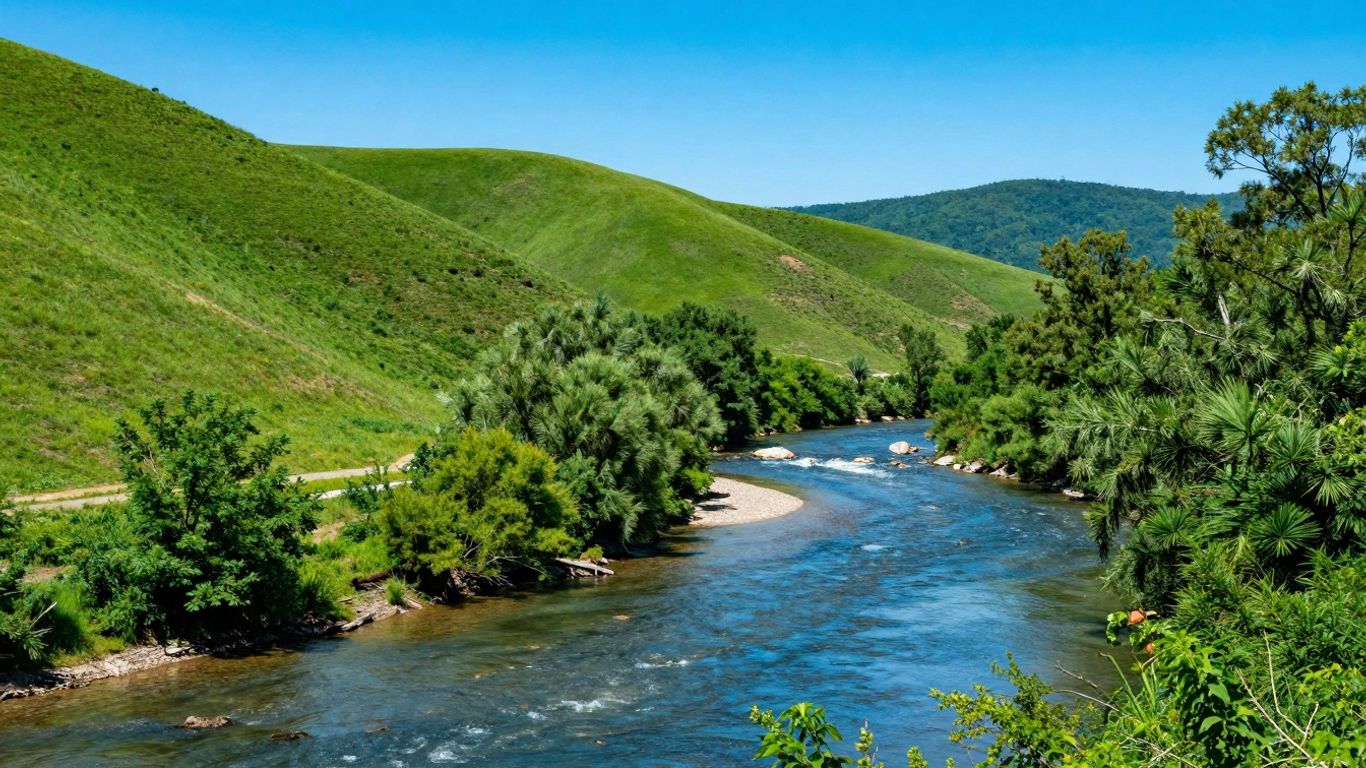
Thinking about a job that makes a real difference? Watershed management might be for you. It's all about protecting our water, which, let's be honest, is pretty important.
Exploring Watershed Careers
There are a bunch of different jobs you can do in this field. You could be a scientist studying water quality, an engineer designing ways to manage storm water, or an educator teaching people about why watersheds matter. Some folks work for government agencies, others for non-profits, and some even in private consulting. The work is varied, and you get to be outdoors a lot, which is a big plus for many. You might find yourself monitoring streams, analyzing data, or working with landowners to help them protect their part of the watershed. It's a field that's always looking for smart, dedicated people.
Educational Programs and Field Trips
Getting into watershed management often starts with education. Many colleges offer degrees in environmental science, ecology, or civil engineering with a focus on water resources. But it's not just about degrees. There are tons of programs out there for all ages. For younger kids, things like Project Learning Tree and Project WET offer fun activities to learn about water. For older students and adults, the EPA's Watershed Academy has online training modules that cover everything from watershed ecology to management practices. You can even find virtual tours and interactive maps online to get a feel for what these places look like and the challenges they face.
Funding Sources for Watershed Projects
Doing good work in watershed management costs money, of course. Luckily, there are various ways to get funding. Government grants are a big one, from federal agencies like the EPA and state departments like the New York State Department of Environmental Conservation. There are also private foundations that support environmental work. Sometimes, local municipalities or water utilities will fund projects within their service areas. For landowners, programs like the Watershed Agricultural Program can provide support and incentives for adopting practices that protect water quality. It takes a mix of public and private money to keep these important projects going.
Protecting our water isn't just a job for a few specialists; it's a community effort. Whether you're a student learning the basics or a professional managing a complex system, there are ways to get involved and contribute to healthier watersheds for everyone.
Interested in a career that helps protect our planet's water? The field of watershed management offers exciting paths to make a real difference. You can help keep our rivers, lakes, and streams healthy for everyone. Explore the possibilities and find a role where you can contribute to a cleaner future. Visit our website today to learn more about career opportunities in this vital area!
Wrapping It Up
So, we've talked a lot about watersheds in New York, and honestly, it's pretty amazing when you think about it. It's not just some abstract concept; it's how we get our water, clean and ready to drink, all the way from upstate mountains to our taps in the city. We saw how forests play a huge part, acting like natural filters, and how people are working to keep these areas healthy. It’s a big system, with a lot of moving parts, and understanding it helps us all appreciate where our water comes from and why taking care of these natural areas is so important for everyone in New York.
Frequently Asked Questions
What exactly is a watershed?
Think of a watershed as a giant, natural bowl that collects rainwater and snowmelt. All the water that falls within this bowl eventually flows to a common spot, like a river, lake, or even the ocean. It's like a drainage area for a whole region.
How does New York City get its drinking water?
New York City gets its amazing drinking water from a huge system of reservoirs and lakes located upstate, mostly in the Catskill and Delaware regions. This water travels through pipes and tunnels, mostly using gravity, all the way to your tap in the city.
Why are forests so important for our water?
Forests are like nature's super-filters! The trees and plants in a forest help clean the water as it soaks into the ground. Their roots hold the soil in place, preventing dirt from washing into our rivers and reservoirs, which keeps our drinking water cleaner.
What can I do to help protect the watershed?
You can help by being mindful of what you pour down the drain, properly disposing of trash, and reducing your use of harmful chemicals. Even small actions, like planting native plants in your yard, can make a big difference in keeping our water clean.
What is 'green infrastructure' and how does it help?
Green infrastructure uses natural systems, like rain gardens and permeable pavements, to manage rainwater. Instead of letting rain run off into storm drains, these features help absorb and filter the water, reducing pollution and preventing flooding.
Are there jobs related to managing watersheds?
Absolutely! There are many exciting careers in watershed management. People work as scientists, engineers, educators, park rangers, and conservationists, all focused on protecting and improving our water resources and the natural areas that support them.