
Explore Sustainability Engineering and Management at Linköping University
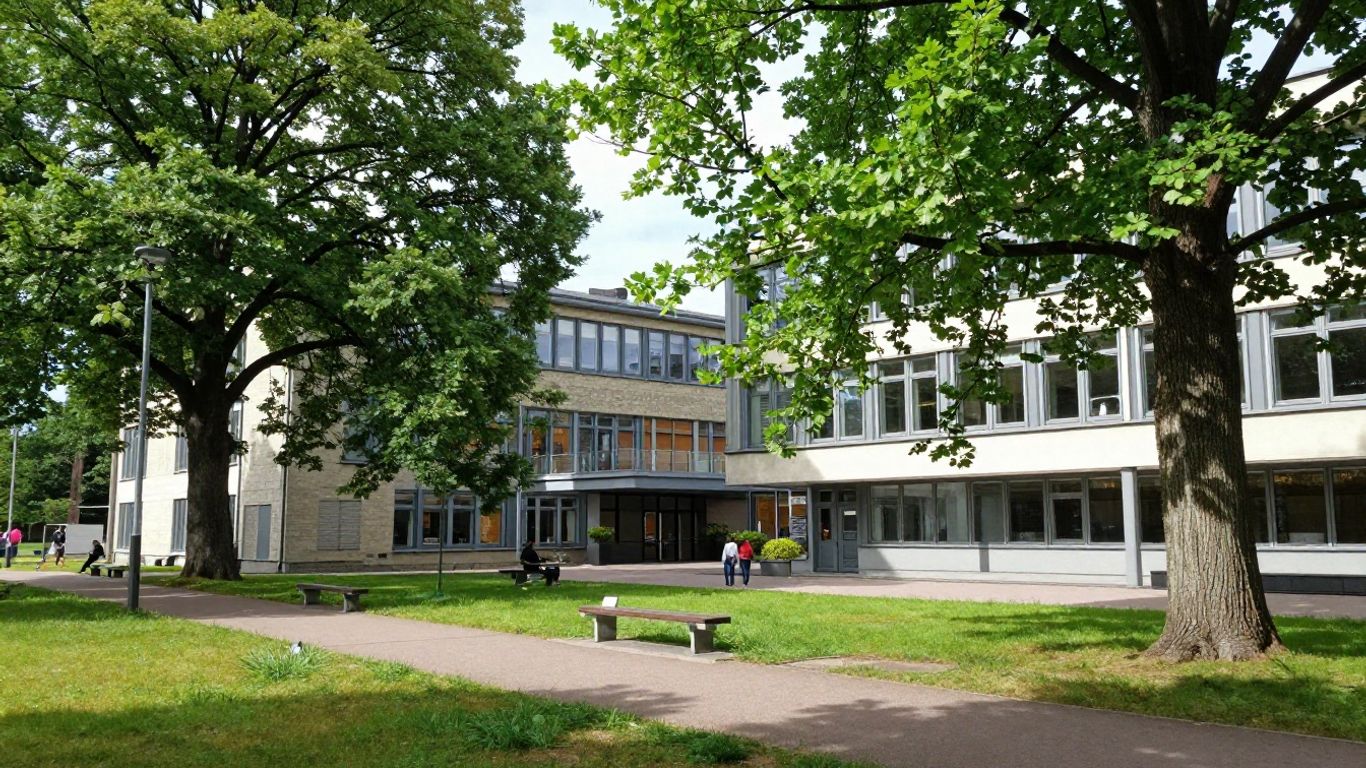
Thinking about how to make our planet a better place through engineering and smart management? Linköping University has a program that might just be what you're looking for. It's all about sustainability engineering and management, and it seems pretty interesting if you're into solving environmental problems with a practical, hands-on approach. They combine science, engineering, and a bit of business savvy to get things done. Let's take a look at what this sustainability engineering and management Linköping University program is all about.
Key Takeaways
- The program teaches you how to work with resource-efficient systems, products, and industrial processes.
- You'll learn to use a systems approach for engineering, with a big focus on sustainability.
- It combines science and engineering basics with specific knowledge in sustainability.
- Graduates are prepared to lead in research and engineering, and can work well in teams.
- The curriculum covers environmental and energy systems, resource efficiency, and innovation for sustainability.
Understanding Sustainability Engineering and Management at Linköping University
Program Overview and Objectives
Linköping University's Master of Science in Sustainability Engineering and Management is designed for students who want to tackle the big environmental challenges we face today. It's all about developing resource-efficient technical systems, products, and industrial processes. The program gives you a way to look at engineering problems using a broad, systems-based approach, with a real focus on sustainability. You'll learn to combine an interdisciplinary systems perspective with skills in modern environmental and energy engineering. This holistic and proactive way of thinking is pretty important for limiting and solving environmental issues. It's aimed at folks with a Bachelor's degree who are keen to build on their knowledge in energy and environmental engineering, preparing them for jobs in industry, business, research, and development labs.
Multidisciplinary Systems Approach
This program really emphasizes looking at problems from different angles. You won't just be studying one thing; you'll be connecting ideas from various fields. This means you'll be able to apply a multidisciplinary systems approach to engineering challenges. It's about understanding how different parts of a system interact and how changes in one area can affect others, especially when it comes to environmental impact. This way of thinking is key to developing effective solutions for complex issues like resource scarcity and pollution. You'll learn to see the bigger picture and how your engineering work fits into the broader societal and environmental context.
Foundations in Science and Engineering
To really get a handle on sustainability engineering, you need a solid base in science and engineering. This program makes sure you have that. You'll build strong foundations in mathematics and engineering sciences. Plus, you'll get comfortable using computer tools for modeling, analyzing, and visualizing engineering problems. This technical know-how is what allows you to really dig into the specifics of sustainability challenges. It's not just about knowing the concepts; it's about having the practical skills to apply them. This program is a good fit if you're looking to get into doctoral education within the Faculty of Science and Engineering or similar advanced studies.
Core Curriculum and Specialization
Introductory Courses in Environmental and Energy Systems
The program kicks off with foundational courses designed to give you a solid grounding in environmental and energy systems. Think of it as building the base for everything else. You'll get introduced to the big picture of how our planet's systems work and the challenges they face, alongside the basics of energy production and use. It’s not just theory, though; these initial courses often touch on traditional engineering subjects too, like how to manage projects and develop new products. This blend ensures you're not just learning about problems, but also starting to think about solutions from an engineering standpoint.
Advanced Concepts in Resource Efficiency
Moving beyond the basics, the next phase of your studies really digs into making things work better with less. You'll explore advanced ideas about how businesses and even whole societies can use materials and energy more efficiently. This isn't just about cutting waste; it's about smart design, better processes, and rethinking how we consume. The goal is to equip you with strategies for a more sustainable future, looking at everything from individual companies to larger industrial networks. It’s about finding smarter ways to do things.
Innovation and Entrepreneurship for Sustainability
This part of the program is where you learn to be a change-maker. You'll dive into how new ideas for sustainability are developed and brought to life. This includes understanding innovation management – how to nurture new concepts – and entrepreneurship, which is about turning those concepts into real-world applications, possibly even new businesses. The focus is on creating and implementing sustainability strategies that are not only good for the environment but also practical and viable. You'll learn to think creatively and act decisively to drive sustainable transitions. This is where the theoretical knowledge meets practical application, preparing you to lead in a world that desperately needs new solutions. You can explore more about engineering education principles that support this kind of learning here.
The curriculum is structured to build knowledge progressively, starting with broad environmental and energy concepts and then narrowing the focus to specific strategies for resource efficiency and innovation. This approach ensures students develop a holistic perspective before specializing in practical application and problem-solving.
Research Perspectives and Expertise
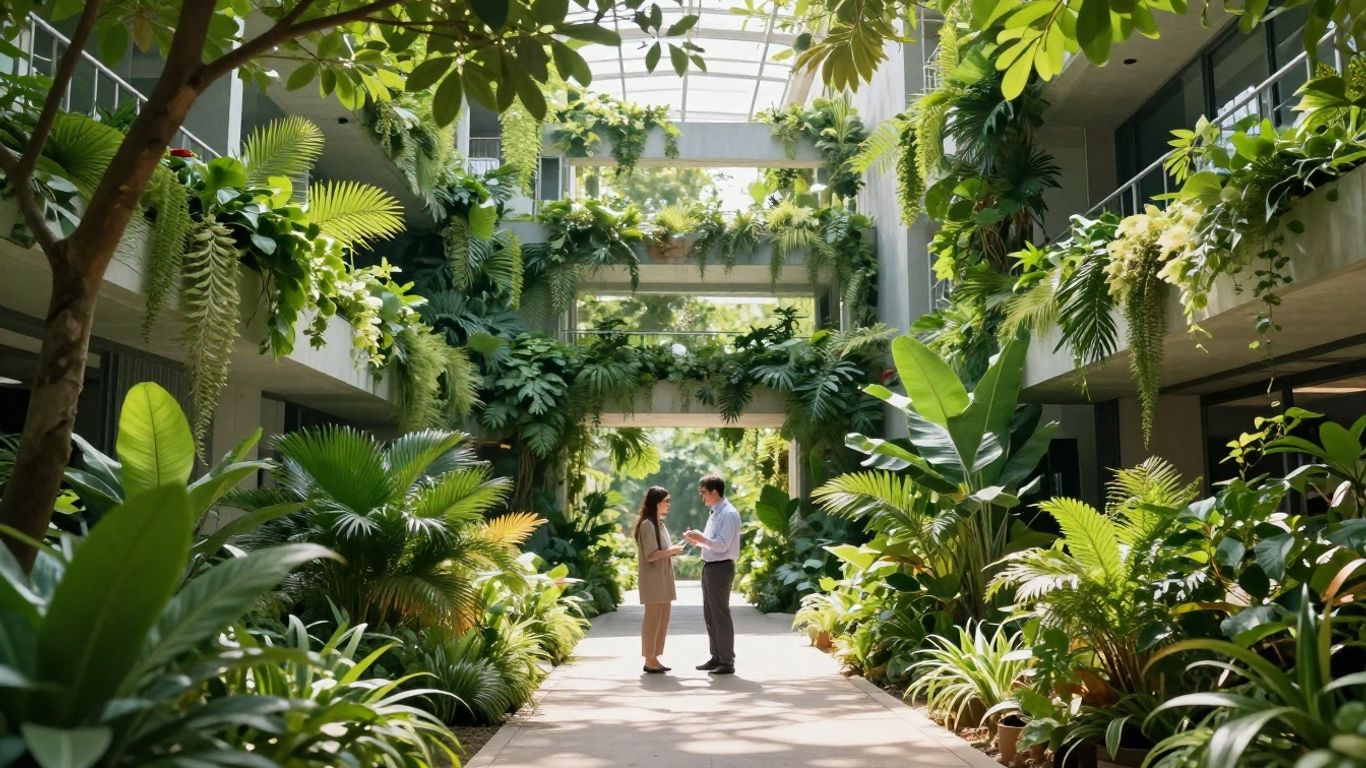
Environmental Technology and Management Division
This division is a hub for both research and education, focusing on turning environmental challenges into opportunities. They look at how organizations, technical systems, products, and processes can adapt better to the environment, always keeping an eye on the environmental impact of these changes. It's about finding smart ways to manage things so we don't just create new problems while trying to solve old ones. They're particularly interested in how future resources might be found within our existing built environment, developing methods for using these 'hidden' resources more effectively.
Energy Systems Research
Research here zeroes in on how industries can think long-term about energy use. The goal is to combine energy efficiency with better productivity and a stronger competitive edge. This involves looking at renewable energy sources, biofuels, and how to make waste management systems work better for the future. They're also involved in coordinating large programs focused on resource-efficient solutions, like the Mistra REES program.
Industrial and Urban Symbiosis Initiatives
This area explores how collaboration between different organizations, both public and private, and across various sectors, can lead to more efficient use of materials and energy. It's about creating synergy effects where one company's waste might be another's resource. This kind of cooperation can really help in making local and regional systems more sustainable. Professor Thomas Magnusson, for instance, researches the business and organizational sides of these environmental concerns, looking at how companies can manage these transitions. Learn about business aspects
The focus is on developing practical knowledge that helps companies and communities make faster changes towards sustainability. This involves looking at how strategies are put into action and how different levels, from individual firms to entire industries and even societal contexts, influence these transitions. It's about understanding the complexities and finding the right spots for intervention to speed things up.
Driving Sustainable Change in Industry
The program at Linköping University really digs into how companies can actually make a difference when it comes to sustainability. It’s not just about talking about it; it’s about putting plans into action. They focus on helping industries figure out how to use less fossil fuel and move towards cleaner energy sources. This involves looking at everything from the big picture strategy down to the nitty-gritty operational changes.
Strategic Actions for Reduced Fossil Fuel Dependency
Companies are facing a lot of pressure to cut down on fossil fuels, and this program equips students with the knowledge to help them do just that. It's about developing new ways of thinking and working. For instance, research is happening on how Swedish process firms are changing their strategies to innovate and rely less on fossil fuels. This includes looking at how they can build systems that use renewable energy and actively work against climate change, especially with the current global energy situation.
Co-Learning Workshops for Accelerated Transitions
One really interesting part of the program involves co-learning workshops. These aren't just lectures; they're hands-on sessions where people from different companies and the university come together. The idea is to share knowledge and learn from each other to speed up the adoption of new methods and sustainable strategies. It's a way to tackle complex problems collaboratively. These workshops are designed to create the conditions for rapid implementation of new working methods and sustainable strategies, bringing together industry members and researchers.
Integrating Sustainability into Business Operations
Beyond just energy, the program looks at how to weave sustainability into the very fabric of a business. This means examining how companies can manage resources more efficiently, not just in their own operations but also across supply chains. Think about closed-loop production systems, where materials are reused and recycled as much as possible. It’s about making sustainability a core part of how a business functions day-to-day, turning environmental challenges into opportunities for innovation and efficiency. You'll see examples of new environmental technology in action right in the region, showing what's possible when you commit to these changes. This approach helps companies develop sustainable value creation based on a system perspective, enabling more effective and efficient use and preservation of resources. You can find out more about strategic actions for reduced fossil fuel dependency.
The focus is on developing actionable knowledge that helps companies move faster towards sustainability. It's about understanding the complexities of these transitions at different levels – from individual firms to entire industries and even societal influences – and identifying where changes can have the biggest impact.
Practical Application and Degree Projects
So, you've been learning all about sustainability engineering and management, but what do you actually do with it? That's where the practical application and degree projects come in. It's not just about theory; it's about getting your hands dirty and making a real impact.
Real-World Environmental Technology in Action
Linköping University really pushes for students to see how the concepts they learn are used out in the field. Think about it – you're studying how to reduce waste, manage energy better, or design cleaner industrial processes. The program connects you with opportunities to witness these technologies firsthand. This could mean site visits to innovative companies or even participating in pilot projects that are trying out new sustainable solutions. It’s a chance to see the challenges and successes of implementing green tech in real businesses.
Opportunities for External Degree Projects
One of the coolest parts is the chance to do your degree project with an external partner. This means you could be working with a company, a government agency, or another organization on a project that actually matters to them. It’s a fantastic way to gain industry experience while still a student. You're not just writing a paper; you're contributing to a real-world problem. These projects often involve tackling specific sustainability issues that the partner organization is facing, like reducing their carbon footprint or improving their resource use. You can find these opportunities through the university's network, and it's a great way to build connections for your future career. Some students even end up working on projects abroad, which is pretty neat. external degree projects
Developing Solutions for Future Resource Management
Your degree project is your chance to really shine and develop something new. Whether it's an internal project at the university or an external one, the goal is to apply your knowledge to solve a problem. You'll be expected to:
- Define a clear research question related to sustainability.
- Conduct a thorough literature review to understand existing work.
- Develop and apply appropriate methods to gather and analyze data.
- Present your findings in a professional report, demonstrating your analytical skills.
It’s a rigorous process, but it prepares you for the kind of work you'll be doing after graduation. You'll learn how to manage a project from start to finish, deal with potential issues like confidentiality if you're working with sensitive company data, and present your work effectively. The university provides support through supervisors who are experts in their fields, helping you with everything from problem formulation to scheduling.
The degree project is where you synthesize everything you've learned. It's your opportunity to make a tangible contribution to the field of sustainability, whether that's through developing a new process, analyzing a complex system, or proposing innovative solutions to environmental challenges. It's a significant undertaking, but incredibly rewarding.
These projects are a big part of the program, and they really show what you're capable of. It’s all about taking that academic knowledge and turning it into practical, actionable solutions for a more sustainable future. You might even find yourself working on something that could lead to a publication or a patent, which is pretty exciting. PhD position in Environmental Technology
Academic Rigor and Professional Development
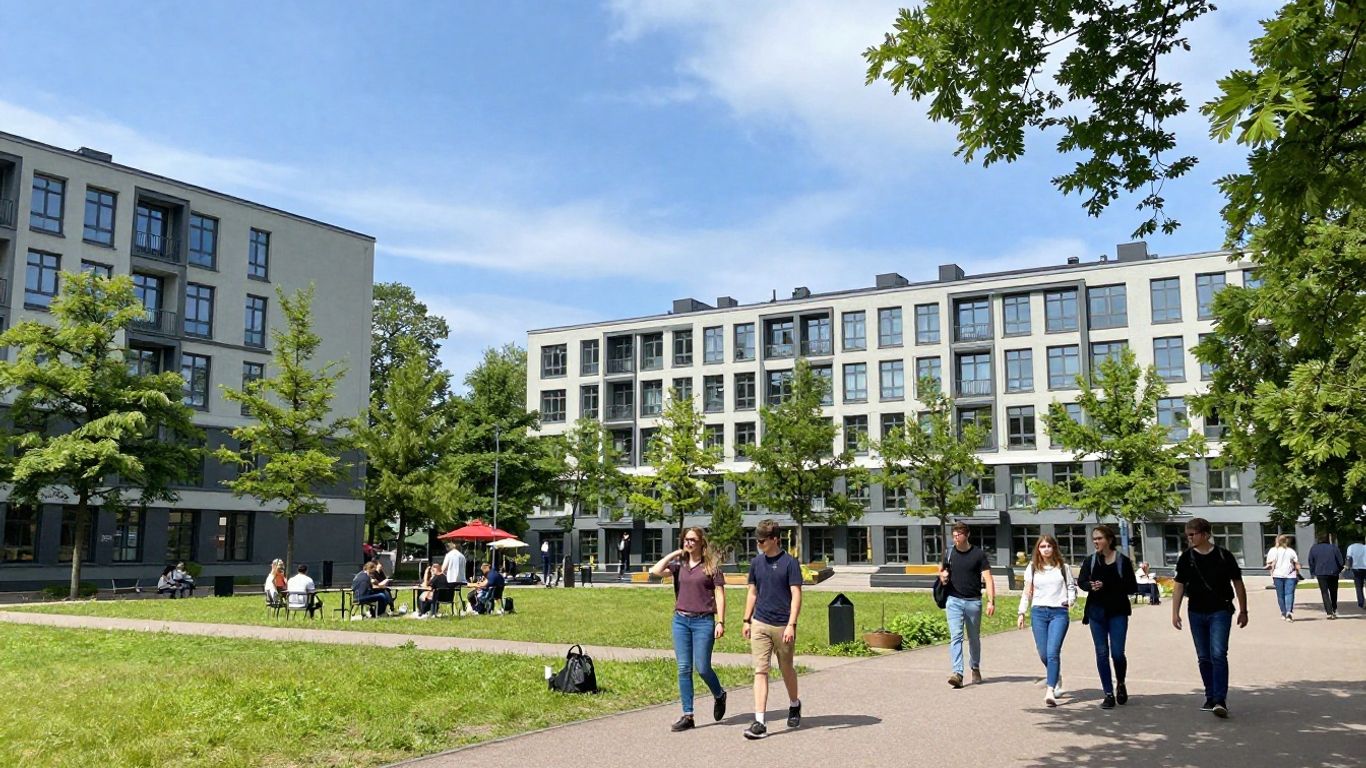
Skills for Leading Research and Engineering
This program isn't just about learning theories; it's about building the practical skills you'll need to actually do the work. You'll get hands-on experience in how research projects are structured, from figuring out what needs to be done to planning, executing, and presenting your findings. It’s about understanding how technology fits into the bigger picture, impacting society economically, socially, and environmentally. You'll learn to identify needs, plan effectively, and contribute meaningfully to research and development efforts. This focus prepares you to take the lead in complex projects.
Competency in New Engineering Fields
Sustainability engineering is a rapidly evolving area, and this program keeps you at the forefront. You'll gain a solid grounding in scientific and engineering principles, but with a specific focus on environmental challenges. This means developing a deep understanding of how to approach problems related to environmental impact, resource efficiency, and energy systems. The curriculum is designed to equip you with the knowledge to tackle issues like industrial energy use, material flows, and the sustainable management of resources, including those found within our built environments. It’s about becoming proficient in fields that are shaping the future.
Effective Teamwork and Communication
Working on sustainability challenges often means collaborating with people from different backgrounds and disciplines. The program emphasizes developing strong teamwork and communication skills. You'll learn how to work effectively in groups, share ideas clearly, and present your work in a way that resonates with diverse audiences. This is vital whether you're discussing strategies for reducing fossil fuel dependency or integrating sustainability into business operations. The ability to communicate complex ideas simply and work collaboratively is a hallmark of successful professionals in this field. You'll also learn about the importance of clear reporting and referencing in academic work, a key aspect of academic integrity.
The program encourages a proactive approach to problem-solving, pushing students to think critically about existing systems and propose innovative solutions. It’s about more than just understanding problems; it’s about developing the capacity to create change.
Here’s a look at some key areas you’ll develop:
- Project Management: From initial concept to final presentation.
- Interdisciplinary Collaboration: Working effectively with peers from various fields.
- Technical Communication: Clearly articulating complex technical and environmental concepts.
- Problem Analysis: Identifying root causes and developing targeted solutions.
This blend of technical knowledge and soft skills is what makes graduates well-prepared for careers in sustainability, whether in industry, research, or public service. It’s about building a foundation for a career focused on positive impact, drawing on insights from areas like logistics and supply chain management when applicable.
Our focus on strong academics and chances for growth means you'll be well-prepared for your future. We help you build both your knowledge and your skills. Want to see how we can help you succeed? Visit our website to learn more!
Wrapping Up
So, if you're looking to really get involved in making the world a bit greener through engineering and smart management, Linköping University's program seems like a solid choice. They're not just talking about sustainability; they're actively researching it and showing how new tech can actually work. It's a place where you can learn to tackle big environmental issues head-on, whether that's through better energy systems, smarter waste handling, or just finding ways for businesses to use fewer resources. It feels like a program that prepares you to be part of the solution, not just someone who understands the problem.
Frequently Asked Questions
What is Sustainability Engineering and Management all about?
It's a master's program focused on creating better ways to use resources. Think of it as learning how to design and manage systems, products, and industries so they don't harm the planet and use resources wisely. It's about making things work better for people and the environment, now and in the future.
What kind of subjects will I study?
You'll dive into topics like environmental science and energy systems. You'll also learn about engineering basics, how to develop new ideas, and even how to start a business focused on sustainability. It's a mix of science, engineering, and smart planning.
What makes this program special at Linköping University?
Linköping University is a hub for research in areas like renewable energy and smart waste management. You'll get to learn from experts and even see new green technologies in action right here in the region. Plus, the program combines ideas from different research groups, giving you a well-rounded view.
What are some real-world problems this program helps solve?
This program tackles big issues like reducing pollution, finding cleaner energy sources, and using materials more efficiently. It's designed to help industries and communities become more sustainable and less reliant on fossil fuels.
Can I work on projects outside of the university?
Absolutely! You'll have the chance to do your final project with a company or organization. This means you can apply what you've learned to real challenges and gain valuable hands-on experience.
What kind of jobs can I get after graduating?
Graduates are ready for all sorts of roles! You could work in companies developing new green technologies, in research labs, or even help guide businesses and governments toward more sustainable practices. It prepares you to be a leader in creating a better future.