
Explore Lucrative Watershed Management Jobs: Opportunities and Career Paths in 2026
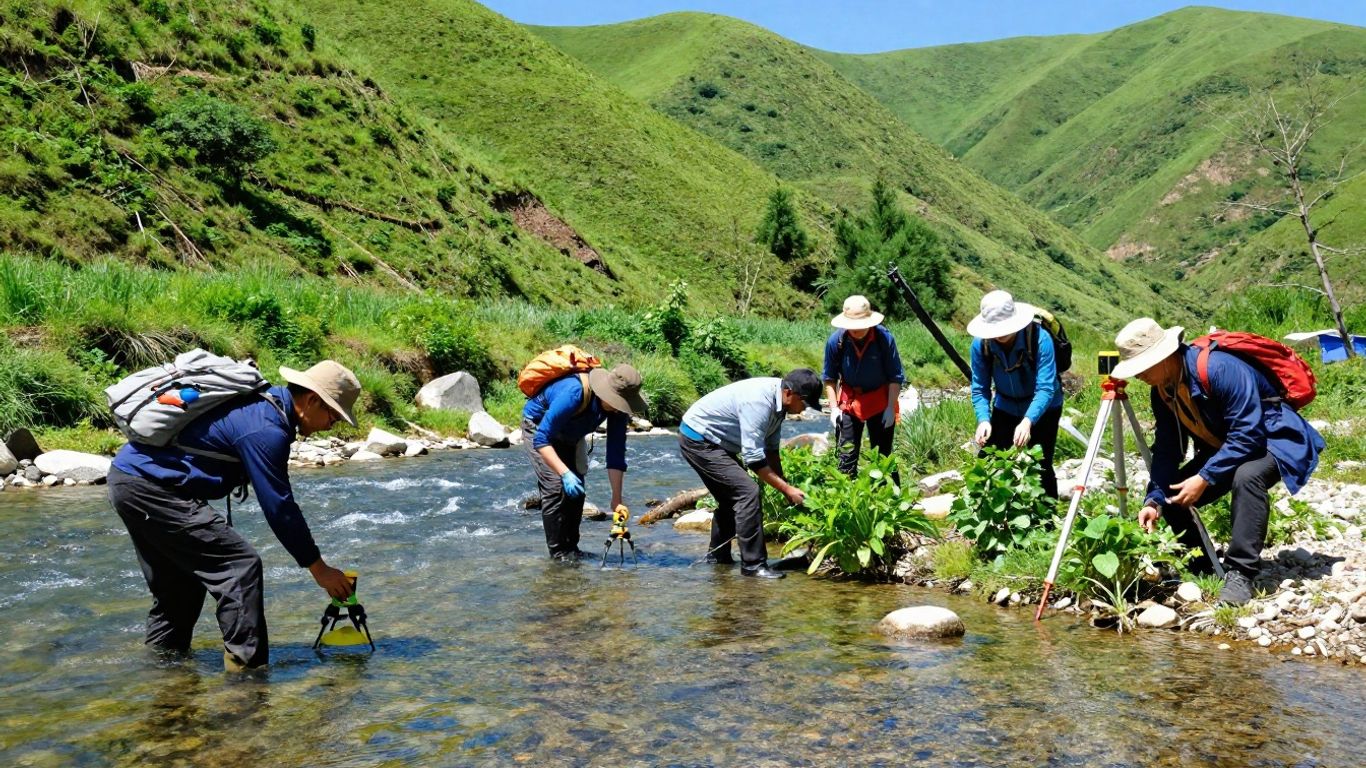
Thinking about a career in watershed management? It's a field that's really picking up steam, especially as we get closer to 2026. Protecting our water resources is becoming more important than ever, and that means more jobs are opening up. Whether you're interested in the science behind it, the policy side, or even crunching numbers, there are lots of different paths you can take. Let's explore what these watershed management jobs look like and how you can get involved.
Key Takeaways
- Watershed management jobs are growing because healthy water is a big deal these days.
- You can find work in many different areas, like environmental engineering, conservation, and data analysis.
- Getting a degree, often a bachelor's, is usually the first step for these kinds of jobs.
- Gaining hands-on experience and getting certified can really help your career.
- With climate change and a focus on resources, these jobs are expected to stick around and grow.
Understanding Watershed Management Jobs
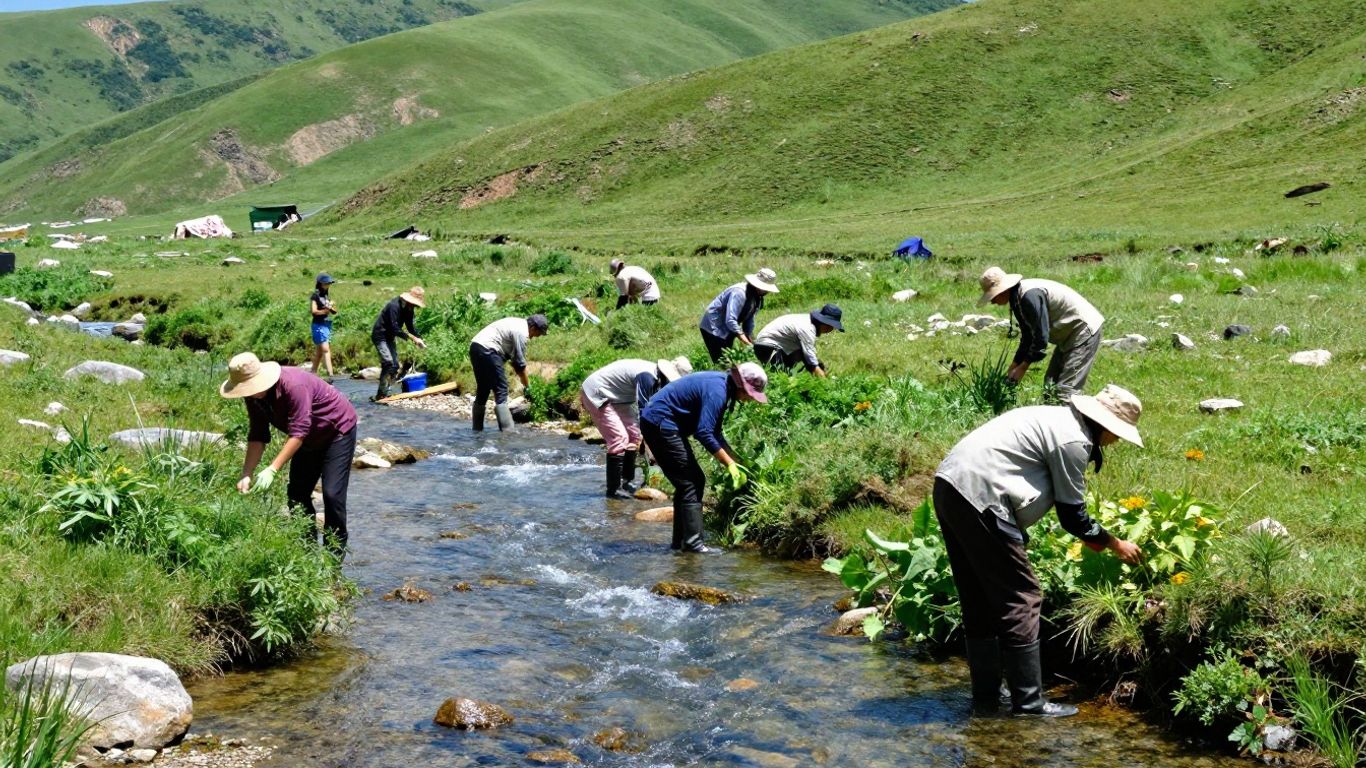
Watersheds are basically the areas of land where all the water that falls on it drains into a common place, like a river, lake, or ocean. Keeping these areas healthy is becoming super important, and that's where watershed management jobs come in. These roles are all about protecting our water resources, making sure they're clean, and managing them so they can be used now and in the future.
The Growing Importance of Watershed Health
Think about it: clean water is pretty essential for everything, right? From the water we drink to the ecosystems that support wildlife, healthy watersheds are the backbone. As populations grow and climate patterns shift, the pressure on these natural systems increases. This means there's a bigger need for people who know how to manage and protect them. The demand for professionals who can ensure water quality and availability is on the rise. It's not just about preventing pollution; it's also about managing water flow, restoring damaged areas, and planning for future water needs. This field is really about safeguarding a vital resource for both people and nature.
Key Sectors for Watershed Management Careers
So, where do these jobs actually exist? You'll find them in a bunch of different places:
- Government Agencies: Federal, state, and local bodies often hire watershed specialists to oversee public lands, enforce regulations, and manage water infrastructure. Think EPA, Forest Service, or local water districts.
- Non-Profit Organizations: Many environmental groups focus on watershed conservation and restoration. They need people to run projects, advocate for policies, and educate the public.
- Consulting Firms: Private companies hire watershed experts to conduct environmental impact studies, design restoration projects, and help other organizations meet environmental standards. This is a big area for jobs, especially with the push for climate neutrality.
- Research Institutions: Universities and research centers employ scientists and technicians to study watershed processes, develop new management techniques, and monitor water quality.
- Private Industry: Some companies, especially those that rely heavily on water resources or have significant environmental footprints, hire their own watershed managers to ensure compliance and sustainability.
Essential Skills for Success in Watershed Management
To do well in this field, you'll need a mix of technical know-how and practical skills. Here are a few key ones:
- Scientific Knowledge: A solid grasp of hydrology, ecology, soil science, and environmental chemistry is pretty much a must. You need to understand how water moves and how different factors affect water quality.
- Data Analysis: Being able to collect, interpret, and present data is super important. This often involves using tools like Geographic Information Systems (GIS) to map out watershed characteristics and analyze trends.
- Communication: You'll be talking to a lot of different people – scientists, policymakers, landowners, and the public. Being able to explain complex issues clearly is vital.
- Problem-Solving: Watersheds face all sorts of challenges, from pollution to flooding. You need to be able to figure out what's going wrong and come up with practical solutions.
- Project Management: Many roles involve planning, budgeting, and overseeing projects from start to finish. This requires good organizational skills and the ability to coordinate with various stakeholders.
Working in watershed management means you're on the front lines of environmental protection. It's a field that requires a blend of scientific understanding and practical application, aiming to keep our water resources healthy and usable for everyone. It's about making a real difference in how we interact with our environment.
Diverse Career Paths in Watershed Management
So, you're thinking about a career in watershed management? That's awesome! It's a field with a lot of different directions you can go, and honestly, it's pretty important work. You're not just looking at one type of job; there are several paths that all contribute to keeping our water healthy.
Environmental Engineering and Hydrology Roles
If you like solving problems with science and math, these roles might be for you. Environmental engineers are the folks who figure out how to manage waste and pollution, making sure our air and water meet certain standards. They're constantly testing things and looking for ways to improve processes. Hydrologists, on the other hand, focus specifically on water – how it moves, where it goes, and its quality. They're out in the field, sometimes wading into rivers, to collect samples and figure out what's going on with our waterways. These jobs often require a bachelor's degree, but many people move up by getting a master's.
Here's a quick look at some typical stats:
Conservation Science and Policy Positions
These careers are for people who are passionate about nature and want to protect it. Conservation scientists work to manage natural resources like forests and parks. They spend a good chunk of time outdoors, making sure that practices are following the rules and helping to create plans for managing these areas. Think of them as guardians of our natural spaces. Then there are roles that lean more towards policy. These positions involve understanding the science behind watershed health and translating that into rules and guidelines that protect water resources. It's about making sure that decisions made today help water for the future. You might find yourself working with government agencies or non-profits, advocating for better water management practices. Getting some hands-on experience through programs like the Watershed Management Research and Outreach Undergraduate Internship Program can be a great start.
Data Analysis and Sustainability Analyst Opportunities
In today's world, data is everywhere, and watershed management is no exception. Sustainability analysts look at how organizations operate and find ways to make them more environmentally friendly. This often involves crunching numbers related to energy use, waste production, and resource consumption. They then propose changes to reduce a company's impact. It's a growing field, especially as more businesses realize the importance of being sustainable. You'll need a good head for numbers and a solid understanding of environmental principles. These roles are key in helping industries move towards a more sustainable resource management approach, which is becoming increasingly important.
The push for sustainability means that jobs focused on analyzing environmental impact and proposing solutions are becoming more common. It's not just about identifying problems; it's about finding practical, data-driven ways to fix them and improve how we use our planet's resources.
Educational Foundations for Watershed Professionals
So, you're thinking about a career in watershed management? That's awesome! It's a field that really matters. But before you start picturing yourself out in the field, let's talk about what you need to know to get there. Getting the right education is the first big step.
Bachelor's Degree Requirements
Most entry-level jobs in watershed management will require at least a bachelor's degree. Think of this as your foundation. You'll want to focus on fields that give you a solid understanding of natural systems and how we interact with them. Common majors include environmental science, biology, forestry, or even a general science degree with a focus on ecology. Some roles, like those in environmental engineering or hydrology, will specifically look for degrees in those disciplines. It's all about building that core knowledge base.
Advanced Degrees for Specialized Roles
While a bachelor's is often enough to get your foot in the door, if you're aiming for more specialized positions or want to move up the ladder faster, you might want to consider a master's degree. This is where you can really hone in on a specific area, like water resource management, environmental policy, or conservation science. Advanced degrees can open doors to research positions, higher-level analysis, and even management roles. It shows you're serious about becoming an expert in your chosen path.
Recommended Degree Programs
When you're looking at programs, keep an eye out for those that offer specific coursework relevant to watershed health. Here are a few examples of what you might find:
- Environmental Science & Climate Change: This is a pretty direct route, covering everything from ecological principles to the impacts of a changing climate on water systems.
- Conservation Biology: Great for roles focused on protecting natural resources and biodiversity within watersheds.
- Environmental Engineering: If you're interested in the technical side, like designing water treatment systems or managing infrastructure, this is the way to go.
- Hydrology or Water Resource Management: These programs focus specifically on the study of water, its movement, and how to manage it sustainably.
It's also a good idea to look for programs that include hands-on experience, like internships or field projects. That practical application is super important. You might also want to check out programs that align with your future career goals, perhaps even looking into sustainability reports from organizations you admire to see what kind of backgrounds they value.
Getting a solid education is more than just earning a piece of paper. It's about developing the critical thinking skills and the technical know-how to tackle complex environmental challenges. Think of your degree as the toolkit you'll use throughout your career.
Some roles might also benefit from a strong understanding of data analysis or policy. For instance, a Corporate Social Responsibility statement often highlights a company's commitment to environmental stewardship, and professionals with analytical skills are needed to help achieve those goals. Don't be afraid to mix and match minors or take electives that broaden your perspective. The more you know, the more adaptable you'll be in this evolving field.
Advancing Your Career in Watershed Management
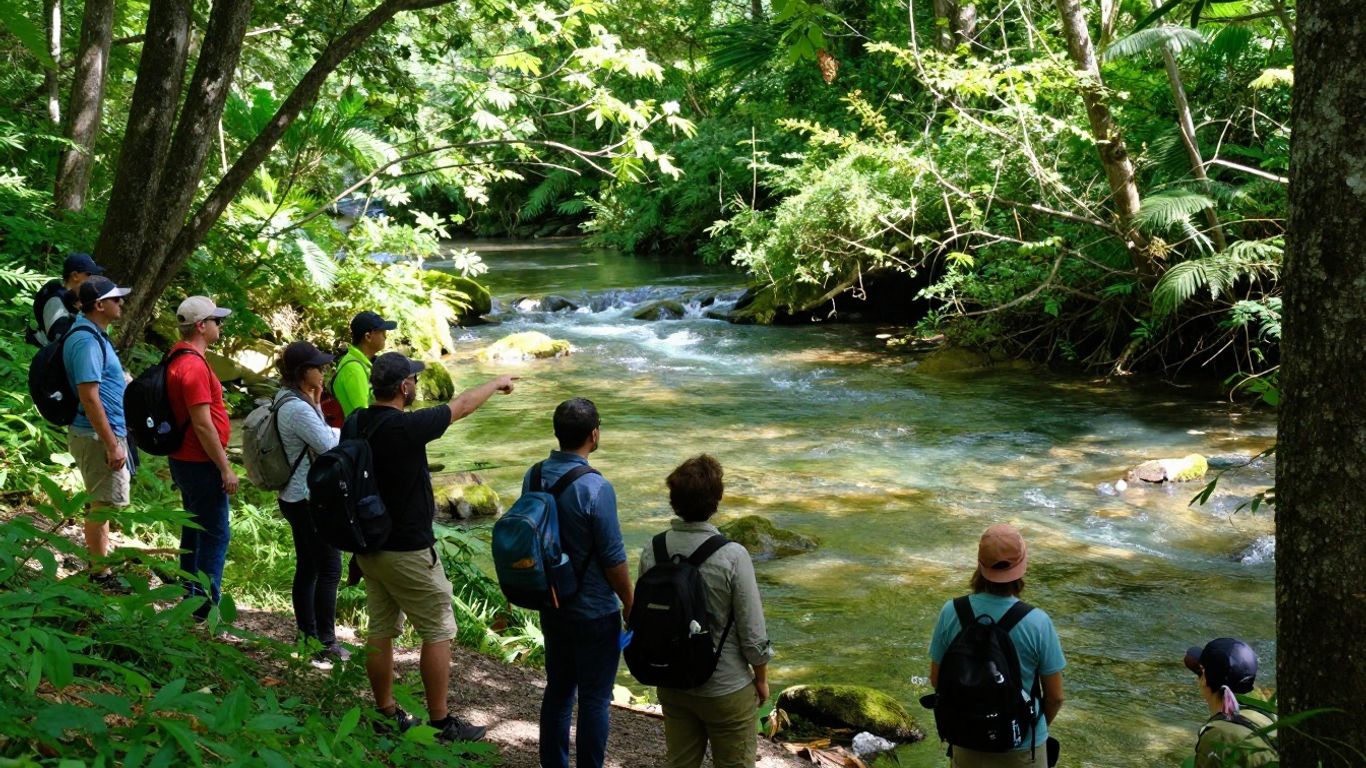
So, you've got a handle on the basics of watershed management and you're looking to really make some moves in the field. That's awesome! It's not just about getting the degree and landing that first job; it's about building a career that lasts and makes a real difference. Continuous professional development is key to staying relevant and growing.
Gaining Field Experience
Look, textbooks and lectures are great, but nothing beats getting your hands dirty. Practical experience is where you really learn the ropes. Think about internships or volunteer work. Many organizations are looking for help, and these opportunities are fantastic for learning specific techniques and understanding real-world challenges. For instance, places like the Watershed Management Group often have programs where you can gain hands-on experience. It's also a great way to figure out what aspects of watershed management you're most passionate about.
- Monitoring water quality: Learn to collect and analyze samples.
- Habitat restoration: Participate in projects to improve stream banks or wetlands.
- Community outreach: Help educate the public about watershed issues.
- Data collection: Assist with surveys and mapping projects.
Pursuing Professional Certifications
Once you've got some experience under your belt, certifications can really set you apart. They show employers you've met a certain standard of knowledge and skill. Different organizations offer certifications, and they often focus on specific areas like stormwater management or erosion control. Having a certification can open doors to more senior roles and sometimes even higher pay. It's a way to signal your commitment to the profession.
Networking and Continuous Learning
Don't underestimate the power of connections. Go to conferences, join professional associations, and connect with people on platforms like LinkedIn. You never know where your next opportunity or collaboration might come from. Also, keep learning! The field of watershed management is always evolving, with new technologies and approaches emerging. Staying updated through workshops, webinars, or even just reading industry publications is super important. It's about being a lifelong learner in a field that truly matters.
The environmental sector, including watershed management, is dynamic. Keeping your skills sharp and your network strong is just as important as your initial education. It's a marathon, not a sprint, and consistent effort pays off.
The Future Outlook for Watershed Management Jobs
So, what's the deal with jobs in watershed management looking ahead? It's actually a pretty bright picture, honestly. With more attention being paid to our planet's water resources, the need for people who know how to manage them is only going to grow. Think about it: clean water isn't just a nice-to-have, it's a necessity for everything from drinking water to farming to keeping ecosystems healthy.
Projected Job Growth in Environmental Fields
Across the board, jobs in environmental fields are seeing a nice bump. We're talking about roles that help protect the environment and keep things sustainable. For instance, the outlook for environmental scientists and specialists, which includes roles like sustainability analysts, is projected to grow by about 8% between 2020 and 2030. That's a solid increase, meaning more opportunities for folks looking to make a difference. It's not just one or two jobs either; there are a lot of emerging green jobs with rising demand in 2026, covering areas from sustainability management to data analysis related to environmental impact. These green jobs are becoming more common.
Impact of Climate Change on Water Resources
Climate change is a huge factor here. We're seeing more extreme weather events – think floods and droughts – which really mess with our water systems. This means we need more hydrologists to study water movement and quality, and more environmental engineers to design solutions for managing water during these extremes. The demand for professionals who can assess and manage water resources in the face of these changes is definitely on the rise. It's a complex problem, and it requires smart people to figure it out.
Opportunities in Sustainable Resource Management
Beyond just fixing problems, there's a big push for sustainable resource management. This means looking at how we use water and other natural resources in a way that doesn't deplete them for future generations. Companies are increasingly looking at their environmental footprint, partly due to new regulations. For example, California's climate bill introduces new reporting requirements for businesses, with Scope 1 and 2 emissions reporting expected around August 2026. This kind of oversight drives the need for professionals who can help organizations manage their resources more responsibly. The future is about working smarter with what we have.
Managing our watersheds effectively isn't just about protecting nature; it's about safeguarding our own future. The jobs in this field are becoming more important as we face challenges like water scarcity and pollution. It's a growing area with real impact.
Thinking about jobs in watershed management? The field is growing, with more chances to help protect our water. Want to learn more about how you can be part of this important work? Visit our website today to explore career paths and discover how you can make a difference!
Wrapping It Up
So, it's pretty clear that jobs in watershed management are looking good for the future, especially around 2026. We've talked about a bunch of different roles, from folks who keep our water clean to those who figure out how to best use it. It seems like there are plenty of ways to build a career here, whether you're just starting out or looking to switch gears. The main takeaway is that taking care of our water systems is becoming more important, and that means more job openings for people who know their stuff. If you're interested in this kind of work, now's a great time to start looking into the education and skills you'll need. It's a field where you can actually make a difference and earn a decent living doing it.
Frequently Asked Questions
What kind of jobs are there in watershed management?
There are many different jobs in watershed management! You could be an environmental engineer, helping to design systems that keep our water clean. Or maybe a conservation scientist, working to protect natural areas. Some jobs involve analyzing data to understand water patterns, while others focus on creating rules and policies to protect water resources. It's a field with lots of different ways to help manage our water.
Why are watershed management jobs important now?
Watershed management jobs are super important because healthy water is vital for everyone and everything. We need clean water for drinking, farming, and for all the plants and animals. With things like climate change and pollution, keeping our water sources healthy is a big challenge. These jobs help make sure we have enough clean water for today and for the future.
What skills do I need for a job in watershed management?
To do well in watershed management, it helps to be good at problem-solving and science, especially understanding how water moves and how ecosystems work. Being able to collect and understand data is also key. Good communication skills are important too, so you can explain your ideas to others and work with different groups. Being willing to learn and adapt is also a big plus!
Do I need a special degree for watershed management jobs?
Yes, usually you'll need a college degree. Many jobs require a bachelor's degree in fields like environmental science, biology, engineering, or hydrology. For more advanced or specialized roles, like leading research projects, you might need a master's degree or even a PhD. But there are entry-level jobs that can get you started.
Will there be more watershed management jobs in the future?
The outlook for jobs related to environmental work, including watershed management, looks good! As we face more challenges with water resources and climate change, there will be a growing need for people who can manage and protect our water. This means more opportunities for those looking to build a career in this field.
How can I get experience in watershed management?
Getting hands-on experience is really valuable. You can look for internships with environmental organizations or government agencies. Volunteering for local watershed cleanups or monitoring projects is another great way to learn. Even taking on projects in school that focus on water issues can help you build skills and show potential employers you're passionate about this work.