
Expert Watershed Consulting: Navigating Your Water Resource Challenges
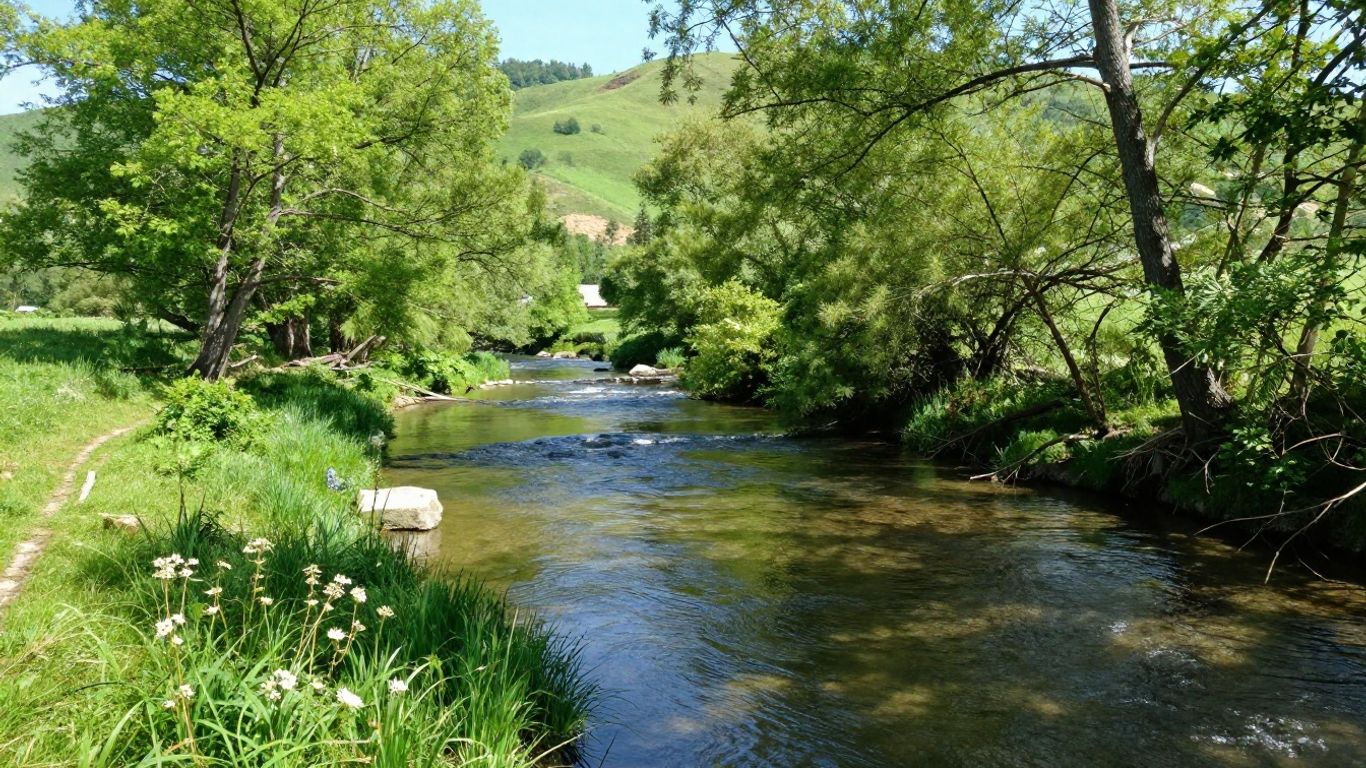
Dealing with water is complicated, right? Whether you're running a business, a farm, or a town, water is a big deal. Sometimes there’s not enough, sometimes there’s too much, and there are always rules to follow. That's where watershed consulting comes in. Think of it as having a guide who knows the ins and outs of water resources, helping you figure out the best way to manage it all so things run smoothly and you're prepared for whatever comes next.
Key Takeaways
- Water challenges like not having enough water or dealing with floods are common for many organizations.
- Specialized watershed consulting helps businesses and communities manage water better, follow rules, and meet their goals.
- Getting help with water audits, planning, and using new technology can make a big difference in how water is used.
- Different industries, from factories to farms, have unique water needs that require specific solutions.
- Good water management planning helps prepare for climate changes and keeps water resources healthy for the future.
Understanding Your Watershed Challenges
Watersheds are complex systems, and managing them effectively means facing a variety of issues. It's not just about the water itself, but also about how we use the land around it and how everything interacts. We're seeing more and more pressure on our water resources, and it's only going to get tougher.
Resource Scarcity and Competition
This is a big one. As populations grow and industries expand, the demand for water keeps climbing. This puts a strain on available supplies, leading to competition between different users – think farmers needing water for crops, cities needing it for drinking, and factories needing it for production. Sometimes, these needs clash, and finding a balance becomes tricky. We're also seeing how climate change impacts both natural and built environments, altering water availability and creating new challenges for sustainability. Climate change impacts are making water scarcity a more pressing issue in many places.
Regulatory Compliance and Policy
Water management isn't just about nature; it's also about rules and laws. There are many regulations in place to protect water quality and ensure fair distribution. Keeping up with these rules can be complicated, especially when different government levels and agencies are involved. Policies can also create hurdles, sometimes making it difficult to implement solutions across different areas or jurisdictions. The Rohingya influx, for example, has led to significant watershed degradation, highlighting the need for careful management and policy. These issues pose serious environmental concerns.
Achieving Sustainability Goals
Ultimately, most organizations and communities want to manage their water in a way that lasts. This means using water efficiently, protecting its quality, and making sure there's enough for future generations. It's about finding ways to meet today's needs without messing things up for tomorrow. This often involves looking at the whole picture, from how water is used on-site to how it impacts the wider environment. It requires a shift towards practices that support long-term ecological health and resource availability.
Managing water resources today means thinking about tomorrow. It's about making smart choices now to avoid bigger problems later. This involves looking at everything from how we use water in our homes and businesses to how we protect natural water sources.
Comprehensive Watershed Consulting Services
Dealing with water can get complicated, right? It feels like there's always something new to figure out, whether it's how much water you're actually using or how to keep up with all the rules. That's where we come in. Our consulting services are designed to take the guesswork out of managing your water resources. We look at what you're doing now, figure out where things can be improved, and help you put a solid plan in place.
Water Audit and Usage Assessment
First things first, we need to know where your water is going. Think of it like a check-up for your water system. We'll go through your operations, track down every drop, and pinpoint any leaks or areas where water is being wasted. This isn't just about finding problems; it's about getting a clear picture of your current water footprint. We use a mix of on-site checks and data analysis to build a baseline. This helps us see how you stack up against others in your field, too.
Here’s a quick look at what we do:
- Detailed review of your water bills and supply sources.
- On-site inspections to identify leaks and inefficient fixtures.
- Analysis of process water use in your operations.
- Benchmarking your usage against industry standards.
Strategic Water Management Planning
Once we know your water situation, we help you create a roadmap. This isn't a one-size-fits-all deal. We work with you to develop strategies that fit your specific needs and goals, whether that's cutting costs, meeting sustainability targets, or just making sure you have enough water for the future. We consider things like potential future demands and any risks that might pop up. Our goal is to create a practical, long-term plan that works for your organization. This might involve looking at different scenarios to see how your plan holds up under various conditions. We can help you with water resources management that makes sense for your business.
Technology Implementation and Integration
Sometimes, the best way to manage water better is by using the right tools. We can help you figure out what technologies make sense for your situation. This could be anything from smart meters that give you real-time data on usage to advanced treatment systems that help you reuse water. We don't just recommend tech; we help you integrate it smoothly into your existing systems. This means making sure it works well with what you already have and that your team knows how to use it. Getting the right technology in place can make a big difference in efficiency and cost savings.
We believe that good water management is about more than just following rules; it's about smart business. By understanding your water use and planning ahead, you can save money, reduce your environmental impact, and build a more secure future for your operations. Our team is here to guide you through each step, making the process as straightforward as possible.
Navigating Complex Water Resource Landscapes
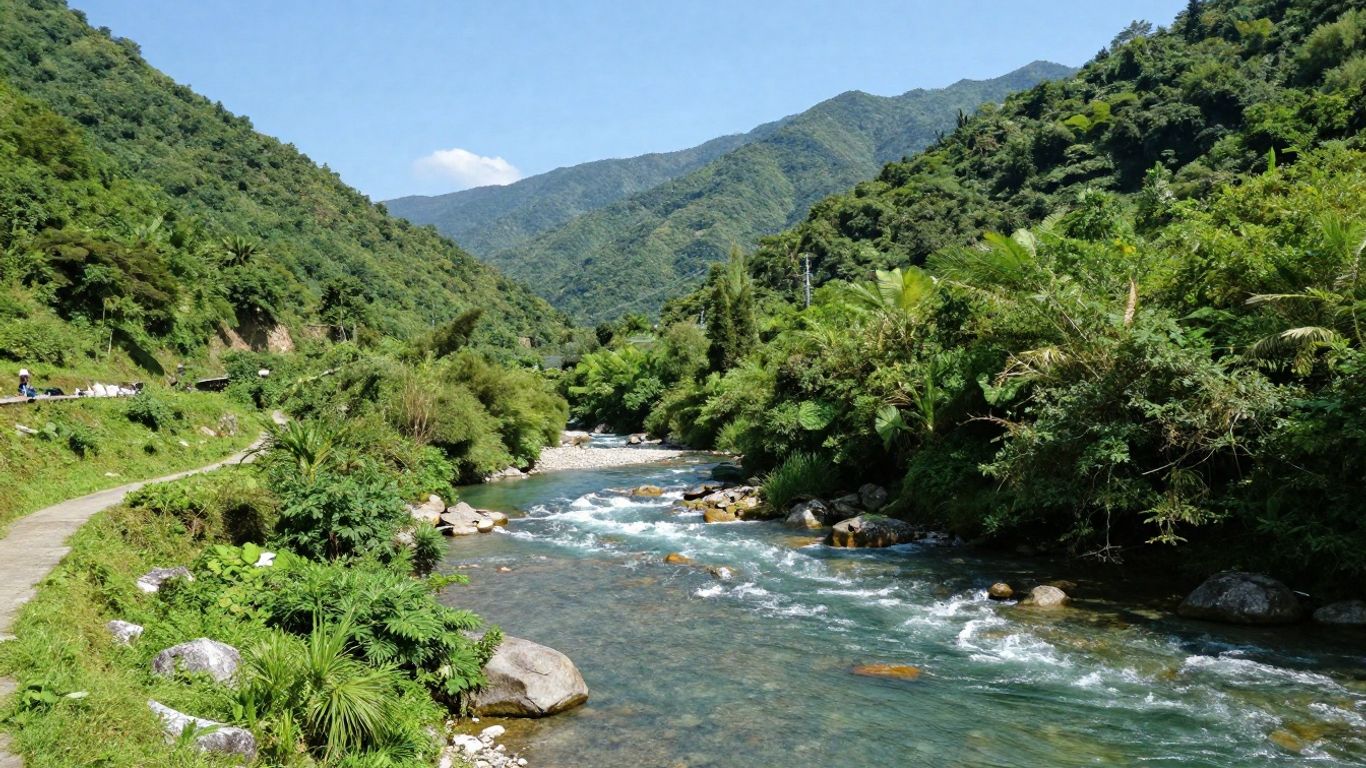
Water doesn't just stay put, does it? It flows across property lines, county borders, and even state boundaries. This natural movement creates some pretty tricky situations when we need to manage it effectively. Trying to sort out water issues can feel like untangling a giant ball of yarn, especially when different groups have different ideas about how water should be used or protected. We're talking about farmers needing water for crops, cities needing it for drinking, and industries needing it for their processes. Everyone has a stake, and sometimes those interests clash.
Addressing Cross-Boundary Water Issues
When water crosses borders, it complicates everything. A decision made upstream can have big effects downstream, and vice versa. This is where things get really interesting, and often, really difficult. Governments and private groups often struggle to coordinate because water doesn't respect political lines. We see this play out with shared rivers, groundwater basins, and even just general water availability that affects multiple communities. Getting everyone on the same page is the first, and maybe biggest, hurdle. It requires looking beyond immediate needs and thinking about the whole system. This is where smart water resources engineering comes into play, looking at the whole picture.
Fostering Public and Private Collaboration
Because water touches so many parts of our lives and economy, getting public and private sectors to work together is a must. It's not just about government telling people what to do; it's about finding common ground. Industries, local governments, environmental groups, and citizens all have a role to play. Building these partnerships takes time and effort, but it's how we find solutions that work for everyone. Think about it:
- Sharing data openly so everyone understands the current situation.
- Developing joint projects that benefit both the environment and local economies.
- Creating forums where different stakeholders can voice concerns and find compromises.
Working together means breaking down walls between different departments or organizations. It's about seeing water as a shared resource that needs collective care, not just individual management.
Leveraging Data and Technology for Insights
We're collecting more information about water than ever before, but it's often scattered everywhere. Utilities have their data, environmental agencies have theirs, and companies track their own usage. Making sense of all this information is key. Using tools like geographic information systems (GIS) and advanced modeling helps us see patterns, predict future needs, and identify areas where we can be more efficient. This data-driven approach is vital for making informed decisions and developing effective water management strategies. It helps us move from reacting to problems to proactively planning for a more secure water future.
Industry-Specific Watershed Solutions
Every industry has its own unique relationship with water. What works for a sprawling farm might not cut it for a busy manufacturing plant, and a city's water needs are a whole different ballgame. That's why we tailor our approach, looking at the specific demands and challenges each sector faces.
Manufacturing and Industrial Water Needs
For factories and industrial sites, water is often a core part of the production process. It's used for cooling, cleaning, and as an ingredient. Managing this water efficiently means looking at everything from intake to discharge. We help identify where water is being used, how much is needed, and where savings can be found. This often involves optimizing cooling systems, improving cleaning protocols, and exploring ways to reuse water within the facility. It's about making sure your operations run smoothly without wasting this vital resource. We also focus on meeting strict environmental regulations regarding wastewater discharge, which can be a big headache for many businesses.
Municipal and Utility Water Management
Cities and water utilities are on the front lines of public water supply. They're responsible for providing clean, safe drinking water to residents and businesses, while also managing wastewater. This involves a lot of planning – thinking about how demand will grow, how to maintain aging infrastructure, and how to keep costs down for consumers. We work with municipalities to develop long-term strategies for water security, including conservation programs and infrastructure upgrades. It's a complex puzzle that requires balancing public health, environmental protection, and financial sustainability. Understanding water rights and regulations is also a big part of this, especially in drier regions. Colorado's complex system of water rights is a prime example of the kind of intricate legal landscape we help clients navigate.
Agricultural and Food Processing Water Efficiency
Agriculture is a massive water user, and the food processing industry relies heavily on water too. For farms, it's all about getting the right amount of water to crops at the right time, often through irrigation systems. We look at ways to make these systems more efficient, reducing waste and improving yields. For food processors, water is used for everything from washing produce to cleaning equipment. We help them find ways to conserve water, treat wastewater effectively, and meet food safety standards. This sector faces unique challenges, including seasonal demand fluctuations and the need to manage water quality carefully to avoid contaminating products. Improving irrigation techniques can make a big difference in water conservation.
Water is a shared resource, and its management requires looking beyond individual needs to the health of the entire watershed. Our goal is to help each industry find solutions that are good for their bottom line and good for the environment.
Ensuring Resilient Water Futures
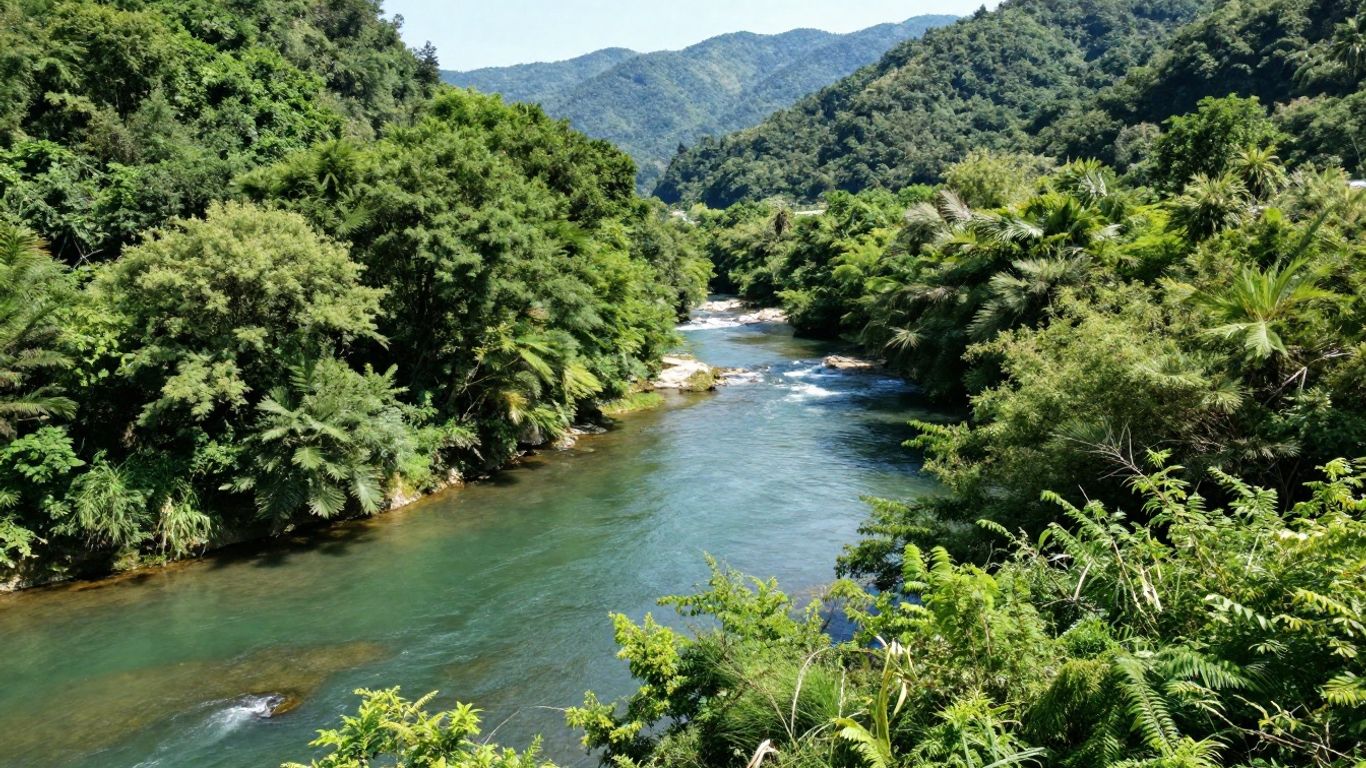
Thinking about the future of water can feel a bit overwhelming, especially with all the talk about climate change and unpredictable weather. It’s not just about having enough water for today; it’s about making sure our water systems can handle whatever comes their way down the line. This means looking at how we can protect ourselves from floods and droughts, and also how we can help nature do its part in keeping our water clean and healthy.
Climate Resilience and Flood Mitigation Strategies
Climate change is bringing more extreme weather, and that means we need to be ready for both too much water and too little. We're talking about planning for heavy downpours that can cause flooding and for longer dry spells that lead to water shortages. It's about building smarter, not just harder. This could involve things like creating more green spaces in cities that can soak up rainwater, or improving how we manage reservoirs to handle fluctuating water levels. Preparing for these shifts is key to protecting our communities and infrastructure. We need strategies that can adapt as conditions change, making sure our water supply remains steady and our towns stay safe. This resource provides curated data, tools, and information to help drinking water systems prepare for the impacts of climate change. It aims to support planning and resilience efforts for water infrastructure. prepare for climate change
Stream Restoration and Ecological Balance
Our rivers and streams are more than just channels for water; they're living systems. Over time, human activity can damage these natural waterways, affecting water quality and the plants and animals that depend on them. Stream restoration is about fixing that damage. It can involve reshaping stream banks to be more stable, replanting native vegetation along the edges, or removing old structures that block water flow. The goal is to bring back the natural functions of these streams, improving habitat and making the water cleaner. It’s a way to work with nature to heal our waterways.
Adaptive Stormwater Master Planning
Stormwater management is a big piece of the puzzle. When it rains heavily, our cities and towns need to handle all that runoff without causing floods or polluting our rivers. Adaptive stormwater master planning looks at the whole picture. It’s not a one-time fix; it’s an ongoing process. We need plans that can change as our cities grow and as weather patterns shift. This might mean using a mix of traditional drainage systems and newer, greener approaches like rain gardens and permeable pavements. The idea is to create a system that can manage water effectively, reduce pollution, and even help recharge groundwater. It’s about being flexible and smart with how we handle rainwater, ensuring water availability through various strategies like recycling water. water reuse strategies
Building a water-resilient future isn't just about engineering solutions; it's about understanding the interconnectedness of our environment and our communities. It requires looking ahead, anticipating challenges, and implementing strategies that are both effective today and adaptable for tomorrow.
Driving Measurable Outcomes with Expert Guidance
Working with water resource consultants isn't just about getting advice; it's about seeing real, tangible results. We focus on turning complex water challenges into clear wins for your organization. Our goal is to provide strategies that you can actually measure and track.
Quantifiable Reductions in Water Consumption
We help you pinpoint exactly where water is being used and identify opportunities for savings. This isn't guesswork. We start with a detailed water audit, looking at everything from your main supply lines to individual fixtures. Then, we develop a plan to cut down on what you're using.
- Baseline Assessment: We establish your current water usage levels.
- Targeted Interventions: We recommend specific changes, like upgrading equipment or adjusting processes.
- Monitoring and Verification: We track your progress to confirm the savings.
For example, a manufacturing plant might see a 15% reduction in process water use after implementing recommendations from a water audit. This translates directly to lower utility bills and a smaller environmental footprint.
Enhanced Compliance and Reporting
Keeping up with water regulations can feel like a full-time job. We simplify this by ensuring your operations meet all necessary standards. This means fewer headaches and avoiding potential fines. We help you prepare accurate reports, so you always know where you stand with regulatory bodies. This kind of support is vital for maintaining smooth operations and good community relations.
Navigating the maze of environmental laws and permit requirements often feels overwhelming. Expert guidance can clarify these complexities, making sure your organization stays on the right side of compliance and avoids costly missteps.
Mitigating Financial and Operational Risks
Water scarcity, unexpected droughts, or stricter regulations can all pose significant risks to your business. Our consulting helps you build resilience. We look at potential problems before they happen and create plans to deal with them. This could involve securing alternative water sources or investing in water-efficient technology. By proactively managing your water resources, you protect your bottom line and keep your operations running smoothly, no matter what comes your way. This proactive approach is key to long-term success in effective water resource management.
We also help integrate new technologies, like smart meters and real-time monitoring systems, to give you better control and insight into your water use. This data-driven approach allows for continuous improvement and adaptation.
Our team gives you clear help to reach real results. We make sure you know what steps to take next. If you're looking for simple and smart ideas that actually work, check us out. Ready to make a difference? Visit our website and see how we can help you today.
Wrapping Up
So, dealing with water stuff can get pretty complicated, right? Whether it's making sure there's enough water for everyone, following all the rules, or just trying to be more eco-friendly, it's a lot. That's where folks who really know their water come in. They help sort through the mess, figure out what needs doing, and point you in the right direction. It’s not always easy, but getting a handle on your water resources now means a better, more stable future for your projects and your community. Don't let water challenges get you down; there are experts ready to help you find your way.
Frequently Asked Questions
What exactly is a watershed, and why is it important?
Think of a watershed as a big area of land where all the water that falls on it drains into the same place, like a river, lake, or ocean. It's super important because everything happening on that land affects the water quality and how much water is available for everyone – people, plants, and animals.
Why do we need 'expert' help with water resources?
Water can be tricky! Experts have special knowledge to figure out problems like not having enough water, dealing with new rules, or making sure we use water wisely for the future. They help make smart plans so we don't run out of this precious resource.
What's a 'water audit,' and what does it do?
A water audit is like a check-up for how water is being used. Consultants look closely at where water comes from, how much is used, and where it might be wasted. This helps find ways to save water and money.
How can consultants help with water problems that cross different towns or states?
Sometimes, water flows through many different areas, and different towns or even states might have different needs or rules. Experts can help everyone work together and find solutions that work for all the areas involved.
What does 'climate resilience' mean for water?
Climate resilience means preparing for changes caused by our changing climate, like more floods or droughts. For water, it means making sure we have enough clean water during dry times and can handle too much water during floods, protecting our homes and businesses.
Can water consulting really save money?
Yes, it often can! By finding ways to use water more efficiently, fixing leaks, or complying with rules smartly, businesses and towns can lower their water bills and avoid costly fines. It's about using water in the best way possible.