
Everything you need to know about the Master in International Management and Sustainability at Sciences Po

Key Takeaways
- The program offers a multidisciplinary approach merging management, economics, and sustainability.
- Students can choose between tracks focused on innovation or corporate business administration.
- Practical experience is embedded through mandatory capstone projects and internships.
- International diversity of the cohort fosters a unique, globally-minded learning environment.
- Graduates secure roles in consulting, finance, CSR, and multinational corporate strategy.
Overview and program objectives
Academic focus on global management
The program provides a sophisticated foundation in core managerial principles tailored for the current economic reality. By grounding its curriculum in global business standards, the course ensures that students master fundamental functions such as financial accounting, digital strategy, and international marketing. This academic rigor is essential for leaders looking to influence global business and sustainability outcomes effectively.
Integrating sustainability into business strategy
Moving beyond profit-only paradigms, the curriculum challenges students to embed ethics directly into decision-making. Through initiatives such as choosing a Master's in ESG and Sustainability, learners understand how to align private incentives with greater environmental health. This strategic pivot ensures that graduates operate as internal changemakers within established firms.
The unique pedagogical approach of Sciences Po
Sciences Po utilizes a social science-centered methodology that differentiates this degree from traditional MBA programs. Courses emphasize critical thinking, debate, and the analysis of geopolitical nuances regarding natural resource management. This educational philosophy builds a profoundly innovative strategic mindset for navigating the complexities inherent in worldwide supply chains.
Curriculum structure and core courses
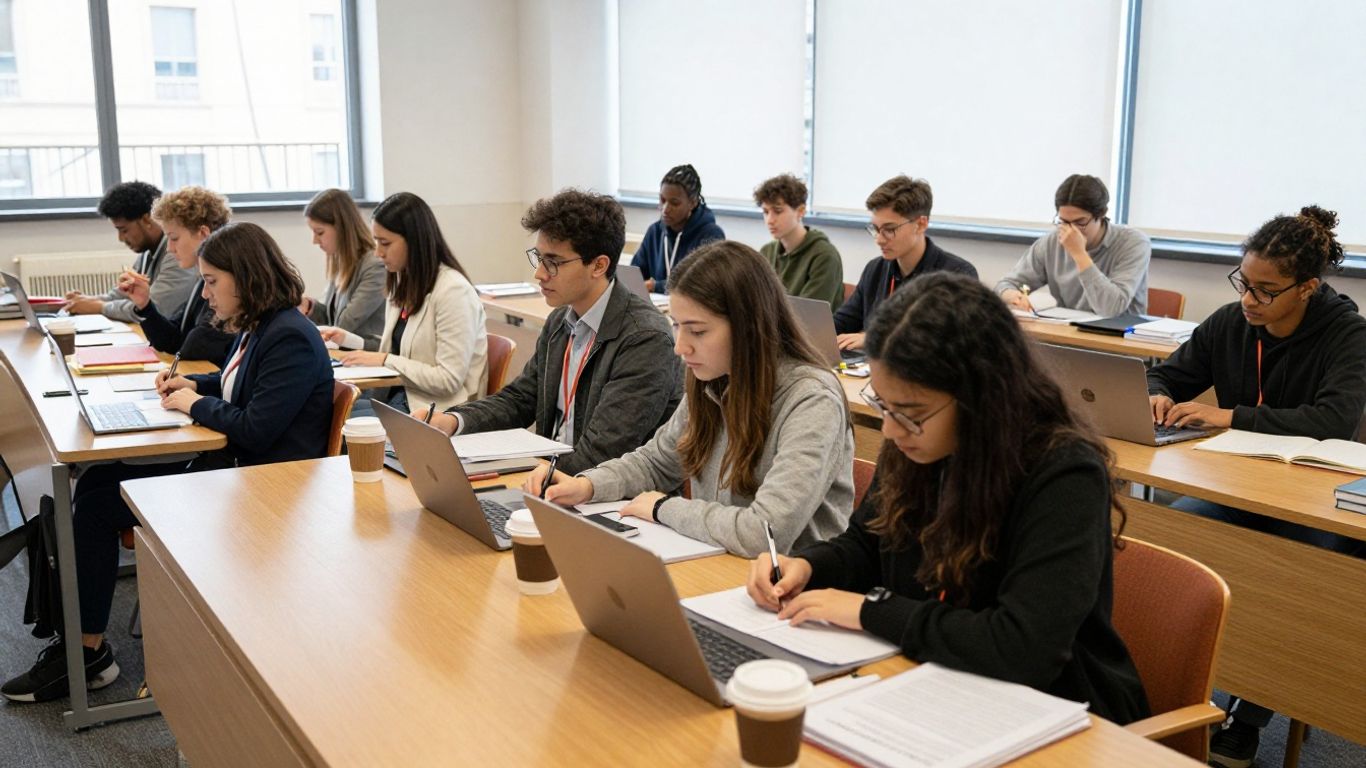
Mandatory management modules
Students start their journey by building a robust toolkit of management skills necessary for high-level operations. These modules ensure technical competency across several financial and organizational domains required for effective corporate leadership.
Electives in climate and environmental policy
Beyond core business requirements, students have the opportunity to specialize in areas that directly intersect with climate science and regulatory frameworks. These electives bridge the gap between abstract policy goals and actionable corporate metrics, preparing students to handle the intricacies of modern environmental management.
Practical capstone projects with corporate partners
Practical application constitutes a vital aspect of the educational journey. Through these projects, students address real-world business hurdles alongside industry experts to develop effective CSR policies that demonstrate measurable, sustainable impact.
Admissions process and requirements
Academic prerequisites for international candidates
Applicants should possess a strong undergraduate background, typically in social sciences, economics, or relevant management fields. While no specific technical scientific prerequisite is mandatory for this degree, a demonstrated willingness to engage with quantitative analysis is highly valued.
Language proficiency and test requirements
The entire degree is taught in English, requiring proof of high proficiency for non-native speakers through standardized tests. Fluency is a crucial enabler for navigating the diverse international environment and collaborating effectively with peers across borders.
Crafting a compelling personal statement
Candidates are encouraged to highlight how their previous experiences align with the specific goals of the master’s program. A strong application bridges personal ambition with the school's commitment to social impact and rigorous professional responsibility.
Career prospects and industry impact
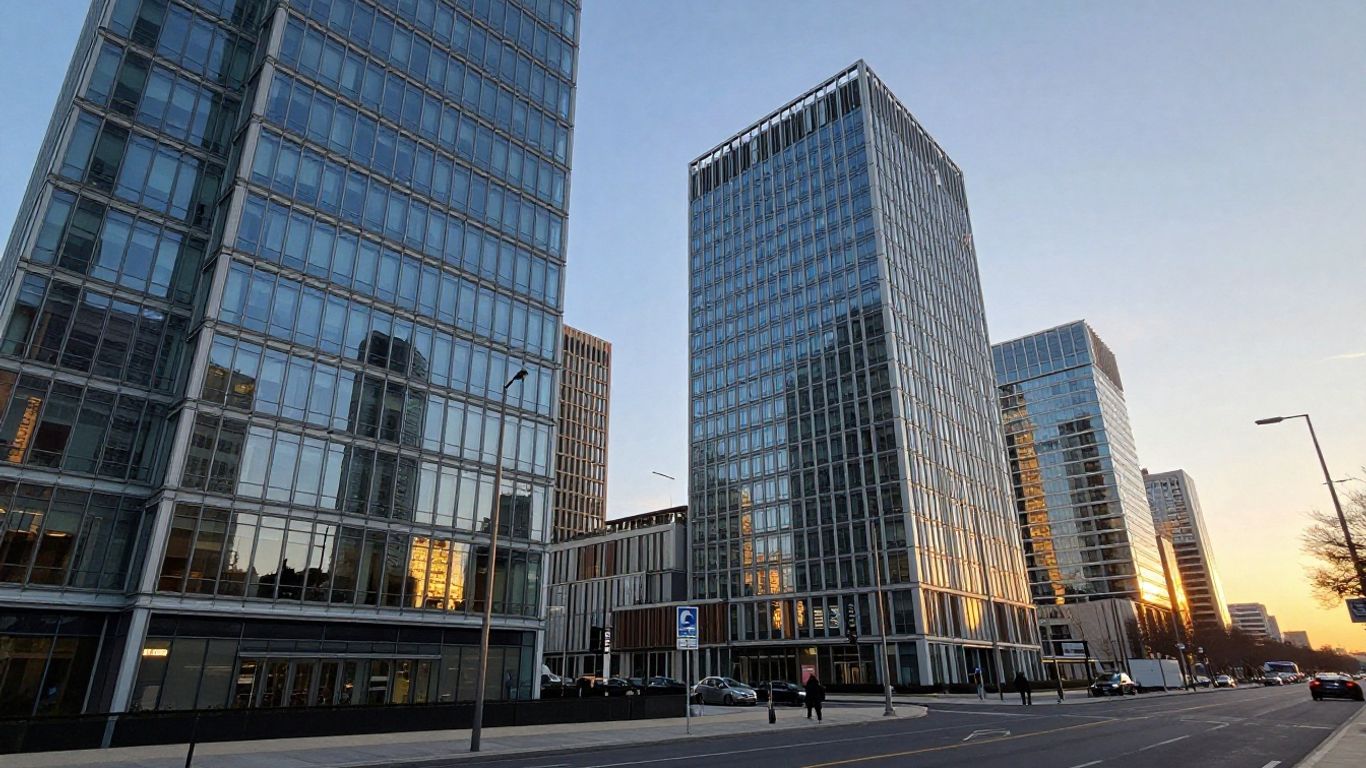
Sectors recruiting from the program
Graduates command respect across a diverse set of industries ranging from international consulting agencies to agile entrepreneurial ventures. Employers actively scout these individuals to integrate sustainable practices into legacy operations, often utilizing business and social responsibility examples to guide their organizational transition.
Leveraging the Sciences Po alumni network
Successful graduates gain entry into a vast, powerful community of professionals distributed throughout key financial and regulatory hubs. This network acts as a professional accelerator, providing mentorship, networking, and direct access to high-impact career opportunities. If you are seeking to book a demo for specialized corporate software that supports these initiatives, these alumni often highlight how structured workflows drive success.
Roles in CSR and sustainable consulting
Many alumni pursue careers directly contributing to the ecological transition in sectors like finance, strategy, and CSR management. Their daily work involves translating high-level environmental mandates into daily business practices that stakeholders understand.
- Impact assessment and reporting
- Corporate sustainability strategy formulation
- Regulatory compliance and transparency verification
- Environmental footprint mitigation planning
Living and learning in Paris
The professional environment of Paris
Paris serves as a dynamic hub for students to observe the interaction between large firms and international regulatory bodies. This city environment provides an unparalleled backdrop for understanding how major corporations balance European market demands with global sustainability commitments.
Accessing internships in the European market
Students frequently capitalize on the proximity to headquarters of major multinational industrial firms, which often recruit interns from the program. These roles provide critical experience that transforms theoretical knowledge into a tangible record of professional aptitude.
Benefits of the international campus atmosphere
Living in a city like Paris while studying within a diverse cohort encourages students to view international markets through multiple cultural and economic lenses. This atmosphere is conductive to robust debates that refine a student's own approach to leadership in a multicultural world, especially when considering implementing email test tools across fragmented operational landscapes.
Tips for prospective students
Preparing for the rigorous interview stage
Applicants should arrive at the interview ready to discuss contemporary issues in sustainable development and their own visions for responsible management. Displaying a clear grasp of global trends and the capacity for analytical thought is crucial for standing out in the process.
Balancing management theory with practical experience
Success in this program depends on one's ability to weave together abstract academic concepts with real-world application. Prospective students should look for opportunities to test their ideas during professional engagements or research projects to ensure their understanding is grounded in reality.
Funding your studies and scholarship options
Financing a graduate education is an essential consideration, and several scholarship pots exist for high-achieving international applicants. It is recommended that you investigate institutional awards and external funding sources early to ensure robust financial planning for your time in Paris.
Conclusion
Choosing the program at Sciences Po empowers you to lead with a combination of management expertise and ethical rigor, ensuring you are prepared to address the fundamental challenges faced by modern organizations in a changing global landscape.
Frequently Asked Questions
Is prior professional experience required for admission to this program?
While work experience is not strictly required for applicants to be considered, any prior internships or roles in management or sustainable development will certainly strengthen your overall application profile.
How does the curriculum address both business strategy and sustainability?
Each course is specifically designed to reconcile profitability with responsible growth, ensuring that all tactical business recommendations consider long-term environmental outcomes and societal governance.
Are there opportunities for international students to work in France after graduation?
Yes, many international students find opportunities to work in France following their studies, utilizing the professional networks and internship experiences they built throughout their two-year program in Paris.
Does the program provide technical training in climate science?
The degree focuses primarily on the strategic and managerial applications of sustainability, prioritizing decision-making and business framework analysis over the technical laboratory sciences involved in climate research.
Can students switch tracks during the course of the program?
Track selection usually occurs early in the program to ensure that your coursework aligns with your core professional goals, though you should consult the academic coordinators about specific administrative policies.
How does the Grand Oral examination work?
The Grand Oral is an individual examination that tests your ability to think critically and express your understanding of complex topics, serving as a final evaluation of your academic journey and professional development.
Is the program exclusively focused on the European market?
Although the program’s location in Paris invites a focus on regional regulations and companies, the case studies and theoretical models covered are designed to be globally applicable across various international jurisdictions.