
Embrace the 'Reuse, Recycle, Repair' Mantra for a Sustainable Future
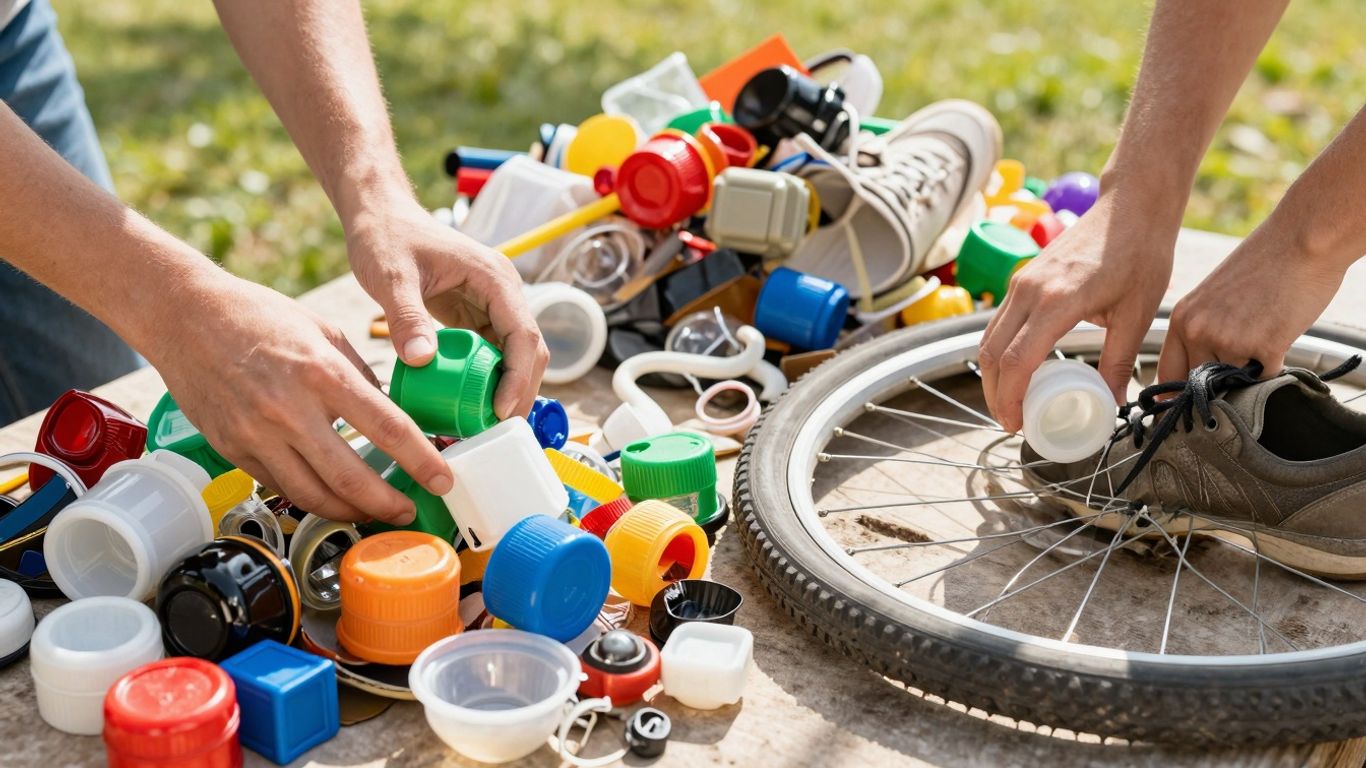
We hear a lot about saving the planet these days, and sometimes it feels like a huge, overwhelming task. But honestly, it doesn't have to be. There are simple, everyday things we can all do. Think about the 'reuse, recycle, repair' mantra. It's not just some catchy phrase; it's a practical way to cut down on waste and be kinder to the Earth. Let's break down how we can actually make this work in our lives, from buying less stuff to fixing what we already have.
Key Takeaways
- The 'reuse, recycle, repair' approach prioritizes reducing what we use first, then finding ways to use things again, and finally, recycling as a last step.
- Making mindful choices about what we buy and use helps us consume less, which is the best way to lower our environmental impact.
- Giving items a second life through creative repurposing, donating, or swapping them keeps them out of landfills and saves resources.
- Learning to repair things, whether yourself or by finding local services, extends the life of products and reduces waste.
- Properly sorting and recycling materials helps turn old items into new ones, closing the loop and conserving raw materials.
Understanding The Reuse Recycle Repair Mantra
In our push for a healthier planet, you've probably heard the phrase "Reduce, Reuse, Recycle" a lot. It's more than just a catchy slogan; it's a practical guide for how we handle the stuff we use and eventually get rid of. Think of it as a hierarchy, a set of priorities for making better choices. The idea is to tackle waste before it even becomes a problem.
The Hierarchy Of Sustainable Choices
This isn't just a random order; it's a smart way to think about our impact. At the top is reducing what we consume in the first place. This means buying less, choosing items with less packaging, and generally being more mindful about what we bring into our lives. It's about preventing waste from the get-go. Then comes reusing. This is where we give items a second, third, or even fourth life. It could be using a glass jar for storage, passing down clothes, or fixing something that's broken instead of tossing it. Finally, at the bottom of the hierarchy, is recycling. While important, recycling is really the last resort for materials that can't be reduced or reused. It's about turning old things into new things, but it still takes energy and resources.
A Timeless Environmental Guide
This mantra isn't new. It gained traction decades ago as people started to really understand the impact of our throwaway culture. It's a simple, yet powerful, reminder that our actions have consequences for the environment. It encourages us to pause and consider the lifecycle of the products we use. Making these principles a habit is key to living more sustainably.
Building A Circular Economy
When we follow the reduce, reuse, repair, and recycle steps, we're essentially moving away from a linear "take-make-dispose" model. Instead, we're helping to build a circular economy. This is a system where resources are kept in use for as long as possible, extracting the maximum value from them, and then recovering and regenerating products and materials at the end of their service life. It's about closing the loop, so less ends up in landfills and less raw material needs to be extracted from the earth.
The core idea is to keep resources circulating within the economy, minimizing waste and the need for new raw materials. It's a shift from thinking about waste as an endpoint to seeing it as a potential resource for something new.
Embracing Reduction For A Lighter Footprint
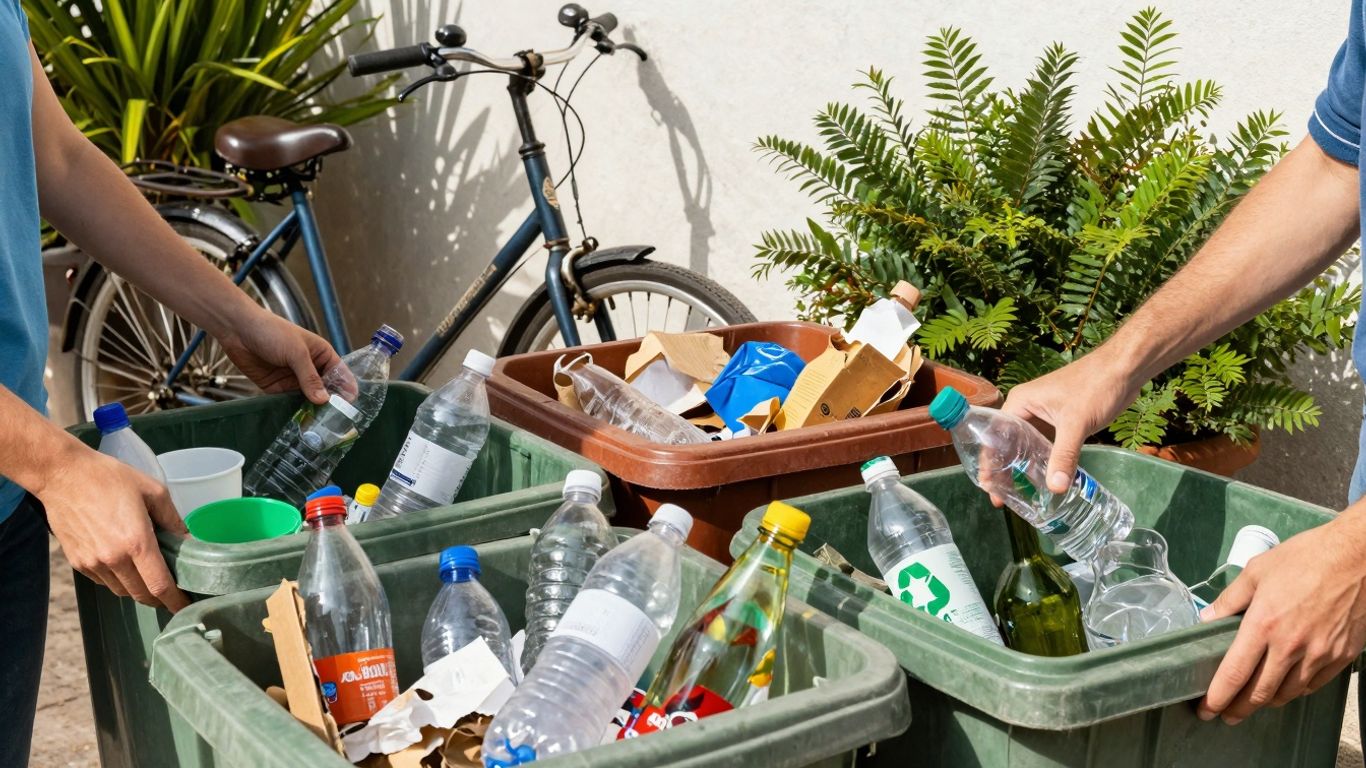
Before we even think about reusing or recycling, the most impactful step we can take is to simply use less. It sounds obvious, right? But in our fast-paced world, it's easy to get caught up in buying new things without really considering if we need them. Reducing our consumption is the first and most powerful way to lessen our environmental impact. It's about being more mindful of our choices and understanding that every purchase has a consequence.
Mindful Consumption Habits
This is all about pausing before you buy. Ask yourself: Do I really need this? Will I use it often? Is there a way to get this item without buying it new? Sometimes, just taking a moment to think can stop an unnecessary purchase in its tracks. It’s about shifting from impulse buys to intentional acquisitions. Think about clothing, for instance. Instead of chasing every fleeting trend, consider investing in a few quality pieces that you truly love and will wear for years. This approach not only cuts down on waste but also saves you money in the long run. Choosing products with minimal packaging is another smart move. That extra plastic wrap or cardboard box often ends up straight in the bin, contributing to landfill issues. Look for items sold in bulk or those with simpler, recyclable packaging. It might take a little extra effort at the store, but it makes a big difference.
Conserving Energy And Water
Reducing our footprint isn't just about physical stuff; it's also about how we use resources like energy and water. Simple habits can add up. Turning off lights when you leave a room, unplugging electronics when they're not in use (even chargers draw a small amount of power!), and taking shorter showers are all easy wins. Fixing leaky faucets might seem like a small thing, but those drips can waste gallons of water over time. Consider upgrading to energy-efficient appliances when it's time for a replacement, and switch to LED light bulbs. These changes might have a small upfront cost, but they pay off in lower utility bills and a reduced strain on our planet's resources. It’s about being conscious of the flow of energy and water in your home.
The Power Of Minimalism
Minimalism, at its heart, is about intentionally living with only the things you truly need and love. It's not about deprivation; it's about freedom from clutter and a focus on what truly matters. When you declutter your space, you often realize how much you don't need. This can be a really liberating experience. It also makes it easier to stick to your reduction goals because you're less tempted to buy things you don't have space for or that just add to the mess. Embracing minimalism means you're more likely to appreciate what you have and less likely to fall into the trap of constant acquisition. It's a lifestyle choice that naturally leads to less waste and a lighter footprint on the earth. You can start by decluttering one area of your home, like a closet or a drawer, and see how it feels. It’s a journey, not a destination, and every step towards owning less is a step towards a more sustainable way of living. For more on making conscious choices, check out sustainable waste management.
Reducing our consumption is the most effective way to combat waste. By being more intentional about what we buy and how we use resources, we can significantly decrease our environmental impact before waste even becomes an issue. This proactive approach is key to a lighter footprint.
Giving Items A Second Life Through Reuse
So, we've talked about using less in the first place, which is awesome. But what about all the stuff we already have? That's where reuse really shines. It’s like giving your belongings a second chance at life, keeping them out of the trash heap and saving you some cash too. Thinking about what something could be instead of what it is right now is the key.
Creative Repurposing Ideas
Honestly, the possibilities here are pretty wild, limited mostly by your imagination. Take those glass jars from your pasta sauce or pickles. Instead of tossing them, clean them up and boom – instant storage for your spices, buttons, or even little plants. Plastic bottles? Cut the tops off and they become mini greenhouses for starting seeds. Or maybe you have an old dresser that’s seen better days. With a bit of paint and maybe some new hardware, it could be a cool kitchen island or a unique storage unit.
Here are a few more ideas to get you started:
- Old T-shirts: Cut them into rags for cleaning, or if you're feeling crafty, sew them into tote bags or pillow covers.
- Wooden Pallets: These can be turned into garden planters, outdoor furniture, or even wall shelves.
- Tin Cans: Cleaned and painted, they make great organizers for pens, brushes, or kitchen utensils.
- Chipped Dishes: Break them up and use the pieces for mosaic art on stepping stones or planters.
It’s amazing what you can do with things that might otherwise end up in the bin. It’s a fantastic way to add personal touches to your home and reduce the need to buy new things. You can find tons of inspiration for creative reuse online.
The Joy of Donations and Swaps
Not everything needs a complete makeover. Sometimes, the best way to give an item a second life is to simply pass it on to someone who can use it. Think about clothes you've outgrown, furniture that doesn't fit your current space, or books you've already read. Donating these items to local charities or shelters is a win-win. They get much-needed items, and you get the satisfaction of knowing you've helped someone else.
Community sharing is also a big deal. Platforms and local groups focused on giving things away for free are popping up everywhere. It’s a great way to declutter your home and connect with neighbors, all while keeping perfectly good items out of landfills. Swapping items with friends or family is another fun way to refresh your belongings without spending money.
Extending Product Lifespans
Beyond creative projects and donations, simply taking better care of what you own is a form of reuse. This means maintaining your belongings so they last longer. For example, using a reusable water bottle instead of buying bottled water every time, or bringing your own coffee cup to the cafe. It might seem small, but these habits add up.
When we choose to reuse, we're not just reducing waste; we're actively participating in a more thoughtful way of living. It's about appreciating the resources that went into making things and giving them the longest, most useful life possible. This mindset shift is powerful.
Think about your appliances, your tools, your clothes. Are you storing them properly? Are you cleaning them regularly? Small efforts in maintenance can significantly extend how long you can use something, delaying the need to buy a replacement and saving resources in the long run.
The Art Of Repairing And Maintaining Goods
Sometimes, things just break. It happens to all of us, right? My toaster started making a weird buzzing noise last week, and my first thought was, 'Great, another thing to replace.' But then I remembered the whole 'repair' part of our mantra. Fixing things instead of tossing them is a huge win for sustainability. It saves resources, cuts down on waste, and honestly, can be pretty satisfying when you get it right.
Finding Local Repair Services
When something's beyond your own tinkering skills, don't despair. There are people out there who can help. Think about your local cobbler for shoes, a watch repair shop for that old timepiece, or even appliance repair folks. These services keep items out of landfills and support local businesses. It's a win-win, really. You might be surprised at how many places still offer these kinds of repairs. A quick search online or asking around your neighborhood can often point you in the right direction. For more complex items, like electronics, finding a specialized repair shop is key. You can often find these services through online directories or by checking with the original manufacturer for recommendations. It's worth the effort to see if a repair is possible before buying new.
DIY Repair Skills
Okay, so maybe you're feeling a bit more adventurous. Learning some basic DIY repair skills can be incredibly useful. It doesn't mean you need to become a master mechanic overnight. Start small. Maybe it's sewing a button back onto a shirt, fixing a leaky faucet, or learning how to properly re-glue a wobbly chair leg. There are tons of resources out there, like YouTube tutorials and online forums, that can guide you through simple fixes. Having a few basic tools and a willingness to try can save you a lot of money and hassle. Plus, there's a real sense of accomplishment when you fix something yourself. It's a great way to build confidence and become more self-sufficient.
Repair Cafes: Community Solutions
This is where things get really interesting. Repair cafes are popping up in communities everywhere. They're basically events where volunteers with various skills gather to help people fix their broken items for free. You can bring in anything from a lamp that won't turn on to a torn piece of clothing. It's not just about the repair itself; it's about sharing knowledge and building community. You can learn from the volunteers, and they can learn from you. It's a fantastic way to extend the life of your belongings and connect with like-minded people. These events are a testament to what we can achieve when we work together. They show that repair is not just an individual act but a collective effort.
The mindset shift from 'dispose and replace' to 'repair and maintain' is a powerful one. It requires us to see the inherent value in the things we own and to invest a little time and effort in their upkeep. This approach not only benefits our wallets but also significantly reduces our environmental impact by diverting waste from landfills and conserving the resources needed to produce new goods.
Recycling: Closing The Loop On Waste
Recycling is that third R, the one that takes things we're done with and gives them a whole new life. It’s about turning what looks like trash into something useful again, stopping it from just piling up in landfills. Think of it as a big circle where materials get used, then remade, then used again. This process really helps cut down on needing brand new stuff, which saves a lot of energy and natural resources.
Navigating Local Recycling Programs
Every town or city has its own way of doing things when it comes to recycling. What one place accepts, another might not. It’s super important to get familiar with your local rules. You can usually find this info on your city’s website or by calling them up. Knowing what goes in the bin is half the battle. This helps avoid contamination, which is when the wrong stuff gets mixed in and can ruin a whole batch of recyclables. Some common items that cause confusion include plastic bags, certain types of plastic containers, and greasy pizza boxes. Always check first!
The Importance Of Sorting
Once you know what your program takes, the next step is sorting. This means separating your recyclables from your regular trash. It sounds simple, but doing it right makes a huge difference. When materials are sorted properly at home, it makes the whole recycling process much smoother and more efficient at the processing plant. It means less manual sorting is needed and fewer items end up being sent to the landfill anyway because they were mixed incorrectly.
Here’s a quick rundown of common categories:
- Paper and Cardboard: Newspapers, magazines, junk mail, cardboard boxes (flattened).
- Plastics: Check the numbers on the bottom of containers. Your local program will specify which numbers they accept.
- Glass: Jars and bottles (usually separated by color).
- Metals: Aluminum cans, steel and tin cans.
Supporting Products Made From Recycled Materials
Recycling doesn't just stop at putting things in the bin. To really close the loop, we need to buy things made from recycled stuff. When you choose products that use recycled content, you're sending a message to manufacturers that there's a demand for these materials. This creates a market for recycled goods and makes the whole recycling system more sustainable. Look for labels that indicate recycled content. It’s a simple way to support the industry and make your recycling efforts count for more. You can even find resources that help you calculate your carbon footprint and see how your choices impact the environment.
Collective Action For A Greener Tomorrow
Community Engagement In Sustainability
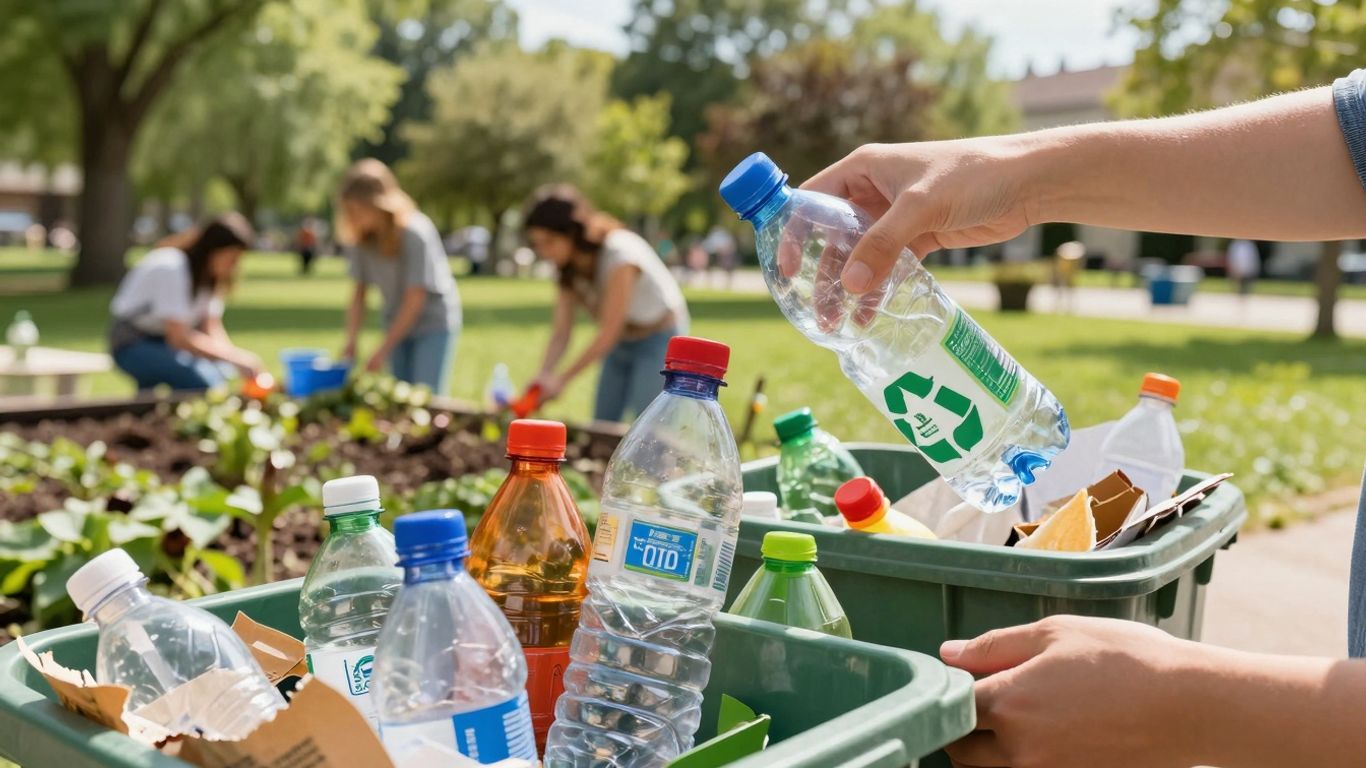
Look, we all know that doing our bit as individuals is important. But honestly, when we team up, that's when things really start to move. Think about it: one person picking up a stray wrapper is good, but a whole neighborhood doing a clean-up? That makes a real statement and gets a lot more done. Getting involved locally, whether it's joining a group that tidies up parks or helping out with a recycling drive, shows a commitment that goes beyond just our own homes. It builds a shared sense of responsibility.
- Neighborhood Clean-Up Events: Organize or join regular clean-ups in your local area.
- Local Recycling Education: Support or start initiatives that teach people how to recycle better.
- Community Gardens: These often reduce food waste and promote local, sustainable food sources.
When communities come together, the impact of individual actions multiplies. It's about creating a ripple effect that encourages more people to participate and adopt sustainable practices.
Sharing Knowledge And Inspiring Others
It's easy to think you know all there is to know about recycling or reducing waste, but there's always something new to learn, and more importantly, something to share. Not everyone has the same information, and sometimes a simple chat can make a big difference. If you live in an apartment building, maybe put up a little sign with recycling tips in the common area. Or just talk to your friends and family about what you're doing. Sharing what works for you can inspire someone else to try it too. It doesn't have to be a big lecture; just casual conversations can plant seeds.
Establishing Consistent Waste Management Routines
Making sustainability a habit means having a system. It’s not just about recycling when you remember; it’s about having a routine. This means having your bins ready, knowing what goes where, and sticking to it. For families, this might mean assigning tasks so everyone is involved. It helps keep things tidy and prevents that dreaded moment when the recycling bin is overflowing because you forgot to take it out.
Here’s a simple way to think about setting up routines:
- Designate Bin Locations: Make sure recycling and compost bins are easily accessible and clearly marked.
- Schedule Collection Days: Know your local pickup schedule and set reminders if needed.
- Regular Purge Sessions: Set aside time weekly or bi-weekly to sort through items that can be reused, donated, or recycled.
Tracking how much you're diverting from landfills can also be a good motivator. Seeing that number go up shows you that your efforts are paying off.
Let's work together for a healthier planet! Join us in making a real difference for a brighter, greener future. Visit our website today to learn how you can get involved and be part of the change.
Making 'Reuse, Recycle, Repair' Our Everyday
So, we've talked a lot about why cutting back, finding new uses for things, and fixing what's broken are so important for our planet. It's not about being perfect overnight, but about making small changes that add up. Think about it: bringing your own bag to the store, fixing that wobbly chair instead of buying a new one, or just being more mindful before you click 'buy'. These aren't huge sacrifices, but they really do make a difference. By choosing to reuse, recycle, and repair, we're not just dealing with trash; we're building a better, cleaner world for everyone, now and for the future. Let's make these habits stick.
Frequently Asked Questions
What does 'Reduce, Reuse, Recycle' actually mean?
Think of it as a plan for dealing with stuff we don't need anymore. 'Reduce' means using less stuff in the first place. 'Reuse' means finding new ways to use things instead of throwing them away. 'Recycle' is when we turn old things into new things. It's like a step-by-step guide to help our planet.
Why is reducing important before reusing or recycling?
Reducing is the best because it stops waste before it even starts! If we use less, we don't need to worry as much about reusing or recycling. It saves energy and resources from the very beginning, making it the most helpful step for the environment.
Can you give some simple examples of reusing items?
Sure! Instead of buying new water bottles, use a reusable one. Old jars can become pencil holders or storage for snacks. You can also give clothes you've outgrown to someone else or turn old t-shirts into cleaning rags. It's all about giving things another chance!
How can I be better at recycling at home?
First, find out what your town or city accepts for recycling. Then, rinse out containers and sort your recyclables correctly. Putting the wrong things in can mess up the whole batch. Buying things made from recycled materials also helps a lot!
What is a 'Repair Cafe'?
A Repair Cafe is a community event where people can bring broken items, like toasters or clothes, and volunteers help fix them for free. It's a great way to learn how to repair things yourself and keep items out of the trash.
How does doing these things help the planet?
When we reduce, reuse, and recycle, we use fewer natural resources like trees and metals. We also create less trash that goes into landfills, which can pollute the land and water. Plus, making new things often uses a lot of energy, so using old things saves energy and reduces pollution.