
Demystifying Scope 1 Emissions: Your Essential Guide to Direct Greenhouse Gas Accounting
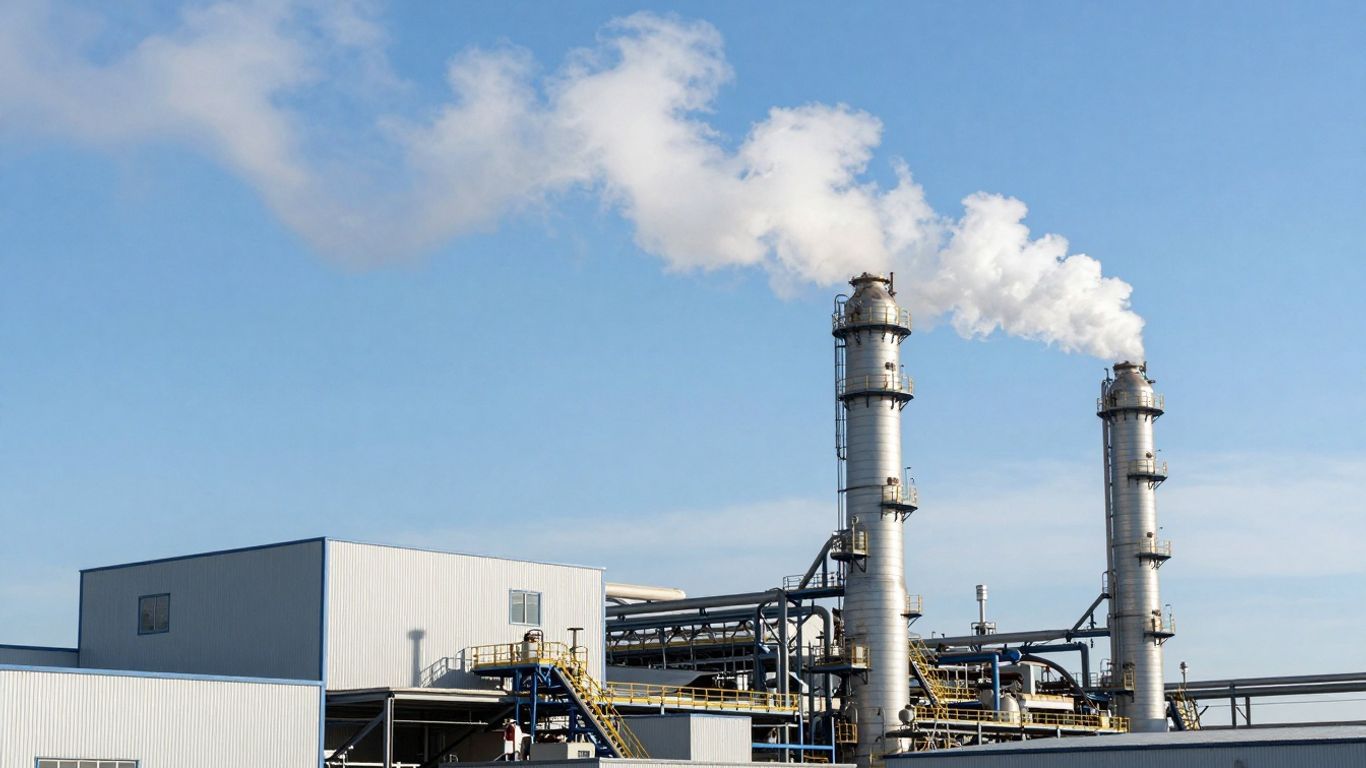
So, you're trying to get a handle on your company's carbon footprint, right? It can seem like a big, confusing mess at first, especially with all the different 'scopes' people talk about. But honestly, it's not as complicated as it sounds. We're going to break down what Scope 1 emissions are – the ones you have the most direct control over. Think of it as looking at the smoke coming right out of your own chimney, not the power plant miles away. Understanding these direct emissions is the first, and maybe easiest, step to making your business greener.
Key Takeaways
- Scope 1 emissions are the direct greenhouse gases released from sources your company owns or controls, like burning fuel in your own vehicles or furnaces.
- Common sources include fuel combustion in owned equipment, leaks from systems (fugitive emissions), and emissions from industrial processes.
- Measuring Scope 1 involves collecting data on fuel use and applying emission factors to calculate totals in CO2 equivalents.
- Reducing Scope 1 emissions often means upgrading equipment to be more efficient, switching to cleaner fuels, or fixing leaks promptly.
- While Scope 1 might be a smaller part of your total carbon footprint compared to Scope 2 and 3, it's where you have the most direct ability to make changes and see results.
Understanding Scope 1 Emissions: Direct Contributors
Alright, let's talk about Scope 1 emissions. Think of these as the greenhouse gases that come straight out of your company's own pipes, chimneys, or tailpipes. These are the emissions you have the most direct control over because they originate from sources you own or manage. It's like tracking the smoke from your own barbecue – you know exactly where it's coming from and what's causing it. This makes them a really important starting point when you're trying to figure out your company's total carbon footprint.
Defining Scope 1: Direct Greenhouse Gas Accounting
So, what exactly are we talking about when we say "Scope 1"? In simple terms, it's all the greenhouse gases released directly from activities happening within your company's boundaries. This isn't about the electricity you buy or the emissions from your suppliers; it's about what's happening right there on your property or with your equipment. The Greenhouse Gas Protocol, which is kind of the go-to rulebook for this stuff, defines Scope 1 emissions as those from stationary combustion (like furnaces), mobile combustion (like company cars), and any fugitive emissions (think leaks).
Common Sources of Scope 1 Emissions
Where do these direct emissions usually pop up? You'll find them in a few key places:
- Fuel Combustion: This is a big one. Burning fuels like natural gas, oil, or propane in your own boilers, furnaces, water heaters, or generators to produce heat or power. It also includes the gasoline or diesel burned in company-owned vehicles, like delivery trucks or company cars.
- Fugitive Emissions: These are unintentional releases. Think about leaks from refrigeration and air conditioning systems that use refrigerants, or methane leaks from natural gas pipelines or storage tanks that your company operates.
- Process Emissions: Sometimes, the actual manufacturing process itself releases greenhouse gases. This can happen in industries like cement production or chemical manufacturing, where chemical reactions directly emit gases.
It's important to remember that Scope 1 emissions are measured in carbon dioxide equivalents (CO2e). This is a way to standardize different greenhouse gases, like methane and nitrous oxide, by converting them into the equivalent amount of CO2 that would cause the same amount of warming.
Measuring Scope 1 Emissions in CO2 Equivalents
Okay, so you've identified your sources. Now what? You need to measure them. The goal is to get a number that represents your total impact, and that's where CO2 equivalents (CO2e) come in. Different greenhouse gases have different warming powers. For example, methane is much more potent than carbon dioxide over a shorter period. To get a single, comparable number, we use what are called Global Warming Potentials (GWPs). These GWPs, usually calculated over a 100-year period, tell us how much warming a specific gas causes compared to CO2. So, you'll take the amount of each gas you emit (like methane from a leak) and multiply it by its GWP. Add all those up, and you get your total Scope 1 emissions in CO2e. It's a bit like converting different currencies to a single one so you can see your total wealth.
Identifying Your Scope 1 Emission Sources
Alright, so you've got your head around what Scope 1 emissions actually are – the direct ones from stuff you own or control. Now comes the detective work: figuring out exactly where these emissions are coming from within your operations. It's not always obvious, but it's super important because these are the emissions you have the most direct control over. Think of it like finding the leaky faucet in your own house; you know it's yours, and you can actually fix it.
Fuel Combustion in Owned Equipment
This is probably the most common place to look for Scope 1 emissions. Basically, anytime you burn fuel on-site to power something you own, you're generating direct emissions. This covers a pretty wide range of activities:
- Vehicles: Company cars, trucks, vans, forklifts – anything with an engine that runs on gasoline, diesel, or other fuels and is owned by your business.
- Heating Systems: Boilers and furnaces that burn natural gas, oil, or propane to heat your buildings or industrial processes.
- Generators: Backup generators or portable generators that run on diesel or gasoline.
- Industrial Equipment: Specific machinery used in manufacturing or processing that requires direct fuel combustion.
To get a handle on this, you'll need to track the type and amount of fuel you're using. Think about keeping records of fuel purchases or meter readings for on-site storage tanks. It's all about the direct burn.
Fugitive Emissions from Operations
These are the sneaky ones. Fugitive emissions aren't from burning fuel, but rather from unintentional leaks or releases of greenhouse gases. They often happen during the handling, storage, or processing of fuels and other materials. For many businesses, this might involve:
- Refrigeration and Air Conditioning: Leaks from AC units or refrigerators that use refrigerants like HFCs. These can be potent greenhouse gases, even in small amounts.
- Natural Gas Leaks: If you use natural gas, there can be small leaks from pipes, valves, or storage equipment.
- Industrial Processes: Certain chemical processes or the handling of specific materials can release greenhouse gases directly.
Identifying these requires a bit more specialized attention, often involving regular inspections and maintenance. Sometimes, you might need specific equipment to detect these leaks, especially for gases like methane.
Process Emissions from Industrial Activities
This category is a bit more specific to certain industries, particularly manufacturing and heavy industry. It refers to emissions that are an inherent part of a chemical or physical process, rather than from fuel combustion. For example:
- Cement Production: The chemical process of making cement releases CO2.
- Chemical Manufacturing: Certain reactions in producing chemicals can emit GHGs.
- Waste Treatment: On-site wastewater treatment or landfill operations can release methane and nitrous oxide.
Figuring out process emissions often means looking at the core chemistry or physics of your operations. It's not about the energy you use to run the machinery, but about the reactions happening within the machinery or materials themselves. This can be complex, but it's a direct source of emissions that needs to be accounted for.
So, to sum it up, you're looking at burning fuels, accidental leaks, and emissions that are just part of how certain industrial things are made. Each one needs a slightly different approach to track and measure, but they all fall under that direct Scope 1 umbrella. Getting a clear picture here is the first big step in actually reducing your carbon footprint.
Calculating and Accounting for Scope 1
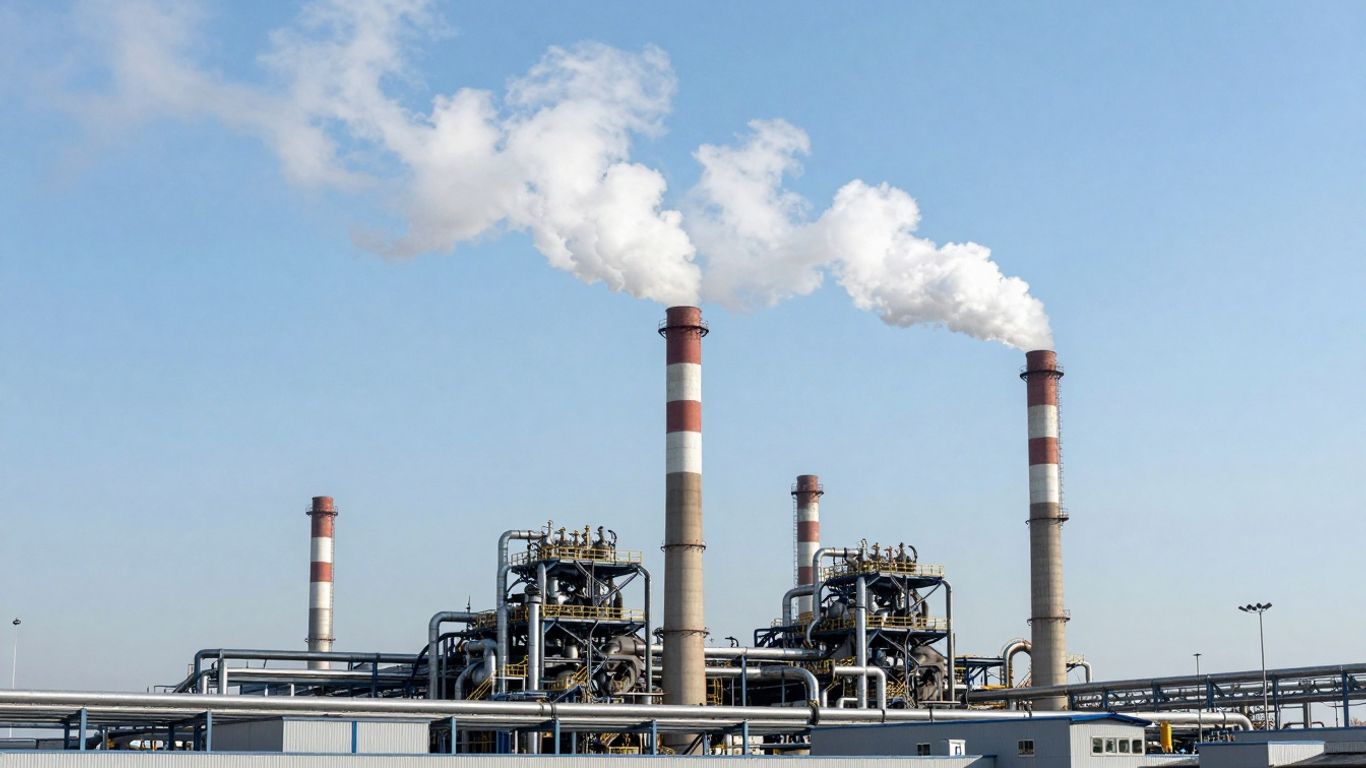
Alright, so you've figured out where your direct emissions are coming from. That's a big step! Now comes the part where we actually put some numbers to it. This is where we get down to the nitty-gritty of calculating and accounting for those Scope 1 emissions. It's not as scary as it sounds, honestly.
Data Collection for Direct Emissions
First things first, you need good data. Think of it like gathering ingredients before you bake. For Scope 1, this means tracking down information about all the stuff that burns fuel or releases gases directly from your operations. This could be:
- Fuel purchase records (like diesel for your trucks, natural gas for your heating systems, propane for your forklifts).
- Usage logs for company-owned vehicles and equipment.
- Records of any refrigerants used and their types (and how much you might have lost over time).
- Data on any industrial processes that release greenhouse gases as part of their normal operation.
The more accurate your data, the more reliable your emission calculations will be. It’s really about being thorough here. You might need to talk to your fleet manager, your facilities team, or even your production line supervisors to get all the details.
Applying Emission Factors
Once you have your activity data (like gallons of diesel used or cubic feet of natural gas burned), you need to convert that into greenhouse gas emissions. This is where emission factors come in. Think of an emission factor as a multiplier that tells you how much CO2 equivalent is released for every unit of fuel burned or activity performed. These factors are usually provided by government agencies or international bodies and are specific to different types of fuels and activities.
For example, there's a specific emission factor for burning natural gas, another for diesel, and so on. You'll take your total fuel consumption for a given period and multiply it by the relevant emission factor. The result is your emission in CO2 equivalents (CO2e), which is the standard way to report greenhouse gases because it accounts for the different warming impacts of gases like methane and nitrous oxide compared to carbon dioxide.
Here’s a simplified look:
Setting Boundaries for Scope 1 Accounting
This part is super important. You need to clearly define what's in and what's out when you're calculating your Scope 1 emissions. This is called setting your organizational and operational boundaries. Basically, you're deciding which facilities, which vehicles, and which activities count towards your company's direct emissions.
- Organizational Boundaries: This is about ownership and control. Do you own the building? Do you control the fleet of vehicles? If you lease equipment but have full operational control, those emissions usually count. If you only have a minority stake in a joint venture, you might only account for your share.
- Operational Boundaries: This is about the specific sources within your organization. You'll include things like boilers, furnaces, and company vehicles. You'll also need to decide how to handle things like fugitive emissions from leaks – are you going to estimate them, or measure them directly?
Setting clear boundaries prevents double-counting and makes sure your reporting is consistent year after year. It’s the foundation for understanding your true direct impact.
Getting this right means you're not accidentally including emissions from another company or leaving out significant sources that you actually control. It’s all about being honest and precise with your accounting.
Strategies for Reducing Scope 1 Emissions
Alright, so we've talked about what Scope 1 emissions are and where they come from. Now, the big question: what can we actually do about them? The good news is, since these are direct emissions from your own operations, you often have the most control here. Think of it as the low-hanging fruit of carbon reduction. Focusing on these direct sources can lead to quick wins and show real commitment.
Electrification and Efficiency Improvements
This is a big one. A lot of Scope 1 emissions come from burning fuels in equipment you own – think boilers, furnaces, or company vehicles. Switching these over to electric alternatives can make a huge difference. Electric vehicles (EVs) are becoming more common for company fleets, and for heating, electric heat pumps are a solid option. Even if you can't go fully electric right away, improving the efficiency of your current equipment is a smart move. A more efficient boiler, for instance, burns less fuel, meaning fewer emissions. It's a win-win because it usually saves you money on energy bills too.
Fuel Switching to Lower Carbon Options
Sometimes, electrification isn't practical for certain industrial processes. In those cases, switching to lower-carbon fuels is the next best step. This could mean moving from traditional natural gas to renewable natural gas (RNG), which is made from organic waste. Another option is using biofuels. These aren't zero-emission, but they typically have a much smaller carbon footprint than fossil fuels. It's about finding the most sensible, lower-impact fuel for processes that are hard to electrify. You can find more information on these alternatives at company vehicle options.
Leak Detection and Maintenance Programs
Fugitive emissions – those sneaky leaks from pipes, valves, and storage tanks – can add up surprisingly fast. For industries like oil and gas, these leaks are a major source of methane, a potent greenhouse gas. Setting up a regular program to detect and fix these leaks is super important. Using tools like infrared cameras can help spot them. Regular maintenance isn't just about preventing leaks; it keeps your equipment running smoothly and safely.
Managing Scope 1 emissions is often about operational upgrades and consistent upkeep. It's where businesses have direct influence, making it a prime area for impactful change. Addressing these direct sources can also improve operational safety and reduce costs associated with energy and potential leaks.
The Role of Scope 1 in Overall Carbon Footprint
Scope 1 vs. Scope 2 and 3 Emissions
So, you've started looking at your company's greenhouse gas emissions, and you're seeing these terms: Scope 1, Scope 2, and Scope 3. It can feel a bit like learning a new language, right? Basically, they're just different ways to categorize where your emissions are coming from. Scope 1 is all about the stuff you directly control – think burning fuel in your own company vehicles or in your factory's furnaces. It's the most straightforward category because you can usually see it happening right in front of you.
Scope 2, on the other hand, covers emissions from the electricity, heat, or steam you buy. Even though the power plant is doing the actual burning, those emissions are tied to your company's energy use. Then there's Scope 3. This is the big, messy one, covering all the other indirect emissions that happen in your company's wider world – like emissions from your suppliers, how your customers use your products, or even your employees commuting to work. For many businesses, Scope 3 emissions are actually the largest chunk of their total carbon footprint, but they're also the hardest to track and influence.
Direct Influence Over Scope 1 Reductions
What's cool about Scope 1 emissions is that you have the most direct control over them. Since these emissions come from sources you own or manage, you can make changes right there. If your company trucks are burning a lot of diesel, you can look into more fuel-efficient models or even electric trucks. If your heating system runs on natural gas, you might explore upgrading to a more efficient unit or switching to a different energy source. It's about looking at your own operations and figuring out where the direct pollution is happening.
Here's a quick look at where you have the most direct say:
- Fuel Combustion: Burning fuels in company-owned boilers, furnaces, vehicles, and machinery.
- Industrial Processes: Emissions released from specific manufacturing or chemical processes you operate.
- Fugitive Emissions: Unintentional releases, like leaks from refrigeration systems or natural gas pipelines you own.
Because you're the one in charge of these sources, making changes here can lead to pretty immediate results in your emissions numbers. It's like cleaning up your own backyard first.
Benefits of Proactive Scope 1 Management
Taking charge of your Scope 1 emissions isn't just about ticking a box for environmental reporting. There are some real upsides to being proactive. First off, it often leads to cost savings. More efficient equipment uses less fuel, and fixing leaks means you're not losing valuable resources. Think about it: less fuel burned means less money spent on fuel. Plus, as regulations around emissions get tighter, getting ahead of the game means you're less likely to face penalties or costly retrofits down the line.
Managing your direct emissions well also builds trust with your customers, investors, and employees. It shows you're serious about sustainability and not just talking about it. This can really boost your company's reputation and make it a more attractive place to work and invest.
Here are some of the key advantages:
- Cost Savings: Reduced fuel consumption and fewer resource leaks often translate to lower operating expenses.
- Regulatory Compliance: Staying ahead of emission standards can prevent fines and future compliance costs.
- Enhanced Reputation: Demonstrating environmental responsibility can improve brand image and stakeholder relations.
- Operational Efficiency: Identifying and fixing issues in your direct operations can lead to smoother, more reliable processes.
Scope 1 emissions are a big part of a company's total carbon footprint. These are the greenhouse gases that come directly from sources a company owns or controls, like company cars or factory smokestacks. Understanding and reducing these direct emissions is a key step for any business aiming to be more eco-friendly. Want to learn more about managing your company's environmental impact? Visit our website today!
Wrapping It Up: Your Next Steps
So, we've gone through what Scope 1 emissions are all about – those direct hits from your own operations. It might seem like a lot to keep track of, but honestly, it's the part you have the most say over. Getting a handle on these direct emissions is a really solid first step for any business wanting to be more climate-friendly. Don't get too bogged down if it's not perfect right away; the goal is progress, not instant perfection. Start with what you can measure, make some changes, and then look at the bigger picture with Scopes 2 and 3. It's a journey, for sure, but a necessary one for the planet and, frankly, for staying relevant.
Frequently Asked Questions
What exactly are Scope 1 emissions?
Think of Scope 1 emissions as the pollution that comes directly from things your company owns or controls. It's like the smoke from your own factory's chimney or the exhaust from your company's delivery trucks. These are the most direct greenhouse gases released from your operations.
Can you give some simple examples of Scope 1 emissions?
Sure! If your company burns fuel in its own boilers to heat a building, that's Scope 1. If you have a fleet of company cars or trucks that run on gasoline or diesel, their exhaust is Scope 1. Even leaks from your air conditioning or refrigeration systems release gases that count as Scope 1.
How do companies measure Scope 1 emissions?
Companies figure out their Scope 1 emissions by tracking how much fuel they burn or how much of certain gases they release. They then use special 'emission factors' – which are like conversion rates – to turn that fuel use or gas release into a measurement of greenhouse gases, usually in a unit called carbon dioxide equivalent (CO2e).
Why is it important to know about Scope 1 emissions?
Knowing your Scope 1 emissions is important because these are the emissions you have the most direct control over. By understanding where they come from, you can make changes, like using more efficient equipment or switching to cleaner fuels, to reduce them directly and lower your company's overall impact on the climate.
What's the difference between Scope 1 and Scope 2 emissions?
Scope 1 emissions are from sources your company owns or controls, like burning fuel on-site. Scope 2 emissions are indirect and come from the electricity you buy from a power company. Even though the pollution happens at the power plant, it's counted as your company's Scope 2 because you're using that energy.
Are there ways to lower Scope 1 emissions?
Absolutely! You can make your equipment more energy-efficient, switch to using electricity instead of burning fossil fuels where possible (like with electric vehicles), or use cleaner fuels like natural gas or biofuels. Regularly checking for and fixing leaks in things like air conditioners also makes a big difference.