
Demystifying Scope 1, 2, and 3 Emissions: A Comprehensive Guide
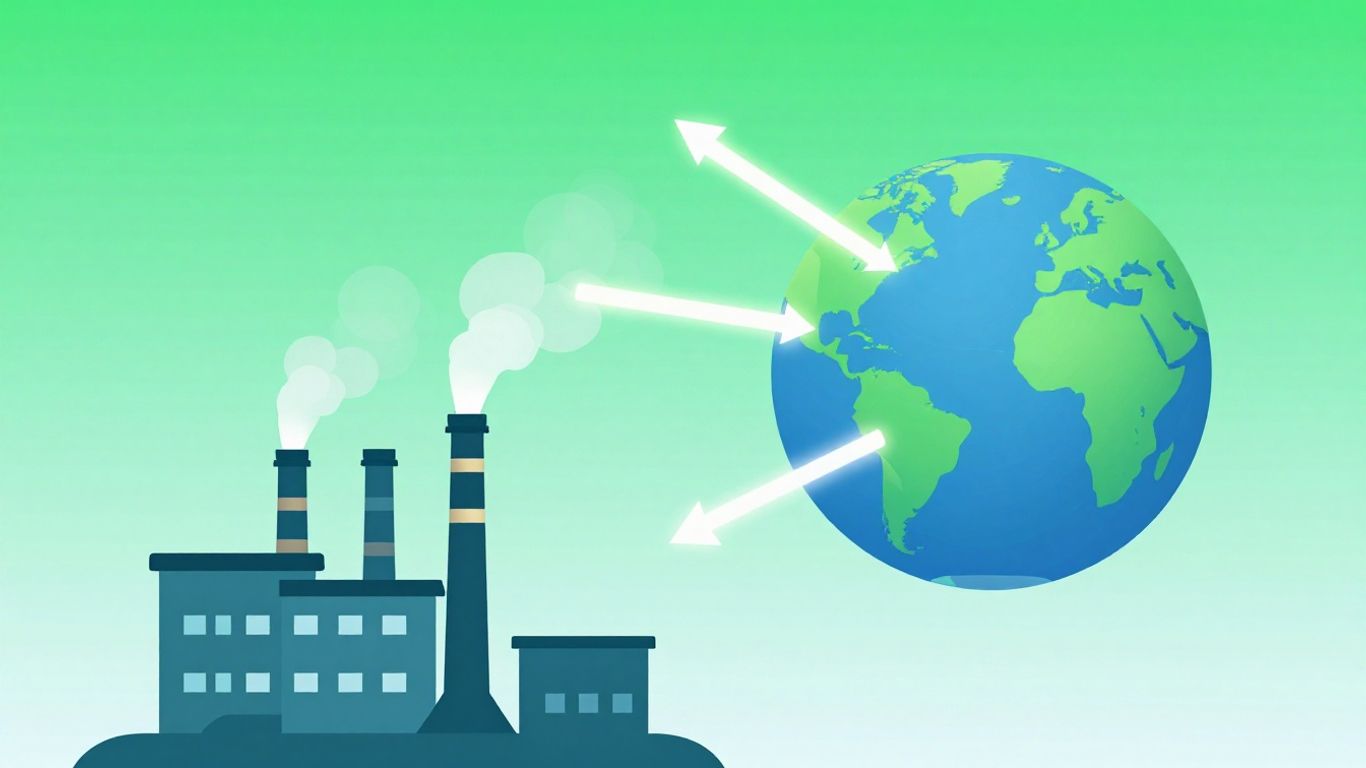
Trying to get a handle on your company's environmental impact can feel like a puzzle. You hear terms like Scope 1, 2, and 3 emissions thrown around, and it's easy to get confused. But really, it's just a way to break down where your greenhouse gas emissions come from. Think of it like this: Scope 1 is what you directly control, Scope 2 is from the energy you buy, and Scope 3 is pretty much everything else connected to your business. Understanding these categories is the first step to making a real difference.
Key Takeaways
- Scope 1 emissions are direct ones from your company's own operations, like burning fuel in your vehicles or heating your buildings.
- Scope 2 emissions come from the electricity, steam, or heat you purchase from outside providers.
- Scope 3 emissions are indirect and cover your entire value chain, from the materials you buy to how your products are used and disposed of.
- Most companies find that Scope 3 emissions are the largest part of their total carbon footprint, even though they have less direct control over them.
- Figuring out your scope 1, 2, and 3 emissions helps you understand your environmental impact, manage your supply chain better, and meet reporting rules.
Understanding Scope 1, 2, and 3 Emissions
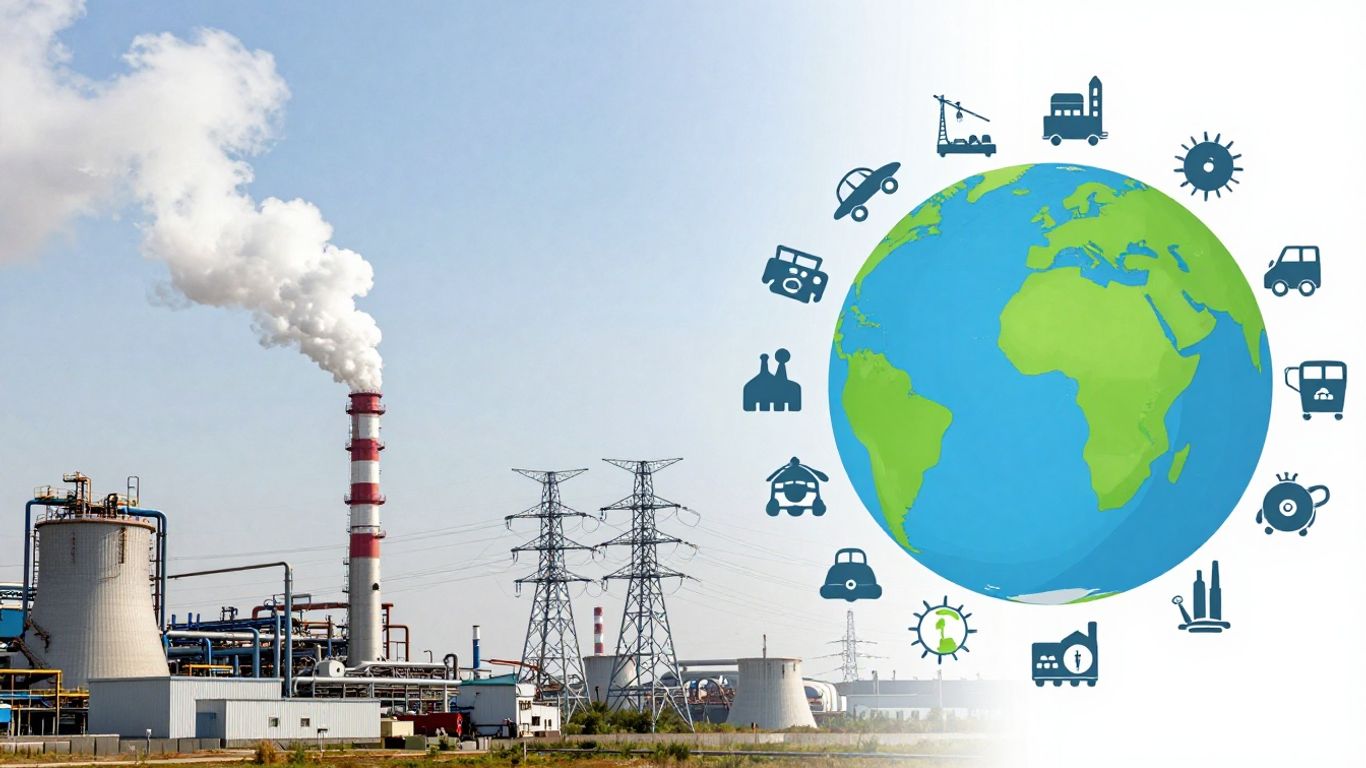
Alright, let's get down to business with these greenhouse gas emissions. If you're trying to figure out your company's environmental impact, you've probably heard the terms Scope 1, Scope 2, and Scope 3. They sound a bit technical, but they're really just a way to break down where your emissions are coming from. Think of it like this: it's a system designed to help businesses track their carbon footprint more effectively. The most widely used standard for this is the Greenhouse Gas Protocol, and it's pretty much the go-to for companies worldwide. It gives us a clear, consistent way to measure and report emissions, making it easier for everyone to understand and compare.
The Greenhouse Gas Protocol Framework
The Greenhouse Gas Protocol is the big player here. It's the international standard that most companies use to figure out their emissions. It’s not just some random idea; it’s a whole system with rules and guidelines. Basically, it helps organizations measure and manage their greenhouse gas emissions in a way that’s transparent and comparable. By using this framework, businesses can align their reporting with what global standards expect, which is good for investors, regulators, and even your customers. It divides emissions into three main categories, or 'scopes,' which helps you see exactly where your emissions are originating and how much control you have over each one. It’s like a map for your company’s environmental impact.
Defining Your Company's Emission Boundaries
Before you start counting anything, you need to decide what's actually in your company's emissions picture. This is called setting your boundaries. You've got organizational boundaries, which means deciding which parts of your company you're including – like all your subsidiaries or just the main operations. Then there are operational boundaries. This is where you figure out which emission sources you're going to track. For Scope 1, it's the stuff you directly control. For Scope 2, it's about the energy you buy. And for Scope 3, it's everything else in your whole supply chain. Getting these boundaries right is super important because it determines what you measure and what you don't. It’s the first step in making sure your emissions data is accurate and relevant to your business.
Categorizing Emissions for Clarity
So, why bother with these three scopes? Because they help make sense of a complicated issue. Each scope represents a different type of emission source and level of control.
- Scope 1: These are your direct emissions. Think of the fuel your company vehicles burn, or the natural gas your factory uses for heat. It’s the stuff that comes straight out of your own equipment.
- Scope 2: These are indirect emissions from the energy you purchase. The most common example is the electricity you buy from the utility company to power your offices and equipment. The emissions happen at the power plant, not your building, but you're still responsible for them.
- Scope 3: This is the big one, covering all the other indirect emissions that happen in your company's value chain, both upstream (like the emissions from making the materials you buy) and downstream (like how your product is used or disposed of). These often make up the largest chunk of a company's total footprint.
Understanding these categories is the first step to actually doing something about your emissions. It's not just about reporting; it's about knowing where to focus your efforts for real change. Without this breakdown, it's easy to get lost in the details and miss the bigger picture of your environmental impact.
Scope 1 Emissions: Direct Operational Impact
Alright, let's talk about Scope 1 emissions. These are the ones that come straight from your company's own operations. Think of it as your direct footprint – the stuff you have the most control over. These are the greenhouse gases released directly from sources that your company owns or controls. It's the first place most businesses look when they start thinking about their environmental impact.
Stationary Combustion Sources
This category covers emissions from burning fuels in equipment that stays put. We're talking about things like natural gas used to heat your office buildings or factory floors, or the fuel burned in boilers and furnaces to create steam or power manufacturing processes. Even if you use propane to run equipment on-site, that counts here. It’s all about the fuel being burned in a fixed location.
Mobile Combustion Sources
This is where emissions from vehicles owned and operated by your company come in. If you have a fleet of delivery trucks running on diesel, or company cars fueled by gasoline, the emissions from those engines are Scope 1. It doesn't matter if it's a small car or a big rig; if it's your vehicle and it's burning fuel, it's a Scope 1 emission source. This is a pretty common area for many businesses, especially those involved in logistics or services that require travel.
Fugitive and Process Emissions
Fugitive emissions are a bit trickier. They're essentially unintended leaks of greenhouse gases. A prime example is refrigerant leaks from your HVAC systems. If your company uses industrial processes, there might be specific emissions released as part of that process itself, like certain gases from chemical manufacturing. These aren't from burning fuel, but rather from the materials or equipment used in your operations. Understanding these leaks is important because they can add up.
Measuring Scope 1 emissions is often the easiest starting point because the sources are usually well-defined and within your direct management. It’s about looking at what you directly burn and what leaks from your owned equipment.
Here’s a quick rundown of common Scope 1 sources:
- Stationary Combustion: Boilers, furnaces, generators using natural gas, oil, or propane.
- Mobile Combustion: Company-owned vehicles (cars, trucks, vans) using gasoline or diesel.
- Fugitive Emissions: Refrigerant leaks from HVAC systems, leaks from industrial processes.
Getting a handle on these direct emissions is a key step in managing your carbon footprint and showing you're serious about environmental responsibility.
Scope 2 Emissions: Purchased Energy Footprint
Scope 2 emissions are all about the energy you buy. Think electricity, steam, heating, or cooling that comes from an external provider. The key thing here is that while you're using the energy, the actual greenhouse gases are released at the place where the energy is generated, not at your office or factory. It’s an indirect impact, but it’s definitely yours to account for.
Indirect Emissions from Electricity Consumption
When your lights turn on, your computers boot up, or your machinery hums to life, you're likely drawing power from the grid. That electricity has to be produced somewhere, often by burning fossil fuels. Scope 2 captures those emissions. It’s a significant part of many companies' carbon footprints, even if they don't directly burn fuel themselves. The amount of emissions depends heavily on how your local utility company generates its power. If they rely heavily on coal or natural gas, your Scope 2 emissions will be higher than if they use a lot of solar, wind, or hydro power.
The Role of Utility Providers
Your utility provider plays a big role in your Scope 2 emissions. They are the ones actually creating the emissions when they generate the electricity you consume. This is why understanding your energy mix is so important. Some utilities are more transparent than others about where their power comes from. You might be able to get specific data from them about the carbon intensity of the electricity they supply. This information is vital for accurate reporting and for figuring out where you can make changes. For instance, knowing your utility's energy sources helps you understand your company's purchased energy footprint.
Reducing Scope 2 Through Renewable Energy
So, how do you lower these indirect emissions? One of the most effective ways is by switching to renewable energy sources. This can happen in a few ways:
- Directly purchasing renewable energy: This might involve installing solar panels on your own property or signing a Power Purchase Agreement (PPA) with a renewable energy developer.
- Buying Renewable Energy Certificates (RECs): These certificates represent the environmental attributes of one megawatt-hour of electricity generated from a renewable source. Buying RECs allows you to claim the emissions reduction associated with that renewable energy, even if you're still drawing power from the grid.
- Choosing a green tariff from your utility: Some utility companies offer options to purchase electricity generated from renewable sources. This is often the simplest way to reduce Scope 2 emissions.
The goal is to decouple your energy consumption from fossil fuel emissions. Even small steps, like improving energy efficiency to use less power overall, can make a difference in your Scope 2 accounting.
It’s also worth noting that your Scope 1 and 2 emissions can become part of another company's Scope 3 emissions if you supply them with goods or services. This interconnectedness highlights why transparency across the value chain is becoming so important in sustainability reporting.
Scope 3 Emissions: The Extended Value Chain
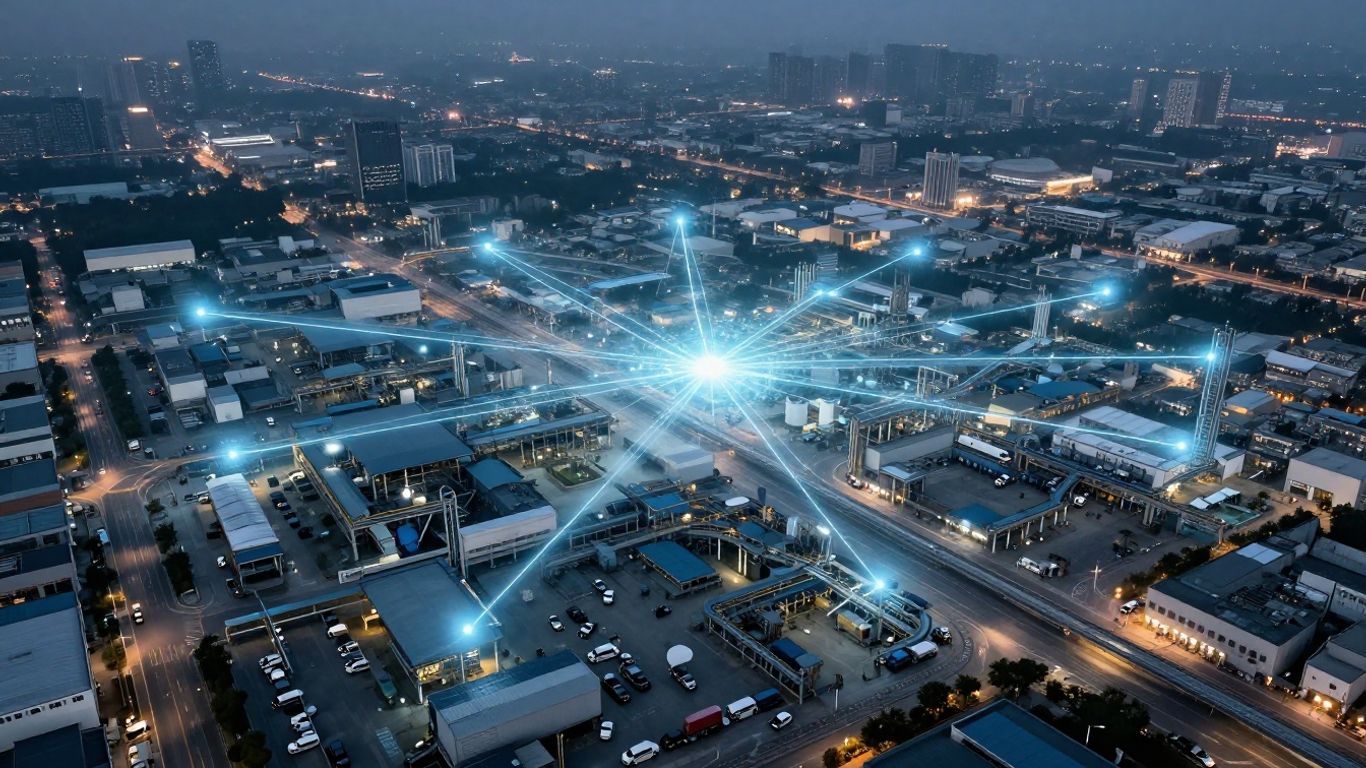
Alright, so we've talked about the emissions you directly control (Scope 1) and the ones from the energy you buy (Scope 2). Now, let's get into the big one: Scope 3. This is where things get a bit more complicated, but honestly, it's often the most important part of the puzzle. Scope 3 emissions cover everything else – all those indirect emissions that happen outside your company's walls but are still a result of your business activities. Think of it as your company's extended footprint, stretching all the way up and down your supply chain.
Upstream and Downstream Activities
Basically, Scope 3 is split into two main parts: upstream and downstream. Upstream covers everything that happens before your product or service reaches the customer. This includes things like the raw materials you buy, how they're transported to you, your employees commuting to work, and any business travel. Downstream covers what happens after your product or service is out there. This could be how your product is used by customers, how it's transported to them, and what happens to it at the end of its life, like disposal or recycling.
The 15 Categories of Scope 3 Emissions
The Greenhouse Gas Protocol has helpfully broken Scope 3 down into 15 specific categories. This might sound like a lot, but it's designed to help you figure out which emissions are most relevant to your business. Some common ones include:
- Purchased goods and services
- Capital goods
- Fuel- and energy-related activities (not included in Scope 1 or 2)
- Upstream transportation and distribution
- Waste generated in operations
- Business travel
- Employee commuting
- Upstream leased assets
- Downstream transportation and distribution
- Processing of sold products
- Use of sold products
- End-of-life treatment of sold products
- Downstream leased assets
- Franchises
- Investments
It's not always about tracking all 15. The first step is usually a relevance test to see which categories actually apply to your company and have a significant impact. You can find more details on these categories in the GHG Protocol Scope 3 Corporate Standard.
Why Scope 3 Often Dominates Carbon Footprints
Here's the kicker: for most companies, Scope 3 emissions are by far the largest chunk of their total carbon footprint. It's easy to focus on what you can directly control with Scope 1 and 2, but ignoring Scope 3 means you're missing the bigger picture. This is where the real opportunity for significant emissions reductions often lies. Because these emissions are spread across so many different activities and partners, tackling them requires collaboration. You'll likely need to work closely with your suppliers and customers to gather data and find ways to lower emissions together. It's a challenge, for sure, but it's also where you can make the most difference. Understanding your entire value chain's emissions is key to a truly effective sustainability strategy.
The Importance of Measuring Scope 1, 2, and 3 Emissions
So, why bother with all this measuring? It might seem like a lot of work, but honestly, it's becoming pretty standard practice for businesses these days. Knowing your emissions is the first step to actually doing something about them. It's not just about looking good; it's about understanding your company's real impact on the planet.
Driving Environmental Responsibility
Think of it like this: you can't fix a problem if you don't know what it is, right? Measuring your Scope 1, 2, and 3 emissions gives you a clear picture of your company's contribution to climate change. It's about taking ownership. When you see the numbers, you can't really ignore it anymore. This awareness is what pushes companies to actually make changes, not just talk about them. It’s a fundamental part of being a responsible business in today's world. Understanding your emissions is central to this environmental responsibility.
Enhancing Supply Chain Management
This is where things get really interesting, especially with Scope 3. Your emissions don't just happen within your own four walls. They extend all the way up and down your supply chain. For example, if you're in the food business, emissions from farming, processing, and transporting ingredients all count. By measuring these, you can pinpoint where the biggest impacts are. This lets you work with your suppliers to find better, greener ways of doing things. It helps you make smarter choices about who you work with and how you get your products to customers.
Ensuring Regulatory Compliance
Governments and industry groups are paying more attention to emissions. Many places now require companies to report their carbon footprint and set targets for reduction. Measuring your Scope 1, 2, and 3 emissions helps you meet these requirements. It keeps you on the right side of the law and makes your reporting more transparent. Plus, having this data ready means you're prepared for future regulations that might come down the pipeline. It's better to be ahead of the curve than scrambling to catch up.
Measuring emissions across all three scopes provides a clear roadmap for sustainability efforts. It moves companies from general intentions to specific actions, identifying hotspots and opportunities for improvement throughout their operations and value chains. This data-driven approach is key to making meaningful progress.
Here's a quick look at why this measurement is so important:
- Understand Your Impact: Get a real sense of your company's climate footprint.
- Identify Hotspots: Pinpoint the areas with the highest emissions for targeted action.
- Improve Efficiency: Often, reducing emissions goes hand-in-hand with saving money and resources.
- Build Trust: Transparent reporting builds confidence with customers, investors, and stakeholders.
Ultimately, measuring emissions is about more than just numbers; it's about building a more sustainable and resilient business for the future.
Practical Steps for Measuring Scope 1, 2, and 3 Emissions
Alright, so you've got the lowdown on what Scope 1, 2, and 3 emissions actually are. Now comes the part where we figure out how to measure them. It sounds like a big task, and honestly, it can be, but breaking it down makes it way more manageable. Think of it like tackling a big project at work – you wouldn't just jump in, right? You'd plan it out.
Identifying Emission Sources Across Scopes
First things first, you need to know where your emissions are coming from. This means looking at everything your company does. For Scope 1, it's the obvious stuff: burning fuel in your company vehicles or heating your buildings. Don't forget about leaks from equipment, like air conditioning systems – those count too. Scope 2 is usually simpler; it's the electricity, steam, heating, or cooling you buy from outside. For Scope 3, this is where it gets broad. You're looking at everything from the materials you buy (upstream) to how your customers use your products (downstream). This could be employee commutes, business travel, waste disposal, or even the emissions from the goods and services you purchase. It's about mapping out your entire business activity and seeing where greenhouse gases are produced.
Data Collection and Tracking Strategies
Once you know your sources, you need to collect data. This is often the most time-consuming part. For Scope 1, you'll be looking at fuel purchase records, meter readings, and maintenance logs for equipment that might leak refrigerants. For Scope 2, your electricity and utility bills are your best friends. Keep them organized! For Scope 3, it gets trickier because you often rely on data from others. This might mean asking suppliers for information about their products or tracking employee travel expenses. Setting up a system early on is key. Maybe you start with a simple spreadsheet, or if you're feeling ambitious, look into specialized software that can help manage this data. The accuracy of your final numbers depends heavily on the quality of the data you collect.
Here’s a quick look at what kind of data you might need:
- Scope 1: Fuel consumption (gallons, therms), refrigerant usage, process emissions data.
- Scope 2: Electricity usage (kWh), steam usage (lbs or kg), chilled water usage (ton-hours).
- Scope 3: Purchase records (amount spent, quantity of goods), employee commute surveys, travel expense reports, waste disposal tonnage.
Utilizing Hotspot Analysis for Prioritization
After you've gathered your data and done some initial calculations, you'll likely see that some emission sources are much bigger than others. This is where a hotspot analysis comes in. It's like looking at a map and seeing the brightest red areas – those are your biggest emission contributors. Focusing your reduction efforts on these hotspots will give you the most bang for your buck. For example, if your Scope 3 emissions from purchased goods are way higher than anything else, you'll want to spend more time understanding those supply chains and looking for ways to reduce emissions there. It helps you avoid getting bogged down in tiny details when there are much larger issues to address. This kind of focused approach makes your sustainability goals feel more achievable and your efforts more impactful. It's all about working smarter, not just harder, when it comes to reducing your carbon footprint. You can find tools and methodologies to help with calculating your emissions.
Measuring emissions isn't just a box-ticking exercise. It's about gaining real insight into your company's impact. By systematically identifying sources, collecting good data, and focusing on the biggest emission areas, you build a solid foundation for making meaningful changes and demonstrating your commitment to environmental responsibility.
Want to figure out your company's carbon footprint? Our guide breaks down how to measure Scope 1, 2, and 3 emissions in simple terms. It's easier than you think to get started! Ready to take the next step and understand your impact? Visit our website to learn more and see how we can help.
Wrapping It All Up
So, we've gone through what Scope 1, 2, and 3 emissions actually mean. It might seem like a lot at first, especially Scope 3 with all its different parts. But really, it's just about looking at where your company's impact comes from – the stuff you directly control, the energy you buy, and then everything else that happens because of your business. Knowing this stuff isn't just for the environmental folks; it helps you run your business smarter, find ways to save money on energy, and just generally be a more responsible company. It’s not about getting perfect numbers right away, but about starting to track things and making progress. You've got this.
Frequently Asked Questions
What exactly are Scope 1, 2, and 3 emissions?
Think of emissions like pollution that warms the planet. Scope 1 means pollution from things your company directly owns or controls, like burning fuel in your own trucks or factory. Scope 2 is pollution from the electricity you buy from power companies. Scope 3 is all the other pollution that happens because of your company, but it's not directly controlled by you, like the emissions from making the stuff you buy or from how your customers use your products.
Why is it important for businesses to track these different scopes of emissions?
Tracking these emissions helps businesses understand their total impact on the planet. It's like figuring out where all your trash comes from. Knowing this helps companies find the best ways to reduce pollution, manage their resources better, and often save money. Plus, more and more rules require companies to report this information.
Are Scope 1 emissions the most important ones to focus on?
Scope 1 emissions are important because they come directly from your company's activities, giving you direct control. However, Scope 3 emissions, which come from your entire supply chain and customer use, often make up the biggest part of a company's total pollution. So, while Scope 1 is key for direct action, ignoring Scope 3 means missing the biggest picture.
How can a company start measuring its Scope 3 emissions if they are so complex?
It can feel overwhelming, but you don't need perfect data right away. Start by looking at the areas that likely cause the most pollution (called 'hotspots'), like the materials you buy or how your products are used. You can gather information from your suppliers and customers, and use tools and guides like the GHG Protocol to help you estimate these emissions.
What is the GHG Protocol and why is it mentioned so often?
The GHG Protocol is like the rulebook for measuring and reporting greenhouse gas emissions. It's used all over the world by many companies and governments. It gives a clear, consistent way to count emissions, making it easier for everyone to understand and compare reports.
Can reducing Scope 2 emissions really make a difference?
Absolutely! Scope 2 emissions come from the electricity you buy. If your company starts buying electricity from renewable sources like solar or wind power instead of fossil fuels, you directly reduce these emissions. Many companies are also working with their energy providers to get cleaner energy.