
Demystifying Scope 1, 2, and 3 Emissions: A Comprehensive Guide
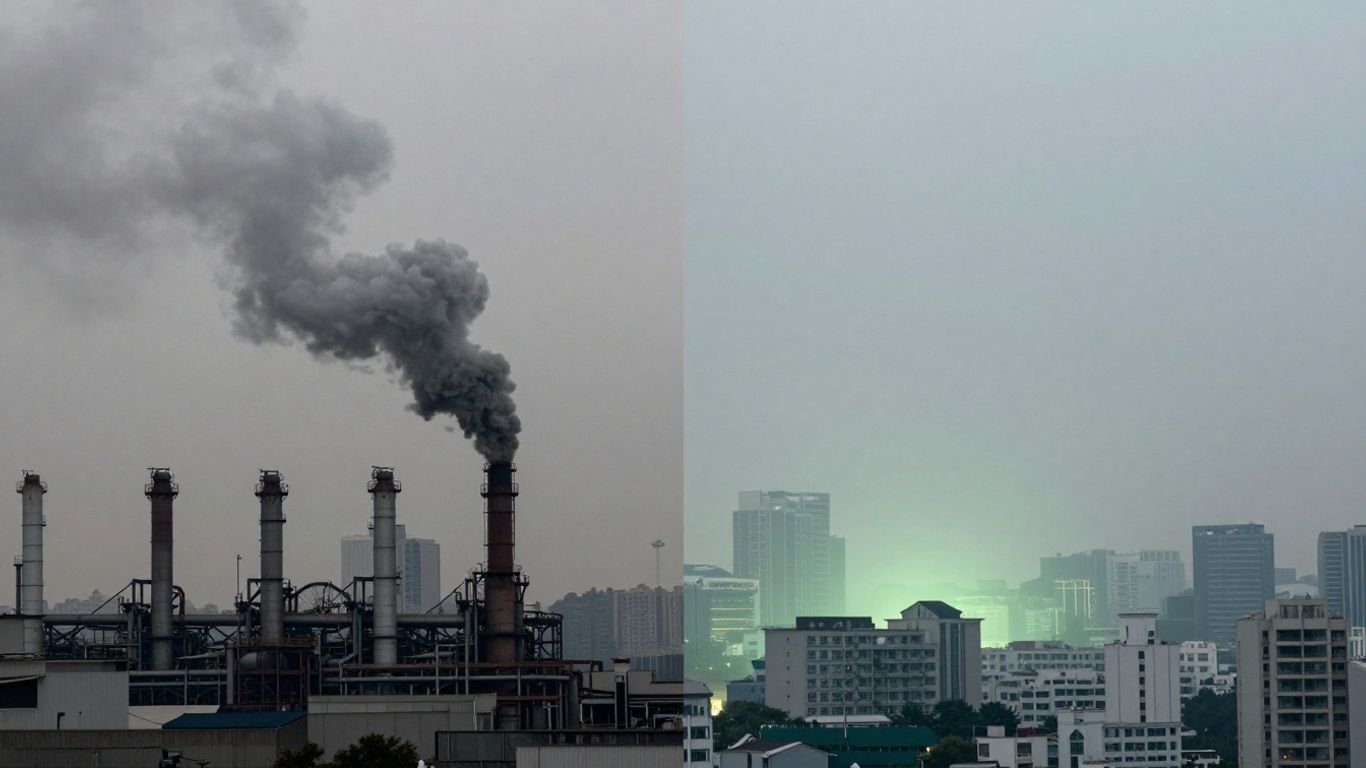
Trying to figure out all the different types of greenhouse gas emissions can feel like a puzzle. You hear terms like Scope 1, Scope 2, and Scope 3 thrown around, and it's easy to get lost. But honestly, it's not as complicated as it sounds. Think of it like this: Scope 1 is what you do directly, Scope 2 is the energy you buy, and Scope 3 is everything else connected to your business. Understanding these different scopes helps companies get a clearer picture of their overall impact on the environment. This guide breaks it all down, making it easier to grasp what each scope means for your business and how to start tracking them.
Key Takeaways
- Scope 1 emissions are direct emissions from your company's own operations, like burning fuel in company vehicles or heating buildings.
- Scope 2 emissions come from the electricity, steam, heating, or cooling your company purchases and uses. The emissions happen where the energy is produced, not at your facility.
- Scope 3 emissions are all the other indirect emissions that happen in your company's value chain, both upstream (like suppliers) and downstream (like product use by customers).
- Measuring scope 1/2/3 emissions is important for understanding your company's total climate impact and finding areas to reduce it.
- Tracking your scope 1, 2, and 3 emissions helps you manage your supply chain better and meet growing demands for environmental reporting.
Understanding Scope 1, 2, and 3 Emissions
So, you're trying to get a handle on your company's carbon footprint? It can seem a bit confusing at first, with all the talk about 'scopes.' But really, it's just a way to break down where your greenhouse gas emissions are coming from. Think of it like this: Scope 1 is what you directly control, Scope 2 is about the energy you buy, and Scope 3 is everything else that happens because of your business, but not directly by you.
The Greenhouse Gas Protocol Framework
Most companies use the Greenhouse Gas Protocol, or GHG Protocol, as their guide. It's like the standard rulebook for measuring and reporting emissions. Using this framework means your numbers can be compared with other companies, which is pretty important for investors and regulators. It helps everyone speak the same language when it comes to climate impact. The GHG Protocol gives us a clear way to account for emissions, making sure we're not missing anything important.
Defining Your Company's Emissions Boundaries
Before you start counting, you need to decide what's actually your company's responsibility. This is called setting your boundaries. For Scope 1, it's pretty simple: anything that comes from equipment you own or control. For Scope 2, it's about the electricity, heat, or cooling you purchase. Scope 3 gets a bit trickier because it includes emissions from your entire value chain – think suppliers and customers. Getting these boundaries right is the first big step.
Direct vs. Indirect Emissions Explained
Let's clear this up. Direct emissions are those that come straight from your own operations. If you burn fuel in a company truck or a factory boiler, that's direct. Indirect emissions are a bit more removed. Scope 2 emissions, like the ones from the electricity you use, are indirect because the emissions happen at the power plant, not your office. Scope 3 emissions are also indirect, but they cover a much wider range of activities, like the materials your suppliers use or how your products are used and disposed of by customers. Understanding this difference is key to figuring out where to focus your reduction efforts.
- Scope 1: Emissions from sources you own or control (e.g., company vehicles, on-site fuel combustion).
- Scope 2: Emissions from purchased electricity, steam, heating, or cooling.
- Scope 3: All other indirect emissions in your value chain (e.g., business travel, waste, supply chain activities).
Figuring out your emissions isn't just about ticking a box. It's about understanding the real-world impact of your business on the planet. Once you know where the emissions are coming from, you can actually do something about them.
Scope 1 Emissions: Your Direct Operational Footprint
Alright, let's talk about Scope 1 emissions. Think of these as the greenhouse gases that come straight out of your company's own operations. It's the stuff you have direct control over, like the fuel burned in your company cars or the natural gas heating your office building. These are the emissions you can see and measure most directly.
Stationary and Mobile Combustion Sources
When we talk about stationary combustion, we're looking at burning fuels in things that don't move – like boilers, furnaces, or generators that are fixed in place. If your factory uses natural gas to power its machinery, that's a big one. Then there are mobile combustion sources. This is basically any fuel burned in vehicles your company owns or controls. So, that fleet of delivery vans? Yep, their exhaust fumes count as Scope 1.
Process Emissions and Fugitive Releases
Beyond just burning fuel, some industrial processes themselves release greenhouse gases. For example, certain chemical reactions or manufacturing steps can emit GHGs directly. And then there are fugitive emissions. These are unintentional leaks. Think about the refrigerants escaping from your HVAC systems or the methane that might leak from natural gas pipelines supplying your facility. These aren't from burning fuel, but they're still direct releases from your operations.
Examples of Scope 1 Emission Sources
To make it super clear, here are some common examples:
- Company-owned vehicle fleet: Gasoline or diesel used in cars, trucks, or vans.
- On-site fuel combustion: Natural gas, propane, or oil burned in boilers, furnaces, or water heaters for your buildings.
- Industrial processes: Emissions released directly from manufacturing activities, like cement production or chemical manufacturing.
- Fugitive emissions: Leaks from refrigeration and air conditioning equipment, or natural gas leaks.
Measuring these direct emissions is often the first step companies take when starting their emissions tracking journey. It gives you a solid baseline of your own operational impact. Understanding your direct footprint is key before looking at the bigger picture of purchased energy's impact.
It might seem like a lot, but breaking it down into these categories helps make sense of where your direct emissions are coming from. It's all about getting a clear picture of your company's immediate environmental footprint.
Scope 2 Emissions: Purchased Energy's Impact
Alright, let's talk about Scope 2 emissions. These are the indirect greenhouse gas emissions that come from the electricity, steam, heating, or cooling that your company buys from an outside provider. Think of it this way: you're not burning the fuel yourself, but the energy you consume still has a carbon footprint because it was generated somewhere else, usually at a power plant. This is where the energy utility provider's operations directly impact your company's footprint.
Indirect Emissions from Energy Consumption
When you flip a light switch or power up a server, that electricity has to come from somewhere. If your company buys that power from the grid, the emissions associated with generating that electricity are counted as Scope 2. It’s a bit like ordering takeout – you didn’t cook the meal, but you’re still consuming it. The emissions are generated at the restaurant (the power plant), not your home (your office).
The Role of Utility Providers
Your utility company plays a big part here. The mix of energy sources they use – coal, natural gas, renewables like solar or wind – directly determines the carbon intensity of the electricity you purchase. If your local utility relies heavily on fossil fuels, your Scope 2 emissions will naturally be higher than if they use a lot of clean energy. This is why understanding your utility's energy mix is so important for accurate reporting. You can often find this information on your utility bills or their website. For investors looking at a company's environmental performance, understanding Scope 2 emissions is a key part of their assessment.
Strategies for Reducing Scope 2 Emissions
So, how can you shrink this part of your footprint? There are a few ways:
- Switch to renewable energy sources: This is the most direct way. You can often purchase renewable energy directly from your utility provider or through a third-party supplier. Some companies even install their own solar panels on-site.
- Improve energy efficiency: The less energy you use, the fewer emissions are generated on your behalf. Simple things like upgrading to LED lighting, improving insulation, and using energy-efficient equipment can make a big difference.
- Advocate for cleaner grids: While this is a longer-term strategy, supporting policies and initiatives that promote renewable energy development can help reduce the overall carbon intensity of the grid you rely on.
Measuring Scope 2 emissions involves looking at your purchased electricity, steam, heating, and cooling. The key is to track how much energy you buy and then apply the appropriate emissions factors based on how that energy was generated. This often means getting data from your utility provider about their energy sources.
It's not just about reporting; reducing Scope 2 emissions often leads to cost savings through increased energy efficiency. Plus, it shows you're serious about your environmental impact, which is becoming increasingly important for customers and stakeholders alike. For businesses, accurately reporting Scope 2 emissions is a significant step in their sustainability journey.
Scope 3 Emissions: The Extended Value Chain
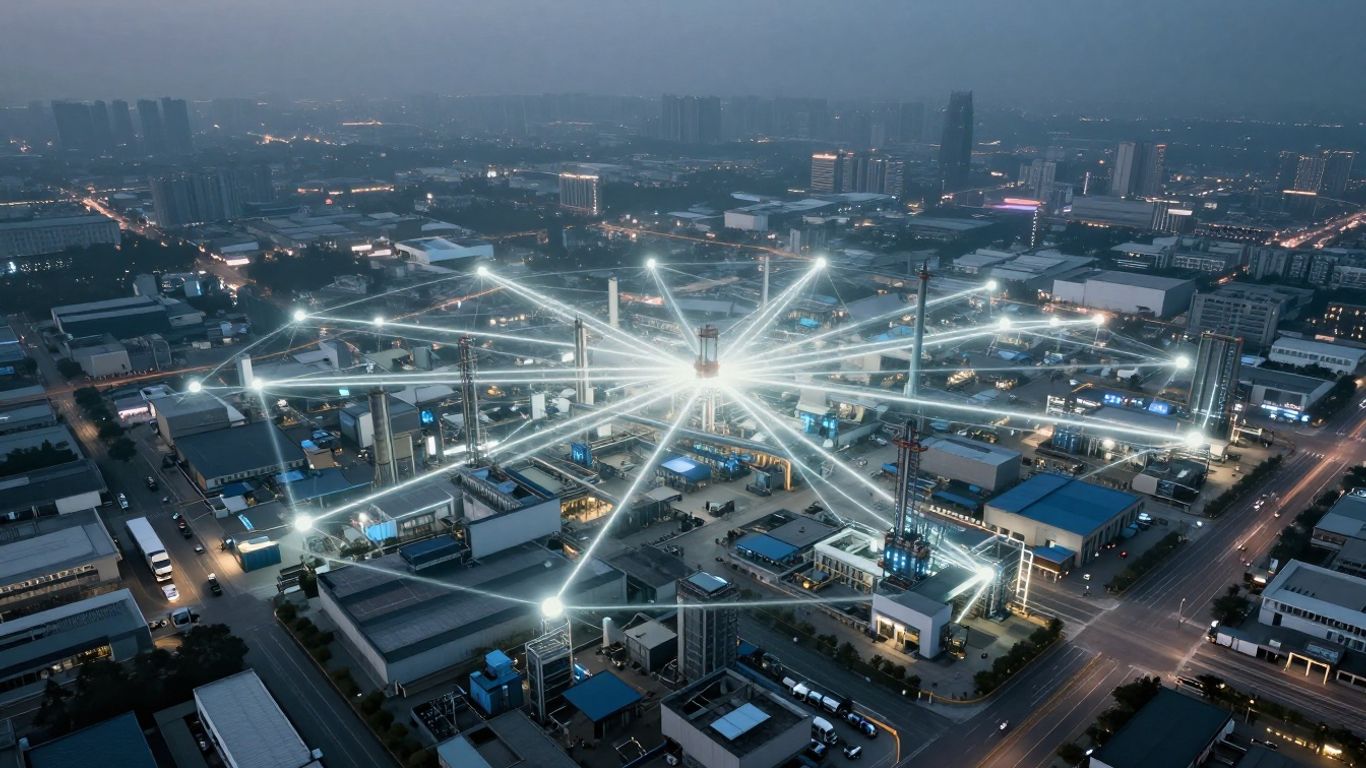
Alright, let's talk about Scope 3 emissions. If Scope 1 is what you're directly doing and Scope 2 is the energy you buy, Scope 3 is basically everything else. It's all the indirect emissions that happen because of your company's activities, but they occur outside of your direct control. Think of it as the ripple effect of your business out into the world.
Upstream and Downstream Emission Categories
Scope 3 is broken down into two main parts: upstream and downstream. Upstream covers emissions from things that happen before your product or service reaches the customer. This includes stuff like the raw materials your suppliers use, how those materials get to you, business travel, and even how your employees get to work. Downstream covers emissions that happen after your product or service is out there. This could be how your product is transported to the customer, how they use it, and what happens to it when it's finally thrown away.
Here's a quick look at some common categories:
- Upstream:
- Purchased goods and services
- Capital goods
- Fuel- and energy-related activities (not included in Scope 1 or 2)
- Transportation and distribution (of raw materials)
- Employee commuting
- Business travel
- Downstream:
- Transportation and distribution (of finished products)
- Processing of sold products
- Use of sold products
- End-of-life treatment of sold products
- Investments
The Significance of Scope 3 Emissions
Here's the kicker: for most companies, Scope 3 emissions are the biggest chunk of their total carbon footprint. Seriously, they can make up 70-90% or even more of your overall impact. That's why ignoring them is like trying to clean your house but only dusting the living room. You're missing the majority of the mess. Understanding these emissions is key to getting a real picture of your company's climate impact. It also pushes you to work with others, like your suppliers and customers, to find ways to cut emissions together. This is where you can really make a difference. Value chain emissions are often the most significant part of a company's footprint.
Challenges in Scope 3 Measurement
Now, measuring Scope 3 isn't exactly a walk in the park. Because these emissions happen outside your company, getting accurate data can be tough. You're relying on information from suppliers, customers, and other third parties, and not everyone has the same level of tracking or transparency. It's like trying to piece together a puzzle where half the pieces are missing, and the other half are with different people who might not want to share. You might have to make some educated guesses or use industry averages at first. It takes time and effort to build up better data collection methods, often involving collaboration across your entire supply chain. Understanding and managing Scope 3 emissions is crucial for a comprehensive approach to reducing a company's overall environmental impact.
The complexity of Scope 3 means that initial measurements might not be perfect. The goal is to start somewhere, identify the most significant areas, and then work on improving data quality over time. It's a journey, not a destination, and requires ongoing effort and engagement with partners.
Why Measuring Scope 1, 2, and 3 Emissions Matters
So, why bother with all this measuring? It might seem like a lot of work, but honestly, it's pretty important for a few key reasons. First off, it’s about really getting a handle on your company's actual climate impact. You can't fix what you don't understand, right? Breaking it down into Scope 1, 2, and 3 helps you see exactly where your emissions are coming from – whether it's the gas in your company cars (Scope 1), the electricity powering your office (Scope 2), or all the stuff that happens before and after your product is made (Scope 3).
Understanding Your Climate Impact
Think of it like a health check-up for your business's environmental footprint. You get a clear picture of your contribution to climate change. This isn't just about feeling good; it's about identifying the real
Practical Steps for Measuring Scope 1, 2, and 3 Emissions
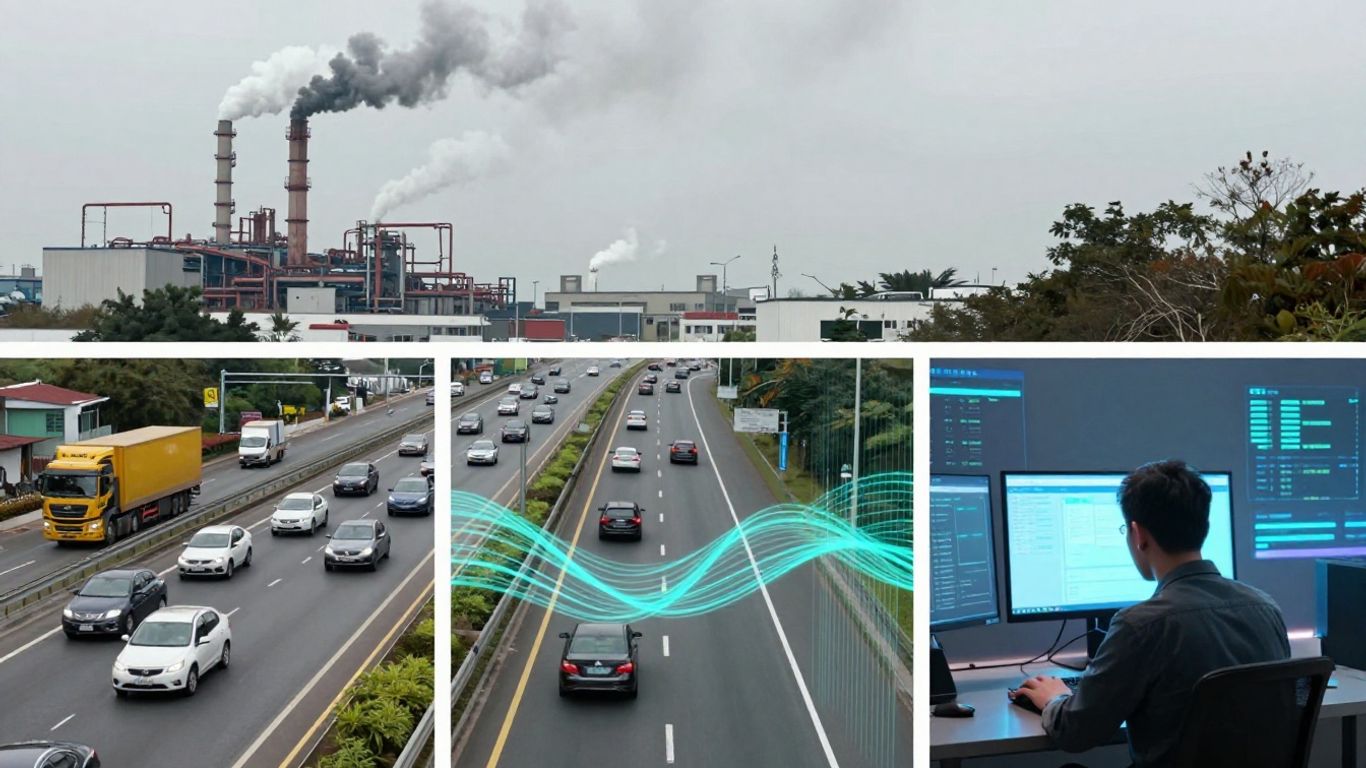
Alright, so you've decided to get a handle on your company's carbon emissions. That's a big step! Measuring Scope 1, 2, and 3 might sound complicated, but breaking it down makes it totally doable. Think of it like tackling a big project – you start with the basics and build from there.
Identifying Emission Sources Across Scopes
First things first, you need to know where your emissions are coming from. This means looking at everything your company does. For Scope 1, it's the stuff you directly control: burning fuel in your own boilers or company vehicles, or even leaks from refrigeration systems. Scope 2 is about the energy you buy – mostly electricity, but also steam or heat. It's indirect because you're not burning the fuel yourself, but your consumption causes emissions somewhere else. Scope 3 is the big one, covering everything else in your value chain. This includes emissions from the materials you buy, how your employees get to work, business travel, how your products are used, and what happens to them at the end of their life. It's a lot, I know.
Data Collection and Tracking Strategies
Once you know your sources, you need to gather data. This is where the real work happens. For Scope 1, you'll be looking at fuel purchase records, vehicle mileage logs, and refrigerant usage. For Scope 2, your electricity and heating bills are your best friends. Scope 3 is trickier because the data often sits with other companies. You might need to ask suppliers for information, track shipping distances, or survey employees about their commutes. Having a good system for collecting and organizing this data is key to accurate reporting. It's really helpful to use tools or software designed for this, otherwise, you'll be drowning in spreadsheets.
Here’s a basic idea of what you might collect:
- Scope 1: Liters of gasoline used, cubic meters of natural gas consumed, kilograms of refrigerant purchased.
- Scope 2: Kilowatt-hours (kWh) of electricity consumed, gigajoules (GJ) of purchased steam.
- Scope 3: Ton-kilometers for goods transported, employee commuting distances, amount of waste sent to landfill.
Don't get discouraged if some data is hard to find. Start with what you can get and make reasonable estimates for the rest. The goal is progress, not perfection, especially at the beginning. You can always refine your data over time.
Leveraging Industry Standards and Tools
Trying to figure out emission factors – the conversion rates from your activity data (like fuel used) to actual greenhouse gas emissions – can be a headache. Luckily, there are established standards and tools to help. The Greenhouse Gas Protocol is the go-to framework for defining scopes and methodologies. Many government agencies and industry associations provide emission factor databases. There are also specialized software platforms that can automate much of the calculation process, helping you calculate Scope 1, 2, and 3 emissions more efficiently and accurately. These tools can also help you manage your data over time and track your progress towards reduction goals.
Want to figure out your company's carbon footprint? Our guide breaks down how to measure Scope 1, 2, and 3 emissions in simple terms. It's easier than you think to get started! Ready to take the next step and understand your impact? Visit our website to learn more and see how we can help.
Wrapping It Up
So, there you have it. Breaking down emissions into Scope 1, 2, and 3 might seem like a lot at first, but it really just gives you a clearer picture of where your company's environmental impact comes from. Scope 1 is your direct stuff, Scope 2 is the electricity you buy, and Scope 3 is pretty much everything else that happens because of your business, like with your suppliers or how customers use your products. You don't need perfect numbers to get started. Just begin tracking what you can, and you'll be surprised how much you learn. Understanding these scopes isn't just about reporting; it's about finding smart ways to reduce waste, save money, and honestly, just be a better business in the long run. It’s a journey, for sure, but taking these steps makes a real difference.
Frequently Asked Questions
What exactly are Scope 1, 2, and 3 emissions?
Think of emissions like different ways a company affects the environment. Scope 1 is like the direct smoke from a company's own factory or cars. Scope 2 is the pollution created when a company buys electricity from a power plant. Scope 3 is all the other pollution that happens because of the company's actions, like making the stuff it buys or what happens to its products after they're sold.
Why is it important for companies to track these emissions?
Tracking emissions helps companies understand how much they're contributing to climate change. It's like checking your report card to see where you need to improve. Knowing where the pollution comes from allows businesses to find ways to reduce it, which is good for the planet and can even save them money.
Are Scope 1 emissions the most important to track?
Scope 1 emissions are important because they are directly controlled by the company. However, Scope 3 emissions often make up the biggest part of a company's total environmental impact. So, while Scope 1 is a good starting point, looking at all three scopes gives a much clearer picture.
How can a company start measuring its Scope 3 emissions if they're so complicated?
It can be tricky! Companies don't need to measure every single thing perfectly at first. They can start by focusing on the biggest sources of emissions in their 'supply chain' or 'value chain' – like the materials they buy or how their products are used. It's okay to start with estimates and get better over time.
Does every company have all three types of emissions?
Pretty much, yes. Almost every business uses energy (Scope 2), and most have some direct activities like heating buildings or using company vehicles (Scope 1). And because businesses buy things and sell things, they will almost always have some Scope 3 emissions, even if they're small.
What's the difference between Scope 1 and Scope 2 emissions?
Scope 1 emissions are like the pollution that comes directly from things the company owns and operates, such as burning fuel in its own furnaces or company cars. Scope 2 emissions are indirect – they come from the electricity the company buys from an outside power company, where the pollution happens at the power plant, not at the company's office.