
Demystifying Emissions: A Clear Guide to Scope 1, 2, and 3

Trying to figure out your company's carbon footprint can feel like a puzzle. You hear terms like Scope 1, 2, and 3 thrown around, and it's easy to get lost. But really, it's just a way to break down where your emissions are coming from. Think of it like tracking your expenses – you have your daily coffee runs, your monthly utility bills, and then all the other stuff that adds up. This guide aims to make understanding emissions scope 1 2 3 much simpler, so you can actually do something about it.
Key Takeaways
- Scope 1 emissions are the direct ones from things your company owns or controls, like company cars or on-site furnaces.
- Scope 2 emissions come from the energy you buy, mostly electricity, but also heating and cooling.
- Scope 3 emissions are all the other indirect ones that happen in your company's supply chain, like the materials you buy or how your products are used.
- Understanding emissions scope 1 2 3 helps you see the full picture of your environmental impact and where to focus your reduction efforts.
- Measuring and reducing emissions across all three scopes is important for sustainability, meeting expectations, and finding cost savings.
Understanding Scope 1 Emissions: Direct Operational Footprint
Alright, let's talk about Scope 1 emissions. Think of these as the greenhouse gases that come straight out of your company's own operations. If you own it, control it, and it burns fuel or releases gases, that's Scope 1. It's the most straightforward category because you have direct oversight and can usually measure it pretty accurately.
Defining Scope 1: Emissions From Owned or Controlled Sources
Basically, if a piece of equipment or a vehicle is yours, or you have significant control over its operations, any emissions it produces fall under Scope 1. This isn't about where the emissions happen, but rather who is responsible for the source. It’s about the direct impact of your company’s activities.
Identifying Common Scope 1 Emission Examples
So, what does this look like in practice? For many businesses, it includes:
- Fuel combustion: This is a big one. Burning natural gas in your office heating system, diesel in your company delivery trucks, or gasoline in your fleet cars all count. If you have on-site generators that run on fuel, those emissions are Scope 1 too.
- Fugitive emissions: These are leaks. Think about the refrigerants escaping from your air conditioning units or industrial freezers. In certain industries, like oil and gas, methane leaks from pipelines or equipment are also considered Scope 1.
- Process emissions: If your company manufactures something and uses chemical processes that release greenhouse gases, those are Scope 1 emissions. This is common in industries like cement or chemical production.
Measuring these emissions usually involves tracking how much fuel you use or how much refrigerant you need to replace. You then use specific emission factors to convert that activity data into greenhouse gas amounts, typically reported as carbon dioxide equivalents (CO2e). This process is a key part of calculating a company's carbon footprint.
Strategies for Minimizing Direct Emissions
Since you have direct control over Scope 1 sources, there are often good opportunities for reduction. Some common strategies include:
- Switching to electric: Can you electrify your vehicle fleet? Or replace a natural gas boiler with an electric heat pump? Electrification, especially if your electricity comes from cleaner sources, can significantly cut direct emissions.
- Improving efficiency: Simply using less fuel or energy counts. Upgrading to more efficient boilers, optimizing vehicle routes, or ensuring regular maintenance on equipment can all make a difference.
- Fuel switching: For processes that are hard to electrify, consider switching to lower-carbon fuels. This could mean using biofuels or renewable natural gas where appropriate.
- Leak detection and repair: For fugitive emissions, a proactive maintenance program to find and fix leaks in refrigeration systems or industrial equipment can prevent a lot of wasted emissions.
Decoding Scope 2 Emissions: The Impact of Purchased Energy
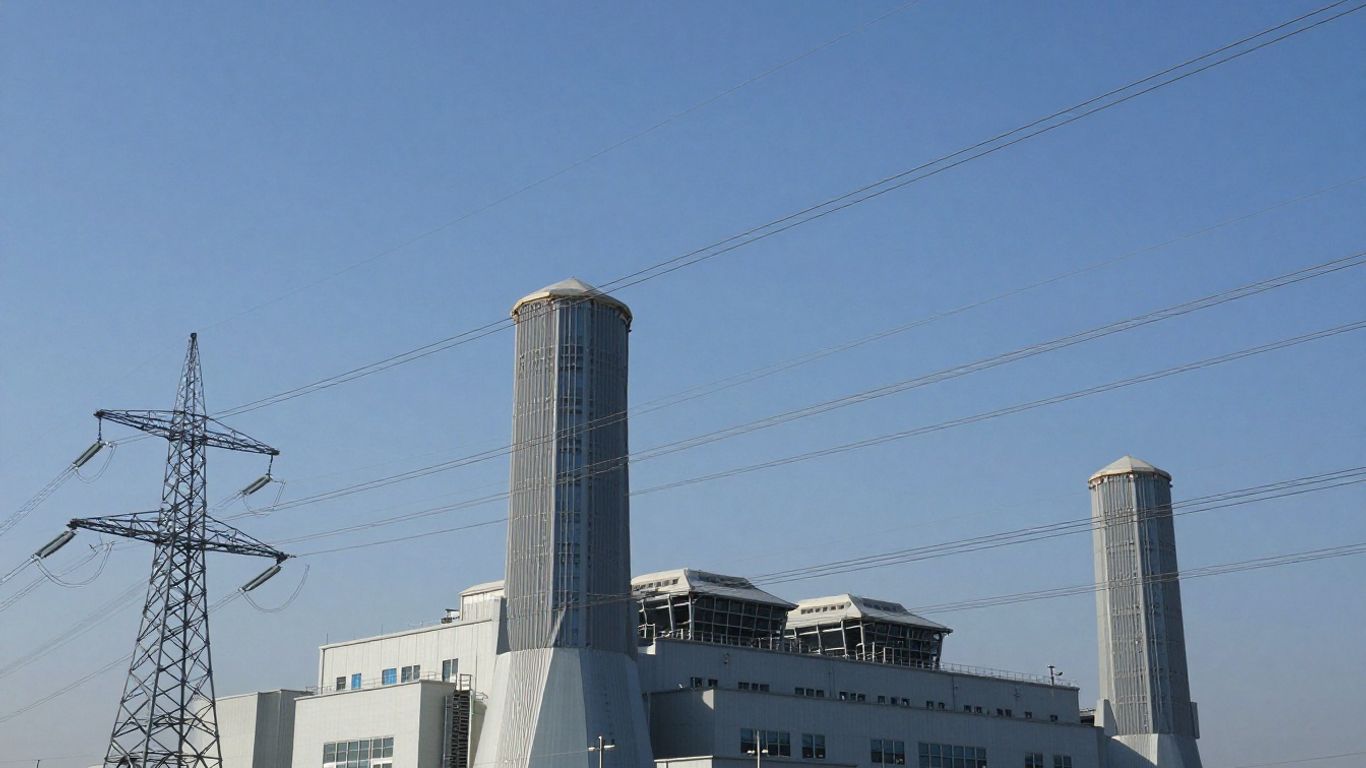
Alright, so we've talked about the emissions that come straight out of your own pipes and tailpipes – that's Scope 1. Now, let's look at Scope 2. This is where things get a little less direct, but still super important. Think about all the electricity, heat, steam, or cooling your business buys from someone else. Those are your Scope 2 emissions. Even though your company isn't the one burning the fuel to make that power, you're still using it, and that usage has a carbon footprint. It's like ordering takeout; you didn't cook the meal, but you're still consuming it.
What Constitutes Scope 2 Emissions?
Basically, if you're plugging something in, heating your office with a central system, or using steam for a process, and that energy isn't generated on-site by you, it falls under Scope 2. The emissions happen at the power plant or the facility generating the heat, but they're counted against your business because you're the one demanding that energy. It's a significant chunk for many companies, especially those with lots of computers, machinery, or large buildings.
Calculating Energy Indirect Emissions
Figuring out your Scope 2 numbers isn't quite as straightforward as Scope 1. You've got two main ways to do it:
- Location-Based Method: This looks at the average emissions intensity of the electricity grid in your area. So, if your local grid gets a lot of its power from coal, your Scope 2 emissions will be higher than if you were in a region powered mostly by renewables. It's a good way to see your impact based on where you are.
- Market-Based Method: This method lets you account for the specific choices you make about your energy. If you buy electricity from a supplier that guarantees it comes from renewable sources, or if you purchase Renewable Energy Certificates (RECs), you can use those to reduce your reported Scope 2 emissions. This method is often preferred because it reflects your company's direct purchasing decisions and can encourage greener energy markets.
To do either calculation, you'll need your total energy consumption (usually in kilowatt-hours, kWh) and the relevant emission factors. Getting good data from your utility providers is key here. You can find more details on how to approach this through frameworks like the GHG Protocol.
Leveraging Renewable Energy Procurement
This is where you can really make a difference in your Scope 2 numbers. If your company is serious about cutting down its carbon footprint, shifting to renewable energy is a big step. You can:
- Sign Power Purchase Agreements (PPAs): These are contracts where you agree to buy electricity directly from a renewable energy project, like a wind or solar farm. It often provides stable pricing and directly supports new renewable capacity.
- Buy Renewable Energy Certificates (RECs): These certificates represent the environmental attributes of one megawatt-hour of electricity generated from a renewable source. Buying RECs allows you to claim that your electricity consumption is matched by renewable generation, even if you're still getting power from the grid.
- Install On-Site Renewables: Putting solar panels on your roof or investing in other on-site generation means you're producing your own clean energy, directly reducing how much you need to buy from the grid.
Making smart choices about where your energy comes from can significantly lower your Scope 2 emissions. It's not just about reporting; it's about actively choosing a cleaner path for your business operations. This proactive approach can also lead to cost savings over time and improve your company's reputation.
Remember, Scope 2 emissions are a direct consequence of your business operations, even if the pollution happens elsewhere. By understanding and actively managing them, you're taking a significant step towards a more sustainable future.
Exploring Scope 3 Emissions: The Value Chain's Carbon Contribution
Alright, so we've talked about the emissions that come straight from your own operations (Scope 1) and the ones from the electricity you buy (Scope 2). Now, let's get into Scope 3. This is where things get a bit more complicated, but honestly, it's often where the biggest chunk of a company's carbon footprint actually lies. Think of it as all the other indirect emissions that happen because of what your business does, but they occur in places you don't directly own or control. It's your whole value chain, from start to finish.
Defining Scope 3: Indirect Emissions Across the Value Chain
Scope 3 emissions are essentially the ripple effects of your business activities. They're not coming from your factory smokestacks or the power plant supplying your office, but they're still very much a part of your company's impact on the planet. This category covers everything from the raw materials you buy to how your customers use your products and what happens to them when they're thrown away. For many businesses, especially those in retail or consumer goods, Scope 3 emissions can make up a huge majority – sometimes 70-90% – of their total greenhouse gas output. Ignoring this part of the equation means you're really only seeing part of the picture.
Key Scope 3 Categories for Businesses
The Greenhouse Gas (GHG) Protocol breaks Scope 3 down into 15 different categories. While that might sound like a lot, a few tend to be more significant for most companies. Here are some of the big ones:
- Purchased goods and services: This is about the emissions from making all the stuff you buy to run your business, from office supplies to raw materials. It's often a major contributor.
- Transportation and distribution: This covers how your products get to you (upstream) and how they get to your customers (downstream). Think trucks, ships, planes – all that movement adds up.
- Business travel: Emissions from flights, train rides, and hotel stays when your employees are on company business.
- Use of sold products: If your products consume energy or release emissions when customers use them (like a car or an appliance), that counts here.
- End-of-life treatment of sold products: What happens to your products when people are done with them? Recycling, landfill, incineration – all have carbon impacts.
Strategies for Engaging with Value Chain Partners
Dealing with Scope 3 emissions isn't something you can do alone. It requires working with others. You've got to get your suppliers and your customers involved.
One effective way to tackle this is by working with your suppliers. You can ask them about their own emissions, encourage them to use cleaner energy, or even look at redesigning products together to use less impactful materials. It's about building partnerships for a greener supply chain. Similarly, talking to your customers about how they use and dispose of your products can also make a difference.
For example, if you sell appliances, you could work on making them more energy-efficient during use or design them so they're easier to recycle at the end of their life. It's a collaborative effort, and sometimes, these partnerships can even lead to new innovations or cost savings down the line. It might seem daunting, but addressing Scope 3 is where many companies can find their biggest opportunities for real climate action.
The Importance of Measuring Emissions Scope 1 2 3
So, why bother with all this measuring stuff? It might seem like a lot of work, but honestly, you can't really fix what you don't understand. Think of it like trying to lose weight without knowing how much you're eating or how much you're exercising. It's just guesswork, right? The same goes for carbon emissions. Breaking them down into Scope 1, 2, and 3 gives us a clear picture of where our impact is coming from.
Why Quantifying Emissions is Crucial
Knowing your numbers is the first step to making real changes. Without it, any efforts to reduce your carbon footprint are just shots in the dark. It helps you see the big picture and pinpoint exactly where you're having the most effect. This isn't just about feeling good; it's becoming a business necessity. Customers, investors, and even regulators are starting to pay attention, and they want to see that you're taking this seriously. Plus, understanding your emissions can actually save you money in the long run by highlighting inefficiencies.
The GHG Protocol Framework for Emissions Accounting
This is where the Greenhouse Gas (GHG) Protocol comes in. It's basically the rulebook for how companies should measure and report their emissions. It's been around for a while and is used all over the world, so it's a pretty solid standard. It helps make sure everyone is speaking the same language when they talk about carbon. The protocol breaks emissions into those three scopes we've been talking about: Scope 1 (direct stuff you control), Scope 2 (electricity you buy), and Scope 3 (everything else in your supply chain).
Here's a quick rundown:
- Scope 1: Emissions from things you own or directly control, like your company cars or the natural gas used in your building's heating system.
- Scope 2: Emissions from the electricity, steam, heat, or cooling you purchase. Even though you don't make the emissions yourself, you're using energy that causes them.
- Scope 3: This is the big one, covering all the other indirect emissions that happen in your value chain. Think about the emissions from making the stuff you buy, how your products get to customers, or even how your employees get to work.
Actionable Insights for Carbon Reduction Strategies
Once you've got your emissions measured, you can actually start doing something about it. The data you collect will show you where your biggest emission sources are. Maybe your company vehicles are a huge contributor, or perhaps the energy you use for manufacturing is the main culprit. Or, it could be that your suppliers are creating a massive footprint. Knowing this allows you to create a plan that actually makes sense. You can set realistic goals and focus your efforts where they'll have the most impact. It's about being smart with your resources and making targeted changes, rather than just making broad, vague promises.
Measuring your emissions isn't just a compliance exercise; it's a strategic tool. It helps you identify risks and opportunities within your operations and supply chain. By understanding your carbon footprint, you can make informed decisions that lead to both environmental benefits and business advantages, like cost savings and improved brand reputation.
Practical Approaches to Emissions Reduction
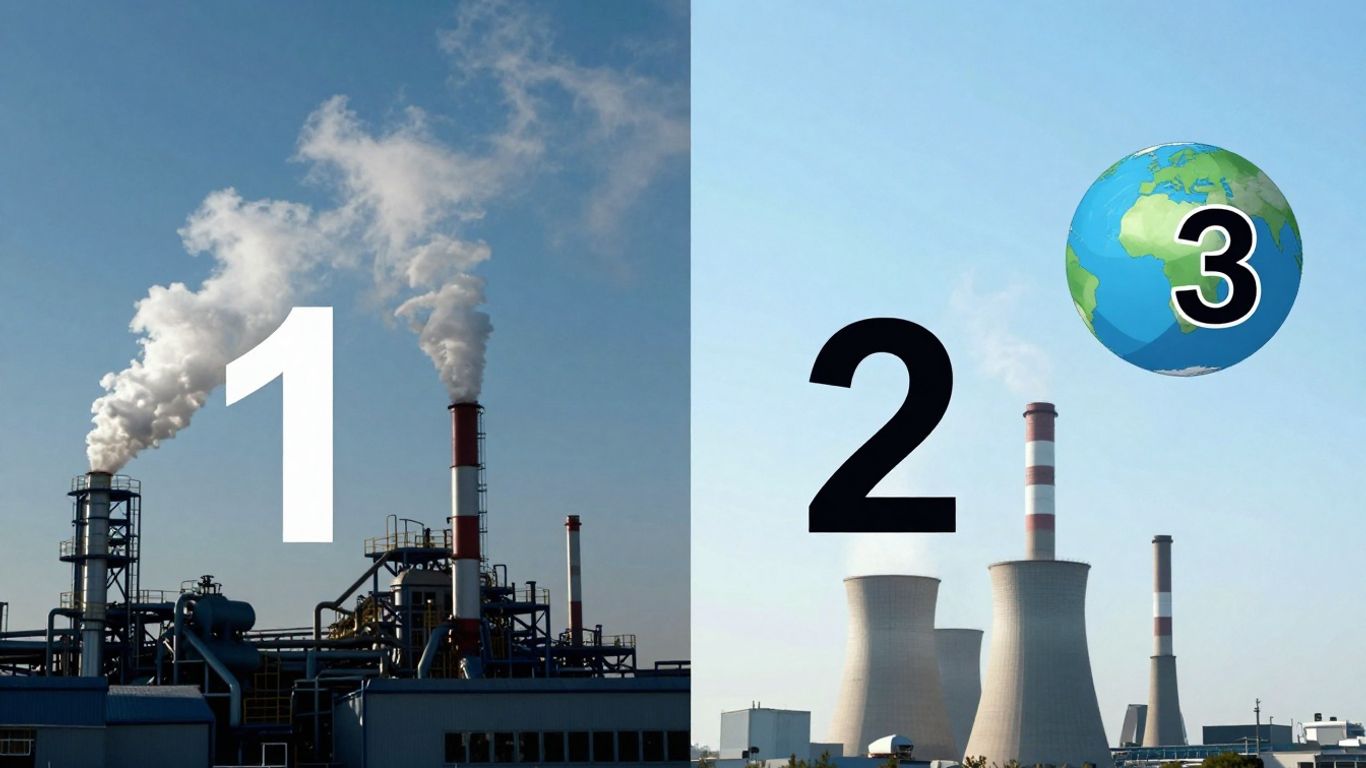
So, you've figured out your Scope 1, 2, and 3 emissions, and now you're wondering, 'What next?' It's a big question, but honestly, it's where the real work and the biggest wins happen. Think of it like cleaning out your garage; you first need to see what junk you've accumulated (that's the measuring part), and then you start sorting and tossing. Reducing emissions is pretty similar, just with less dust and more spreadsheets.
Reducing Direct Emissions Through Operational Changes
This is all about looking at what you directly control. For Scope 1, it means examining your company vehicles, your on-site generators, or any heating systems that burn fuel. Are your vehicles running efficiently? Could you switch to a lower-emission fuel source? Maybe it's time to look into electric fleets if that makes sense for your business. Even small tweaks, like better maintenance schedules for equipment, can make a difference. It’s about being smart with the resources you already have.
- Fleet Management: Optimize routes, ensure regular vehicle maintenance, and consider transitioning to electric or hybrid vehicles.
- Process Efficiency: Identify and upgrade inefficient machinery or heating systems that consume excessive fuel.
- Fuel Switching: Explore alternatives to fossil fuels for on-site combustion, such as biogas or sustainably sourced biofuels.
Making these operational changes often has a nice side effect: it can save you money in the long run. Less fuel used means lower bills, and more efficient equipment usually means fewer repair costs. It’s a win-win.
Mitigating Energy Indirects with Efficiency and Renewables
Scope 2 emissions come from the electricity you buy. This is a huge area for many businesses. The first step is always efficiency. Are your lights LED? Is your insulation up to par? Can you install smart thermostats? Reducing your overall energy demand is the most effective way to cut these emissions. After you've tightened things up, look at where your electricity comes from. Can you switch to a provider that offers renewable energy options? Some companies even explore installing solar panels on their own buildings. It’s about making your energy use cleaner.
- Energy Audits: Conduct regular audits to identify areas of energy waste in your facilities.
- Appliance Upgrades: Replace older, energy-guzzling appliances and equipment with newer, more efficient models.
- Renewable Energy Procurement: Purchase electricity from renewable sources through green tariffs or power purchase agreements. You can also explore on-site generation like solar panels.
Addressing Value Chain Emissions Collaboratively
Now, Scope 3. This is the trickiest part because it involves other companies – your suppliers, your customers, your logistics partners. You can't just dictate changes, so collaboration is key. Start by talking to your main suppliers. Ask them about their own emissions reduction plans. Can you work together on more efficient shipping methods? For downstream emissions, think about the lifecycle of your products. Can you design them to be more energy-efficient during use, or easier to recycle at the end of their life? Engaging with your partners, sharing data, and setting joint goals can really move the needle. It’s about building a more sustainable network. You can find more information on reporting frameworks like CDP reporting to help guide these conversations.
- Supplier Engagement: Work with your suppliers to understand their emissions and encourage them to set reduction targets.
- Logistics Optimization: Collaborate with transportation providers to find more efficient routes and modes of transport.
- Product Design: Innovate product design to reduce energy consumption during use and improve end-of-life recyclability.
- Customer Education: Inform customers about the sustainable use and disposal of your products.
Want to cut down on pollution? There are many smart ways to do it. We can help you find the best methods for your company. Ready to learn more about making a difference? Visit our website today to explore how we can help you reduce your environmental impact.
Wrapping It Up
So, we've gone through Scope 1, 2, and 3 emissions. It might seem like a lot at first, especially Scope 3 with all its moving parts. But breaking it down like this really shows that understanding where your company's emissions come from is the first big step. Whether it's the gas in your company cars (Scope 1), the electricity you buy (Scope 2), or everything else that happens up and down your supply chain (Scope 3), knowing these numbers helps you figure out what to do next. It's not about being perfect overnight, but about making steady progress. By getting a handle on these scopes, businesses can start making smarter choices, cut down on their environmental impact, and honestly, just be better prepared for the future. It’s a journey, for sure, but a really important one for everyone.
Frequently Asked Questions
What exactly are Scope 1 emissions?
Think of Scope 1 emissions as the ones a company makes directly from its own stuff. This includes burning fuel in company cars or trucks, or using natural gas for heating a building. It's like the smoke coming right out of your own chimney or car's exhaust pipe.
How are Scope 2 emissions different from Scope 1?
Scope 2 emissions are about the energy a company buys. Even though the company doesn't make the pollution itself, it's responsible for it because it uses electricity from the power grid. So, if a factory uses electricity to run its machines, the emissions from making that electricity count as Scope 2.
What does Scope 3 cover?
Scope 3 is the biggest and trickiest one. It covers all the other indirect emissions that happen because of a company's actions, but not directly from its own operations or energy use. This includes things like the emissions from making the stuff the company buys, how products are shipped, how employees get to work, and what happens to products after they're sold.
Why is it important for businesses to track all three scopes?
Tracking all three scopes gives a complete picture of a company's total impact on the environment. Knowing where emissions come from helps businesses figure out the best ways to reduce them, save money, and meet the growing demands from customers and governments to be more eco-friendly.
Are Scope 3 emissions always the largest?
For many businesses, especially those that don't make a lot of physical products themselves, Scope 3 emissions are often the largest part of their carbon footprint. This is because their impact comes from a wide range of activities throughout their supply chain, from the materials they purchase to how their products are used and disposed of.
How can a small business start measuring its emissions?
A good starting point is to focus on Scope 1 and Scope 2, which are usually easier to measure. For Scope 1, track fuel use in company vehicles and heating. For Scope 2, look at electricity bills. Then, for Scope 3, start by looking at the biggest areas, like how much is spent on purchased goods or how far products are shipped, and use online tools or guides to estimate those emissions.