
Decarbonisation Explained: Your Guide to Achieving Net-Zero Emissions
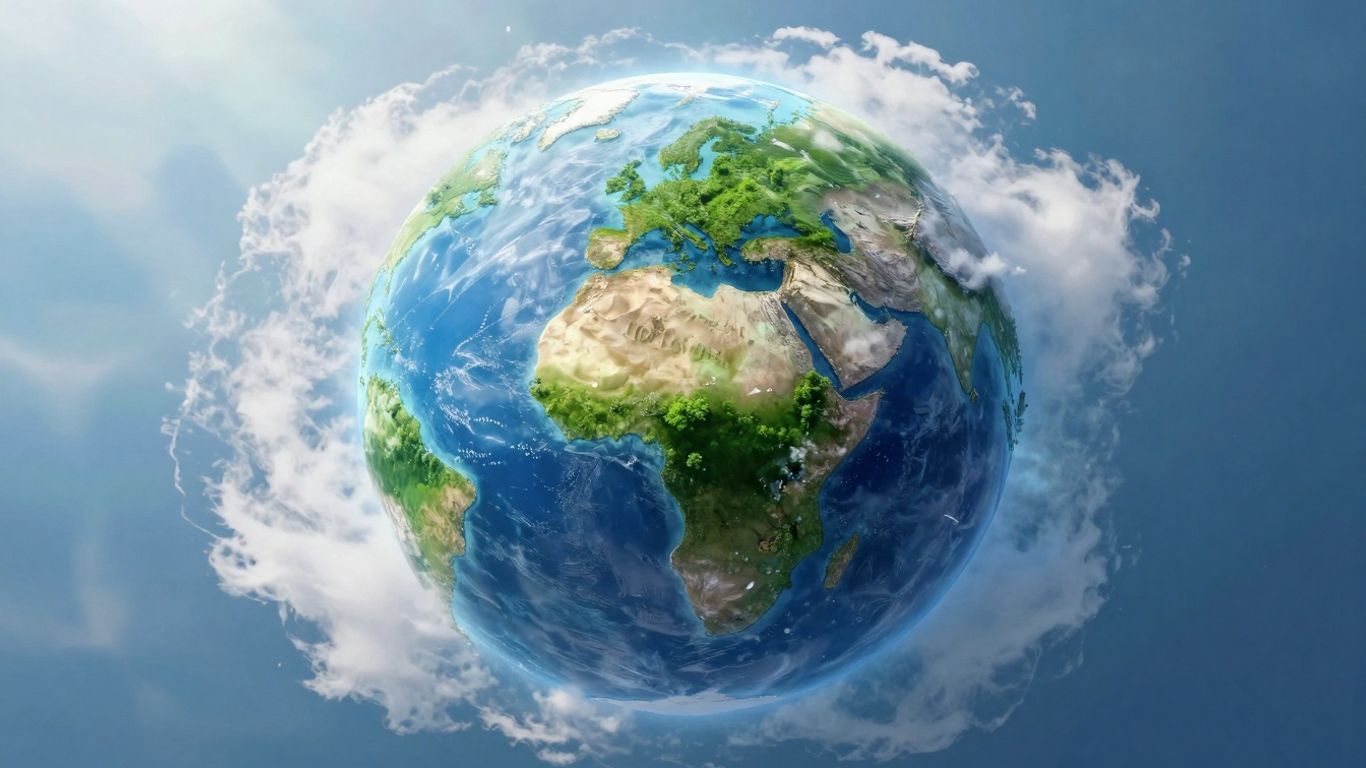
So, you've heard the term 'decarbonisation' thrown around a lot lately, right? It sounds big and maybe a little complicated, but it's really just about cutting down the greenhouse gases we put into the air. Think of it as cleaning up our act to help the planet. We've got this goal called 'net zero emissions,' which basically means we aim to put no more bad stuff into the atmosphere than we take out. This article breaks down what that means for all of us, why it's super important, and how we can actually get there. It's not just for scientists or governments; businesses and individuals have a role to play too.
Key Takeaways
- Decarbonisation is the process of reducing greenhouse gas emissions, primarily by moving away from fossil fuels towards cleaner energy sources and improving how we use energy.
- Achieving net zero emissions means balancing the greenhouse gases we release with those we remove from the atmosphere, a goal crucial for tackling climate change.
- Businesses face financial risks if they don't decarbonise but also big opportunities to improve their brand and become more resilient by adopting low-carbon practices.
- Key strategies for decarbonisation include switching to renewable energy, making operations more energy-efficient, using cleaner transport, and protecting natural areas that absorb carbon.
- While there are challenges like cost, technology, and changing habits, partnerships, innovation, and clear policies can help overcome these hurdles to reach decarbonisation goals.
Understanding Decarbonisation: The Path to Net Zero
Defining Decarbonisation and Its Core Principles
So, what exactly is decarbonisation? At its heart, it's the process of reducing the amount of carbon dioxide and other greenhouse gases we put into the atmosphere. Think of it as cleaning up our act, emission by emission. The main idea is to move away from burning fossil fuels like coal, oil, and natural gas, which are the big culprits behind climate change. Instead, we're looking at cleaner ways to power our lives and industries. The ultimate goal is to reach 'net zero' emissions, which means we balance out any remaining emissions with methods that remove them from the air, like planting trees or using carbon capture technology. It’s not just about cutting back a little; it’s a fundamental shift in how we operate.
The Urgency of Decarbonisation in a Changing Climate
Let's be real, the climate is changing, and it's happening faster than many expected. Scientists have been warning us for years, and the evidence is pretty clear. We're seeing more extreme weather events, rising sea levels, and all sorts of disruptions. The clock is ticking, and we don't have a lot of time to waste if we want to keep the planet habitable for future generations. The Paris Agreement set targets to limit global warming, and hitting those marks requires serious cuts in emissions by 2030 and reaching net zero by mid-century. It’s a massive undertaking, but the cost of doing nothing is far, far greater. We need to start making big changes now, not later.
Decarbonisation's Role in Achieving Global Climate Goals
Decarbonisation is the backbone of achieving those big global climate goals. Without it, targets like limiting warming to 1.5 degrees Celsius become pretty much impossible. It's about more than just one country or one industry; it's a worldwide effort. This involves a complete overhaul of our energy systems, how we build things, how we travel, and even how we grow our food. It’s a complex puzzle, but every piece, every reduction in emissions, brings us closer to a stable climate. This transition requires a coordinated effort, from governments setting policies to businesses innovating and individuals making conscious choices. It’s a shared responsibility, and the path to net zero is paved with these decarbonisation efforts, including developing net-zero carbon concrete by 2050.
Why Decarbonisation Is Crucial for Businesses
Look, nobody wants to be left behind, right? And in today's world, that applies to businesses and their carbon footprint too. It’s not just about being a good global citizen anymore; it’s becoming a smart business move. Companies that get ahead of the curve on reducing their emissions are finding they have a real edge.
Mitigating Financial Risks and Seizing Opportunities
Let's talk money. Sticking with old, carbon-heavy ways of doing things is getting expensive. Think about fluctuating fossil fuel prices – they can really mess with your budget. By switching to cleaner energy sources, like solar or wind, you can often lock in more predictable energy costs. Plus, there are government incentives and grants popping up all the time for businesses that invest in green tech. It’s not just about avoiding costs, though. There’s a whole new market opening up for sustainable products and services. Customers are actively looking for companies that align with their values, and being able to show you're serious about reducing emissions can open doors to new clients and partnerships. Setting science-based targets, for instance, can provide a clear roadmap for these changes [bca9].
Enhancing Brand Equity and Competitive Advantage
Your company's reputation matters. In an age where information travels fast, being known as a polluter isn't a good look. On the flip side, companies that are transparent about their decarbonisation efforts and show real progress build trust. This can translate into a stronger brand image, making it easier to attract and keep customers, as well as top talent. Think about it: would you rather work for or buy from a company that’s actively trying to be part of the solution, or one that’s part of the problem? It’s a competitive differentiator that’s only going to become more important.
Building Long-Term Resilience Through Reduced Carbon Dependency
What happens when regulations tighten, or when the next supply chain disruption hits? Companies that are heavily reliant on fossil fuels are more vulnerable. They face potential fines, operational shutdowns, and difficulty sourcing materials. By diversifying your energy sources and making your operations more efficient, you build a more robust business. This means you're better prepared to handle unexpected changes and can operate more smoothly, no matter what the future throws your way. It’s about future-proofing your business in a world that’s rapidly changing.
Here are a few practical steps businesses are taking:
- Energy Efficiency Upgrades: Simple things like better insulation, LED lighting, and more efficient machinery can make a big difference.
- Renewable Energy Adoption: Installing solar panels on-site or purchasing renewable energy credits.
- Supply Chain Engagement: Working with suppliers to help them reduce their own emissions.
The shift towards decarbonisation isn't just an environmental imperative; it's a strategic business necessity. Companies that proactively address their carbon footprint are positioning themselves for greater financial stability, improved public perception, and a stronger competitive standing in the years ahead.
Key Strategies for Effective Decarbonisation
So, how do we actually go about cutting down those greenhouse gas emissions? It's not just one big thing, but a bunch of different actions working together. Think of it like building something – you need the right tools and a solid plan.
Transitioning Energy Sources to Renewables
This is a big one. We're talking about moving away from burning coal, oil, and gas for our power and heat. Instead, we look to the sun, the wind, and the water. Solar panels on rooftops and large wind farms are becoming more common, and that's a good sign. It's about tapping into energy sources that don't run out and don't pump out pollution. Many companies are now using smart systems to track their energy use and figure out the best ways to bring in clean power across all their locations. It’s a fundamental shift, but one that pays off in the long run.
Improving Energy Efficiency Across Operations
This is often the easiest place to start, and it saves money too. It means making sure we're not wasting energy in the first place. This could be anything from upgrading old, clunky machinery to better, more efficient models, to making sure buildings are well-insulated so less heat escapes in the winter. Even small changes, like switching to LED lights or optimizing how machines run, add up. It’s about getting the most out of the energy we use, which naturally lowers both our bills and our emissions. It’s a win-win, really.
Adopting Zero-Emission Vehicles and Technologies
Think about all the cars, trucks, and vans on the road. A lot of those run on gasoline or diesel, which are major sources of emissions. Switching to electric vehicles (EVs) is a key part of the puzzle. This applies not just to personal cars but also to delivery fleets and public transport. Beyond just vehicles, it also means looking at industrial processes and how we heat our homes and businesses. Electrifying these systems, especially when powered by clean energy, makes a huge difference. It’s about replacing old, polluting tech with cleaner alternatives.
Preserving and Expanding Natural Carbon Sinks
Nature itself is a pretty amazing carbon catcher. Forests, oceans, and even healthy soil absorb carbon dioxide from the atmosphere. So, protecting existing forests and planting new trees (reforestation and afforestation) is a vital strategy. It’s not just about stopping emissions, but also about actively removing the carbon that’s already there. These natural solutions work alongside technological ones to help us reach net-zero emissions.
Here’s a quick rundown of the main strategies:
- Renewable Energy: Shifting to solar, wind, hydro, etc.
- Energy Efficiency: Using less energy through better equipment and practices.
- Electrification: Moving transport, heating, and industry to electric power.
- Carbon Sinks: Protecting and growing forests and natural ecosystems.
- Innovation: Developing new, cleaner technologies for specific industries.
Making these changes isn't always simple, and it requires a clear plan. It involves looking at where emissions come from and then picking the right tools to tackle them. Sometimes it's about big investments, and other times it's about smarter ways of doing things we already do.
Transforming Energy Systems for Decarbonisation
So, we've talked about why decarbonisation matters and some general strategies. Now, let's get into the nitty-gritty of how we actually change the way we power our world. This isn't just about swapping out light bulbs; it's a massive overhaul of how we generate, move, and use energy.
Decarbonising Power Generation and Grid Integration
This is where it all starts, right? We need to move away from burning coal and gas to make electricity. Think wind turbines spinning and solar panels soaking up the sun. But it's not just about adding more renewables; it's about making the whole grid smarter. The grid needs to handle power coming from lots of different places, sometimes unpredictably, and deliver it reliably. This means better storage solutions, like big batteries, and advanced systems that can balance supply and demand in real-time. It's a complex puzzle, but getting the power sector clean is a huge step.
Electrifying Mobility and Sustainable Transport
Our cars, trucks, buses, and even trains are big emitters. The obvious answer here is electric vehicles (EVs). But it's more than just plugging in your car. We need charging infrastructure everywhere, and the electricity powering those chargers needs to be clean. For heavy transport, like long-haul trucking or shipping, we're looking at things like hydrogen fuel cells or advanced biofuels. The goal is to make moving people and goods cleaner and quieter.
Innovating in Industrial Processes and Materials
Industry is a tough nut to crack. Factories use a ton of energy, and some processes, like making cement or steel, are inherently carbon-intensive. We're seeing a push for cleaner production methods, using electricity where possible, or exploring things like hydrogen as a fuel. There's also a big focus on new materials that have a lower carbon footprint from the start. Think about using recycled materials or developing alternatives to high-emission products. It's about rethinking how things are made.
Reducing Emissions from Buildings and Heating
Our homes and offices use a lot of energy for heating, cooling, and lighting. The big shift here is moving away from natural gas boilers to electric heat pumps or district heating systems powered by renewables. Better insulation and smarter building designs also play a massive role in cutting down energy needs in the first place. For existing buildings, retrofitting them to be more energy-efficient is a major undertaking, but it's necessary. Making our buildings work for the climate, not against it, is key.
The transformation of our energy systems is a multi-faceted challenge. It requires not only technological advancements but also significant investment in new infrastructure and a willingness to adapt how we consume energy. This shift is foundational for achieving broader decarbonisation goals across all sectors of the economy.
Here are some key areas driving this transformation:
- Renewable Energy Integration: Expanding solar, wind, and other clean sources while improving grid stability.
- Electrification: Shifting transport, heating, and industrial processes to run on electricity.
- Energy Efficiency: Reducing overall energy demand through better design and technology.
- Sustainable Fuels: Developing and using low-carbon alternatives for sectors hard to electrify.
This whole energy system overhaul is a massive project, and it's already underway. It's about building the infrastructure for a sustainable future and making sure it's accessible and reliable for everyone.
Navigating Challenges in Decarbonisation Implementation
So, we've talked a lot about why decarbonisation is important and how to do it. But let's be real, it's not always a walk in the park. There are definitely some bumps in the road when companies try to make these big changes. It's like trying to redecorate your whole house in a weekend – sounds great in theory, but then you hit unexpected problems.
Addressing Financial and Investment Hurdles
Money is often the first big hurdle. Big shifts, like installing new solar panels or upgrading machinery, cost a lot upfront. For smaller businesses, especially, this can feel impossible. They might not have the cash lying around, and getting loans for 'green' projects can sometimes be tricky if the payback period isn't super clear. It's a bit of a gamble, and not everyone can afford to take that risk. Plus, figuring out the exact financial return on these investments can be complicated, making it hard to justify the spending to stakeholders.
Overcoming Technological Limitations and Infrastructure Gaps
Sometimes, the technology just isn't quite there yet, or it's not practical for every situation. Think about long-haul trucking or heavy industry – switching to electric power isn't as simple as it is for a city car. We need better batteries, more charging infrastructure, and new ways to produce things like steel and cement without burning fossil fuels. It requires a lot of innovation and building new systems from the ground up, which takes time and a lot of coordinated effort.
Managing Behavioural Resistance and Cultural Shifts
People are creatures of habit, right? Asking employees to change how they work, or customers to accept new products or services, can be tough. There might be a fear of the unknown, or just plain old resistance to change. Sometimes, people get a bit too confident about new tech and underestimate the real-world difficulties, or there's a lack of buy-in from the top. Getting everyone on the same page and excited about the changes is a huge part of the puzzle.
Clarifying Policy and Regulatory Frameworks
Governments play a big role, but sometimes their rules can be confusing or change too often. When companies are trying to plan for the long term, having clear, consistent policies is super important. If the regulations aren't clear about how things will be enforced or what the timelines are, it makes it hard for businesses to make those big, long-term investments needed for decarbonisation. It's like trying to build a house when the building codes keep changing.
Making these changes isn't just about following rules; it's about building a business that can last. Companies that figure out how to tackle these challenges often find they become more efficient and better prepared for the future, no matter what comes their way.
Real-World Examples of Decarbonisation in Action
It's one thing to talk about cutting emissions, but it's another to see it actually happening. Luckily, there are plenty of examples out there showing how cities, companies, and even entire countries are getting serious about reducing their carbon footprint. These aren't just theoretical ideas; they're practical steps making a real difference.
Municipal Climate Action Programs
Cities are often on the front lines of climate change, so it makes sense they're leading the charge in decarbonisation. Take Santa Cruz, for instance. They set up a Climate Action Program with clear goals: a 30% emission cut by 2020 and a massive 80% reduction by 2050. And guess what? They hit their 2020 target. They've also managed to get 200 businesses certified as 'Green Businesses' and are powering about 30% of the city's needs with renewable energy. It shows that local governments can make a big impact.
- Setting ambitious, measurable targets.
- Engaging local businesses and residents.
- Investing in renewable energy infrastructure.
- Improving waste management and diversion rates.
Corporate Property and Building Strategies
Buildings are huge energy consumers, so making them greener is a smart move for companies. Canada, for example, has a Green Buildings Strategy. They're putting money into upgrading federal buildings and promoting green building standards. This isn't just about looking good; it's about long-term savings and creating healthier spaces. Think better insulation, more efficient heating and cooling systems, and using sustainable materials. It's a whole approach to property management that prioritizes sustainability.
Reducing emissions from buildings involves a mix of upgrading existing structures and designing new ones with energy efficiency in mind from the start. This includes better insulation, smart thermostats, and the use of low-carbon building materials.
National Initiatives for Green Infrastructure
On a larger scale, governments are pushing for green infrastructure projects. This could mean anything from expanding public transport networks to investing in renewable energy grids. For example, there's a lot of work happening in Europe around the transition to battery electric trucks, and similar efforts are underway in places like Japan for green steel production. These big projects require significant investment but have the potential to reshape entire industries and significantly reduce emissions.
Here's a quick look at what these initiatives often involve:
- Developing renewable energy sources like solar and wind farms.
- Modernizing electricity grids to handle more renewable power.
- Supporting the adoption of electric vehicles through charging infrastructure and incentives.
- Investing in sustainable transport options like high-speed rail and improved public transit.
Leveraging Partnerships and Innovation for Decarbonisation

Look, nobody's going to hit net-zero all by themselves. It's just too big a problem. That's where working with others and coming up with new ideas really comes into play. Think about it: your company might be great at making widgets, but maybe you're not the best at figuring out how to power your factory with sunshine. That's where partnerships shine.
Collaborating with Suppliers and Industry Consortia
Your supply chain is a huge part of your carbon footprint, often bigger than your own operations. So, you've got to get your suppliers on board. This isn't about pointing fingers; it's about working together. Maybe you can help a supplier invest in more efficient machinery, or perhaps you can agree on using lower-carbon materials for your products. Industry groups are also super helpful. They can set standards, share best practices, and even pool resources for research. It’s like a big group project for the planet. Getting everyone rowing in the same direction makes a massive difference.
Investing in Emerging Low-Carbon Technologies
We're not going to solve this with just what we have today. There are tons of smart people working on new ways to cut emissions, from better battery storage to cleaner industrial processes. Putting money into these new technologies, even if they're not perfect yet, is a gamble that can pay off big time. It helps these ideas get off the ground and become mainstream faster. Plus, being an early adopter can give you a real edge.
Utilising Data-Driven Insights for Emission Tracking
Remember that old saying, 'You can't manage what you don't measure'? It's totally true for carbon emissions. You need good data to know where your emissions are coming from. This means tracking everything, from the electricity you use to the materials you buy. Tools that help automate this, like those for calculating product carbon footprints, are becoming really important. They take the guesswork out and give you solid numbers to work with. This kind of accurate carbon accounting is becoming a compliance requirement in many places.
Engaging Stakeholders in the Decarbonisation Journey
Decarbonisation isn't just an internal company thing. You've got customers who care about where their products come from, investors who are looking at climate risk, and employees who want to work for companies doing the right thing. Talking to them, being open about your goals and your progress, and even getting their input can make a huge difference. It builds trust and can even lead to new ideas. It’s about building a shared vision for a cleaner future.
Sometimes, the biggest breakthroughs happen when different groups with different skills come together. It's not just about technology; it's about people and how they work together to solve tough problems. Think of it as building a community around a common goal.
Working together and finding new ways to cut down on pollution is key to a cleaner future. By teaming up and using smart ideas, we can make a big difference. Want to learn more about how we can help your business go green? Visit our website today!
Wrapping It Up: The Road to Net Zero
So, we've talked a lot about decarbonization and what it means to hit net zero. It's not exactly a walk in the park, and honestly, it's going to take a lot of work from everyone – businesses, governments, and us regular folks too. We've seen that switching to cleaner energy, making our systems more efficient, and even changing how we do things day-to-day are all part of the puzzle. It might seem like a huge mountain to climb, but the good news is, we're already seeing progress and there are real opportunities to build a better, cleaner future. It's about making smart choices now so we can all breathe a little easier later.
Frequently Asked Questions
What exactly is decarbonization?
Decarbonization is all about cutting down the amount of carbon dioxide and other greenhouse gases we release into the air. Think of it like cleaning up after ourselves. It means using less energy from things like coal and oil, and more energy from sources that don't pollute, like the sun and wind. The main goal is to reach 'net zero,' which is when we balance out the pollution we create with the pollution we remove.
Why is decarbonization so important right now?
Our planet is getting warmer, and scientists are worried we're running out of time to stop it from getting worse. If we don't make big changes soon, like cutting emissions drastically, we could face really serious problems. Decarbonization is our best bet to avoid the worst effects of climate change and keep the planet healthy for everyone.
How does decarbonization help businesses?
Businesses that focus on decarbonization can actually save money in the long run. They might face fewer fines, attract more customers who care about the environment, and become stronger and more reliable. It's not just about being 'green'; it's smart business that helps companies last and do well in the future.
What are the main ways to achieve decarbonization?
There are several key strategies. A big one is switching to clean energy sources like solar and wind power. Another is making sure we use energy more wisely in everything we do, from factories to our homes. We also need to use cleaner transportation, like electric cars, and protect and grow natural places like forests that soak up carbon.
Are there challenges in making these changes?
Yes, it's not always easy. Sometimes it costs a lot of money to switch to new technologies. We might not have all the right tools or infrastructure yet. Also, people can be resistant to changing how they've always done things. Governments need to create clear rules to help guide these changes too.
Can you give an example of decarbonization in action?
Many cities and countries are working on this. For example, some cities have programs to encourage using renewable energy and reducing waste. Companies are also upgrading their buildings to be more energy-efficient and are investing in electric vehicles for their delivery fleets. These are all steps toward a cleaner future.