
Brilliant Planet: Unveiling Innovative Solutions for a Sustainable Future
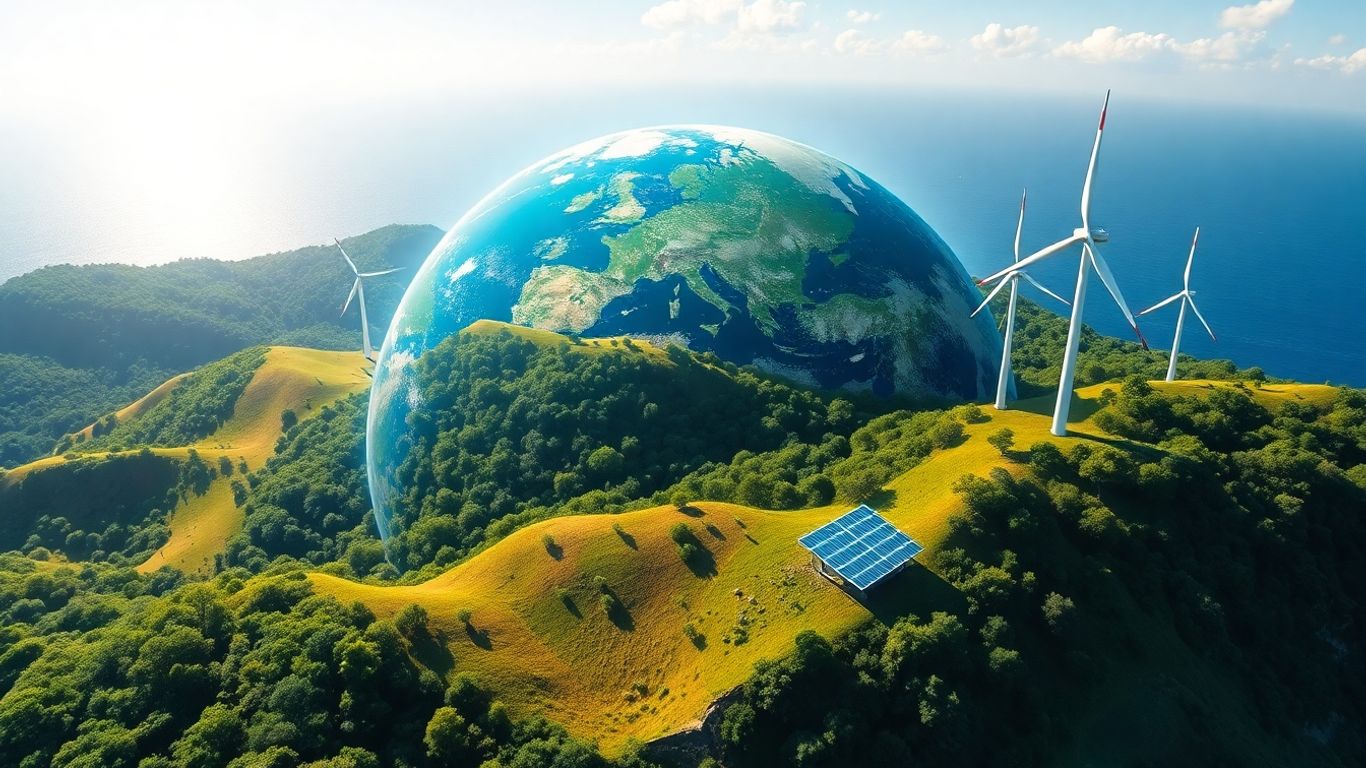
We're living in a time where taking care of our planet feels more important than ever. It's easy to feel overwhelmed by all the news about climate change and losing species. But there's also a lot of good work happening, with people and organizations coming up with smart ideas to help. This article looks at some of those innovative solutions and how they can help us build a better, more sustainable future for everyone. It’s about noticing the problems but also focusing on the progress and the potential for a brilliant planet.
Key Takeaways
- Setting up a dedicated center for science and digitizing collections can help us understand our past and plan for the future, using modern tech for natural history research.
- We need to get more people involved in protecting the planet, using projects like urban nature initiatives and online platforms to spread awareness and encourage action.
- Leading by example means setting clear goals for reducing carbon emissions and actively cutting down on energy and water use, plus promoting ways to reuse items to cut waste.
- Declaring a 'planetary emergency' and creating long-term plans are necessary steps to address big issues like climate change and the loss of different species.
- Thinking about how city planning, mapping systems, and economic growth can work together with nature is vital for a healthy planet and people.
Championing a Brilliant Planet Through Science
Science is our compass in understanding and protecting this amazing planet. We're building a new kind of hub, a Sustainable Science and Digitisation Centre. Think of it as a super-secure vault for our planet's history, but also a launchpad for future solutions. This center will bring together bright minds and the latest tech to make sense of centuries of natural history research. It's all about gathering solid data that can help tackle the big ecological problems we face globally.
Establishing a Sustainable Science and Digitisation Centre
This isn't just about storing old specimens; it's about making them work for us. We're creating a state-of-the-art facility designed for the long haul. It will house our vast collections, making them accessible for researchers and innovators. The goal is to apply 21st-century tools to understand our past and chart a course for a healthier future. This center will be a place for collaboration, bringing together scientists, museums, and industries to share knowledge and resources.
Leveraging 21st Century Technologies for Natural History
Imagine using advanced imaging to see the tiniest details in a fossil, or AI to analyze massive datasets of species distribution. That's what we're talking about. We're bringing cutting-edge digital tools to bear on our natural history collections. This allows us to spot trends, understand environmental changes, and predict future impacts with much greater accuracy. It’s about transforming raw data into actionable insights.
Providing Critical Data for Global Ecological Efforts
Our planet's health is a global concern, and we need good information to act. The data we collect and analyze will be shared to support worldwide efforts. This includes information on biodiversity, climate patterns, and ecosystem health. By making this data available, we help scientists and policymakers everywhere make better decisions. It’s a way of contributing to a collective, informed response to environmental challenges.
The sheer volume of information gathered from our planet's natural history is immense. Properly cataloging, digitizing, and analyzing this data is key to understanding the complex web of life and how it's changing. This scientific foundation is what allows us to propose effective, evidence-based solutions for a sustainable future.
Here’s a look at what this center aims to achieve:
- Data Collection & Analysis: Gathering and processing vast amounts of ecological and historical data.
- Technological Integration: Employing AI, advanced imaging, and digital platforms.
- Research & Collaboration: Facilitating partnerships for scientific discovery.
- Knowledge Sharing: Making critical data accessible for global initiatives.
- Preservation: Safeguarding our natural heritage for future generations.
Cultivating Advocates for Planetary Health
It's not enough for scientists to just do their work in labs or out in the field. We need people who can actually speak up for the planet, you know? That's where this whole idea of creating 'advocates for the planet' comes in. It’s about getting everyone, from kids visiting a museum to big-shot business leaders, to understand what's happening and feel like they can actually do something about it. We want to inspire action, plain and simple.
Inspiring Action Through Engagement and Empowerment
Think about it: how do you get millions of people to care about something as huge as the planet's health? It's a big question, for sure. One way is through really engaging projects. Take the Urban Nature Project, for instance. It's all about bringing nature back into our cities, which is where most of us live anyway. It’s a hands-on way to see how biodiversity is doing right in our own neighborhoods. Plus, creating new exhibits and programs, especially for younger kids, helps them imagine a future where people and nature can actually get along. It’s about giving people the tools and the knowledge so they feel like they have a part to play.
Expanding Reach with Urban Nature Projects
These urban nature projects are pretty neat. They're not just about planting a few trees. It's about looking at the whole picture of how nature can survive and even thrive in places we've built up. Imagine transforming a museum's garden into a mini-ecosystem, or setting up nature walks in city parks. It makes the abstract idea of 'biodiversity' feel a lot more real when you can see it, touch it, and learn about it right where you are. It’s about showing that nature isn't just something you find in a faraway jungle; it's all around us, even in the middle of a busy town.
Utilizing Digital Platforms for Global Awareness
And then there's the digital side of things. With the internet, we can reach so many more people than ever before. Creating online hubs with information about the planet's problems, like human impact and pollution, is a big part of it. It's also a place to share what we can do. Think about virtual tours, interactive maps, or even just sharing cool nature sounds from different parts of the world. It’s a way to connect people globally, sharing stories and data that can really make a difference in how we think about and treat our planet. It’s about making the conversation global.
We need to move beyond just talking about problems. The goal is to create a movement where people feel connected to nature and motivated to protect it. This involves making complex scientific ideas accessible and showing how individual actions contribute to a larger solution.
Leading by Example in Environmental Stewardship
It’s not enough to just talk about saving the planet; we have to actually do it. That’s where leading by example comes in. Institutions, especially those focused on science and nature, have a unique chance to show everyone else how it’s done. Think about it: setting ambitious goals and then actually hitting them. That’s the kind of thing that gets noticed and, hopefully, inspires others.
Setting Science-Based Carbon Reduction Targets
This is a big one. We’re talking about making commitments that are actually tied to what science tells us is needed to keep global warming in check, like sticking to the 1.5°C goal from the Paris Agreement. It’s not just about saying you’ll reduce emissions; it’s about figuring out exactly how much and by when, based on solid data. This means looking at everything an organization does – from heating and cooling buildings to how people get to work – and finding ways to cut down on greenhouse gases.
Implementing Energy and Water Conservation Strategies
Once you have those targets, you need a plan. For energy, this could mean upgrading old equipment to more efficient models, maybe even looking into things like heat pumps or solar panels. For water, it’s about fixing leaks, using low-flow fixtures, and educating staff on how to be mindful of their usage. These aren't just one-off fixes; they're ongoing efforts that become part of how an organization operates day-to-day.
Promoting a Refill Culture to Minimize Waste
Single-use items are a huge source of waste, especially plastic. Encouraging people to bring their own reusable bottles, coffee cups, and containers is a simple but effective way to cut down on trash. It requires a shift in mindset, making reusables the norm rather than the exception. This can involve setting up convenient refill stations and making sure reusable options are readily available.
Making these changes isn't always easy, and it definitely takes effort. But when organizations commit to these practices, they send a powerful message. It shows that sustainability isn't just a buzzword; it's a core value that guides their actions and influences their impact on the world around them.
Addressing the Planetary Emergency with Bold Strategies

It's pretty clear we're facing some serious issues with our planet. Things like climate change and the loss of different species aren't just abstract problems anymore; they're real and happening now. We need to stop just talking about it and actually do something significant. Declaring a planetary emergency isn't just a symbolic gesture; it's a call to action, a way to say, 'This is urgent, and we need to focus our efforts.' It means shifting our priorities and recognizing that the health of the Earth is directly tied to our own future.
Declaring a Planetary Emergency for Urgent Action
This isn't about fear-mongering; it's about facing facts. The scientific community has been sounding the alarm for years, and now it's time for institutions and individuals to step up. By formally acknowledging a planetary emergency, we create a framework for immediate and decisive action. It's a commitment to prioritize environmental protection and sustainability in all our decisions, from local policies to global initiatives. This declaration helps to galvanize support and resources needed to tackle the complex challenges ahead.
Developing an Eleven-Year Vision for People and Planet
Thinking long-term is key. We need a clear roadmap, a plan that outlines what we want to achieve for both humanity and the natural world over the next decade or so. This vision should be ambitious but achievable, focusing on concrete steps and measurable outcomes. It's about building a future where people and the planet can thrive together, not just survive. This kind of forward-thinking approach helps guide our actions and ensures we're working towards a common goal.
Responding to Climate Change and Biodiversity Loss
These two issues are deeply connected. Climate change puts immense pressure on ecosystems, leading to habitat destruction and species extinction. Conversely, the loss of biodiversity weakens the planet's ability to regulate the climate. Our response needs to be multifaceted, addressing both crises simultaneously. This involves transitioning to cleaner energy sources, protecting natural habitats, and restoring degraded ecosystems. It's a complex puzzle, but innovative technologies are starting to offer new pathways forward, like those explored in advanced ecological solutions.
Here's a look at some key areas we need to focus on:
- Reducing greenhouse gas emissions: This means moving away from fossil fuels and embracing renewable energy.
- Protecting and restoring habitats: Safeguarding forests, oceans, and other natural areas is vital for biodiversity.
- Sustainable resource management: Using resources like water and land more wisely to avoid depletion.
- Promoting circular economy principles: Minimizing waste by reusing and recycling materials.
The interconnectedness of our planet's systems means that addressing one crisis often helps alleviate the others. A holistic approach is not just beneficial; it's necessary for long-term success.
Innovations for a Thriving Ecosystem

Interconnected Systems for Sustainable Urban Planning
Cities are getting bigger, and that means we need smarter ways to build them so they don't just gobble up all the natural space around them. It's all about making sure buildings, transport, green areas, and even how we manage waste all work together. Think of it like a giant puzzle where every piece has to fit just right. When we plan cities this way, we can cut down on pollution, make sure everyone has access to parks and fresh air, and generally make urban living a lot more pleasant. It’s not just about making things look nice; it’s about creating places where people and nature can actually coexist.
Geographic Information Systems for Global Planning
Geographic Information Systems, or GIS, are pretty amazing tools. They let us map and analyze all sorts of data about our planet. We can use them to figure out where to best protect natural habitats, or where new developments might cause problems for wildlife. For example, a seafood company in Nova Scotia uses GIS to plan where to fish for clams and crabs. This helps them catch more with fewer trips, which saves money and also means less disruption to the ocean floor. It’s a way to make smarter decisions about how we use land and resources, not just for business, but for the planet too.
Ensuring a Prosperous Global Economy and Ecosystem
It might seem like the economy and the environment are always at odds, but they really don't have to be. In fact, a healthy planet is pretty important for a healthy economy in the long run. When we protect natural resources, like clean water and healthy forests, we're actually investing in our future. This means thinking about how our businesses operate and making sure they aren't damaging the environment. It's about finding ways to grow economically without wrecking the natural systems that support us all. This shift towards sustainability is not just good for the planet; it's becoming good business.
We need to move away from making things that are thrown away after a short time. Think about your phone – it probably won't last more than a few years. If we could create materials that last longer, or even repair themselves, we'd save a huge amount of energy and resources that currently go into making and recycling everything we own.
Harnessing Visionary Ideas for a Sustainable Future
Sometimes, the biggest leaps forward come from looking back at ideas that were ahead of their time. Nikola Tesla, for instance, dreamed of a world powered wirelessly. His Wardenclyffe Tower project, though never fully realized due to funding issues, planted a seed for clean energy that still grows today. It’s a reminder that even unfinished projects can spark incredible innovation.
Tesla's Legacy in Wireless Energy Transmission
Tesla's vision wasn't just about convenience; it was about a cleaner planet. He imagined cutting down on the massive infrastructure of power lines, which themselves have an environmental footprint. While we're not quite at global wireless power yet, his ideas are echoed in the wireless charging pads we use for our phones and the ongoing research into more efficient energy transfer. It’s about rethinking how we connect to power.
Inspiring Clean Energy and Climate-Conscious Technologies
Tesla's influence is clear in so many areas today. Think about electric cars – they're a direct descendant of the kind of forward-thinking he championed. But it goes beyond just vehicles. His relentless drive to innovate pushes us to find new ways to generate and use energy that don't harm the environment. It’s about looking at problems with fresh eyes and not settling for the status quo.
Embracing Innovation for a Brighter, Cleaner World
Looking at Tesla's life shows us that big ideas, even if they seem impossible at first, are worth pursuing. His work encourages us to be bold in our own efforts to tackle climate change and build a better future. It’s a call to action for all of us to think creatively and push the boundaries of what’s possible.
The pursuit of new technologies, inspired by past visionaries, is key to solving today's environmental challenges. We need to keep asking 'what if?' and exploring unconventional paths to a sustainable world.
Here are a few ways we can see this spirit in action:
- Dream Engineering: Believe it or not, scientists are exploring how our dreams might help us solve problems. Research suggests dreams can help process emotions and even spark creative solutions to complex issues.
- Interconnected Systems: Modern mapping tools, like Geographic Information Systems (GIS), help us see how everything in our environment is linked. This allows cities and regions to plan better, considering everything from where to build parks to how to reduce digital divides, making sure development benefits everyone.
- Data-Driven Conservation: Using detailed maps, we can understand the potential impact of conservation efforts on different communities, making sure initiatives are fair and equitable. This technology also helps businesses make smarter choices, like optimizing fishing routes to reduce environmental disruption and costs.
Understanding Biodiversity's Crucial Role
It's easy to think of biodiversity as something happening far away, like in the Amazon rainforest or on the African savanna. But the truth is, it's all around us, even in our own backyards and city streets. Recognizing biodiversity loss as a catastrophic threat is the first step toward protecting it. We're seeing species disappear at an alarming rate, and this isn't just sad; it's a serious problem for the planet and for us.
Engaging the Public with Biodiversity Science
So, how do we get people to care about the tiny insects in their garden or the birds singing outside their window? It's about making nature relatable. Think about the Urban Nature Project, which is turning a museum's grounds into a hub for studying and celebrating city wildlife. It's a way to show everyone that nature isn't just
Biodiversity is super important for our planet's health. It's like a giant web where every living thing plays a part. When we protect different plants and animals, we're actually helping ourselves too. Want to learn more about how we can all help keep our world vibrant and alive? Visit our website today!
Looking Ahead: Our Shared Responsibility
So, we've seen some pretty amazing ideas out there, from museums rethinking how they connect with us about the planet to new ways of using tech to understand our world better. It’s clear that tackling the big environmental issues isn't just up to scientists or politicians anymore. Everyone has a part to play, whether it's making small changes in our daily lives or supporting bigger projects. The goal is to keep pushing for these smart solutions and to remember that our planet is something we all share. Let's keep the conversation going and work together to build a healthier future for everyone.
Frequently Asked Questions
What is the main goal of the Brilliant Planet initiative?
The main goal is to find and share new ideas for making our planet healthier and more sustainable for everyone. It's about using science, technology, and teamwork to solve big problems like climate change and the loss of nature.
How will science and technology help protect our planet?
Scientists are using advanced tools, like computers and special mapping software, to study nature better. They are also creating places to store and share important information about the environment. This helps us understand problems and find solutions faster.
What does it mean to be an 'advocate for the planet'?
Being an advocate means speaking up for nature and taking action to protect it. The initiative wants to inspire people of all ages, from kids to leaders, to care about the environment and do something to help it.
How is the initiative trying to reduce its environmental impact?
It's setting goals to lower its carbon emissions, use less energy and water, and cut down on waste. They're also encouraging people to reuse items instead of throwing them away, like using refillable bottles.
Why is biodiversity so important?
Biodiversity means all the different kinds of life on Earth. Losing it is a huge problem, as serious as climate change. It's important because every living thing plays a role in keeping our planet healthy and balanced.
What are some innovative ideas being explored for a sustainable future?
The initiative looks at big ideas, like how we can plan cities better so they work well with nature, and even draws inspiration from past inventors like Nikola Tesla, who thought about new ways to get clean energy. It's all about finding creative solutions.