
Brilliant Planet: Revolutionizing Carbon Capture with Algae Farms
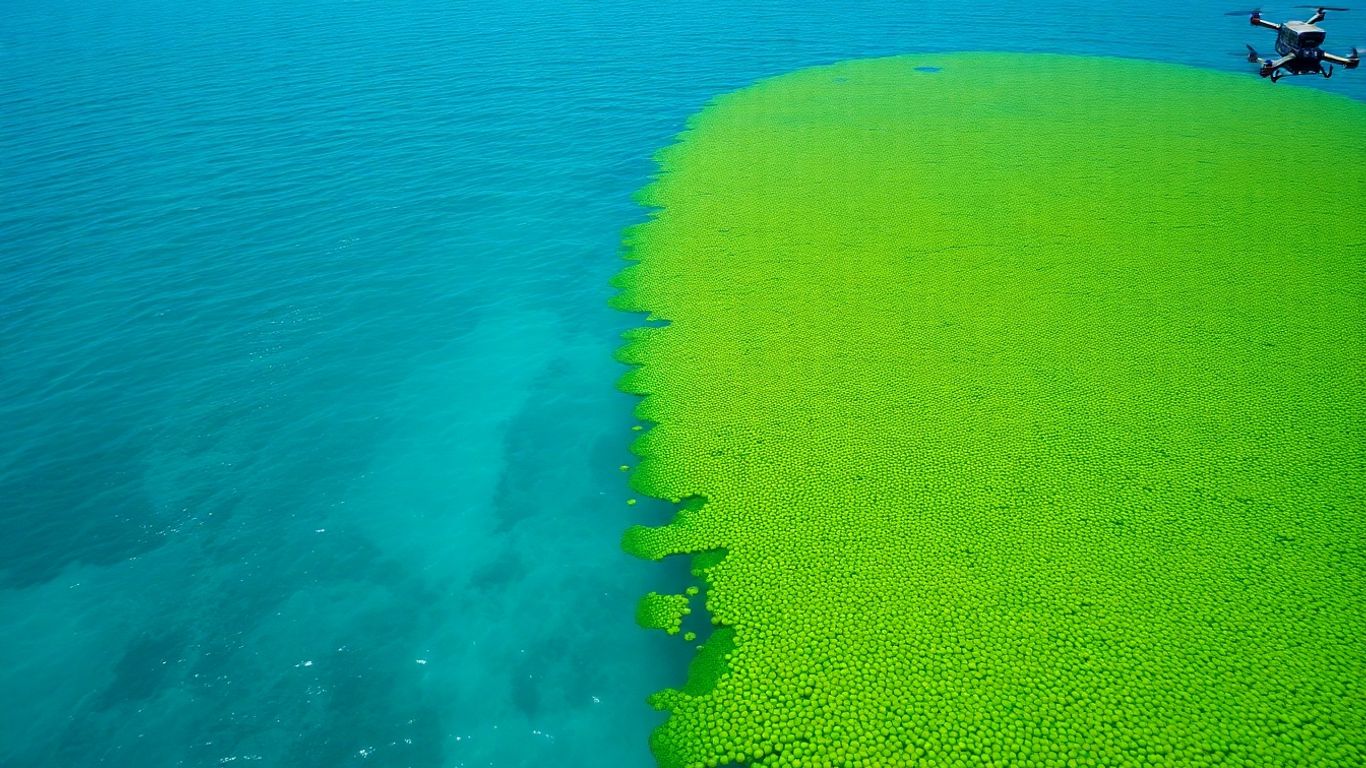
So, there's this company called Brilliant Planet, and they're doing something pretty cool with algae. You know, those green things that grow in water? Well, they're using them to suck carbon dioxide out of the air. It sounds simple, but it's actually a really smart way to tackle climate change. They've got these big farms where the algae get to work, using sunlight to grow and gobble up CO2. It seems like a big step up from other methods that use a lot of energy. Let's check out how they're doing it.
Key Takeaways
- Brilliant Planet uses algae farms to capture carbon dioxide, offering a more energy-efficient alternative to direct air capture methods.
- Their approach leverages the natural photosynthetic process of algae, which uses sunlight to actively absorb CO2.
- The company is scaling up rapidly, moving from a pilot project to a large demonstration site with ambitious plans for commercial expansion, backed by significant investment.
- Brilliant Planet engineers algae strains for faster growth and better carbon trapping, while also managing pond conditions like pH to maximize efficiency and deacidify ocean water.
- Beyond carbon capture, algae offer other benefits like wastewater treatment and producing useful biomass, though challenges remain in biomass disposal and understanding algal genetics.
Brilliant Planet's Innovative Approach to Carbon Capture
Harnessing Solar Energy for Algae Growth
Brilliant Planet is doing things a bit differently when it comes to pulling carbon dioxide out of the air. Instead of relying on energy-intensive machines, they're using tiny, natural powerhouses: algae. These microscopic organisms are masters at photosynthesis, using sunlight to grow and, in the process, absorbing CO2. This means a huge chunk of the energy needed for their carbon capture comes straight from the sun, which is a pretty big deal. It’s a much more natural way to tackle the problem, letting biology do a lot of the heavy lifting.
Overcoming Direct Air Capture's Energy Penalty
Traditional Direct Air Capture (DAC) methods often require a lot of electricity to pull CO2 molecules from the atmosphere. Think of it like trying to catch scattered dust particles – it takes a lot of effort. Algae, however, have a built-in system. Their cells actively pull in CO2 or bicarbonate using the sun's energy. This clever biological trick means algae-based capture can be significantly cheaper, potentially costing only 20-25% of what DAC methods do. It's a way to skip that expensive energy hurdle that many other carbon capture technologies face. This approach is a key reason why Brilliant Planet is scaling up so quickly compared to many other efforts.
Cost-Effective Carbon Sequestration with Algae
Because algae use sunlight for energy and grow rapidly, the whole process becomes more affordable. Brilliant Planet's method is designed to be cost-effective, aiming to sequester carbon at a much lower price point than many alternatives. They've even sold carbon credits to companies like Block, showing that this approach is not just environmentally sound but also economically viable. The goal is to make capturing carbon so affordable that it becomes a widespread solution. It's exciting to see how companies like this are finding practical ways to address climate change, much like the innovative agricultural tools being developed for farmers adapting to climate challenges in Kenya.
Here's a quick look at how their costs compare:
The company's strategy focuses on using abundant natural resources and biological processes to create a scalable and affordable carbon removal solution. This bypasses the high energy demands and associated costs of purely mechanical or chemical capture systems.
Scaling Up Brilliant Planet's Vision
Brilliant Planet isn't just tinkering in a lab; they're building something big. Their approach to carbon capture, using algae, is already showing it can grow much faster than many other carbon removal methods. A big reason for this is that algae get most of their energy from the sun. This is a huge advantage over things like direct air capture (DAC), which often need a lot of electricity to pull CO2 out of the air. Imagine trying to grab tiny specks of dust from a huge room – it takes a lot of effort. DAC is kind of like that. Algae, on the other hand, use sunlight to actively pull in CO2, making the whole process much more efficient and cheaper. In fact, algae-based carbon capture can cost about a quarter of what DAC systems do.
From Pilot Project to Demonstration Site
They've moved past the initial testing phase. Brilliant Planet has already finished its pilot project, which proved the concept. Now, they're constructing a demonstration site that's quite large – about 70,000 square meters. By early 2025, this site is expected to capture 100 tons of CO2 every year. This is a significant step up from the pilot, showing they can handle larger volumes.
Ambitious Commercial Expansion Plans
But they're not stopping there. The company has some really big plans for the future. The goal is to turn this into a massive commercial operation. By 2030, they aim to have a facility covering 14 million square meters. At that scale, they're looking to capture an incredible 270,000 tons of CO2 annually. That's a huge leap, showing a clear path towards making a real impact on carbon levels.
Securing Significant Investment for Growth
To make these ambitious plans a reality, Brilliant Planet has been successful in attracting substantial funding. They've secured over $25 million from investors, including well-known names like Toyota Ventures and Pegasus Tech Ventures. This financial backing is key to building out the larger facilities and continuing their research and development. It shows that investors see the potential in their algae-based carbon capture technology.
The process involves growing local marine algae strains, which are known for their rapid growth even in tough conditions. These algae can absorb up to 50 times more CO2 per area than a forest. After absorbing carbon, the algae are dried into flakes and buried underground, effectively storing the carbon for long periods.
Here's a look at their planned growth:
- Pilot Project: Completed, proving the technology.
- Demonstration Site: Under construction, targeting 100 tons CO2/year by early 2025.
- Commercial Facility: Planned for 2030, aiming for 270,000 tons CO2/year.
This staged approach, backed by solid investment, is how Brilliant Planet plans to scale its vision from a promising idea to a global climate solution.
The Science Behind Algal Carbon Capture
Genetically Engineering Algae for Enhanced Carbon Trapping
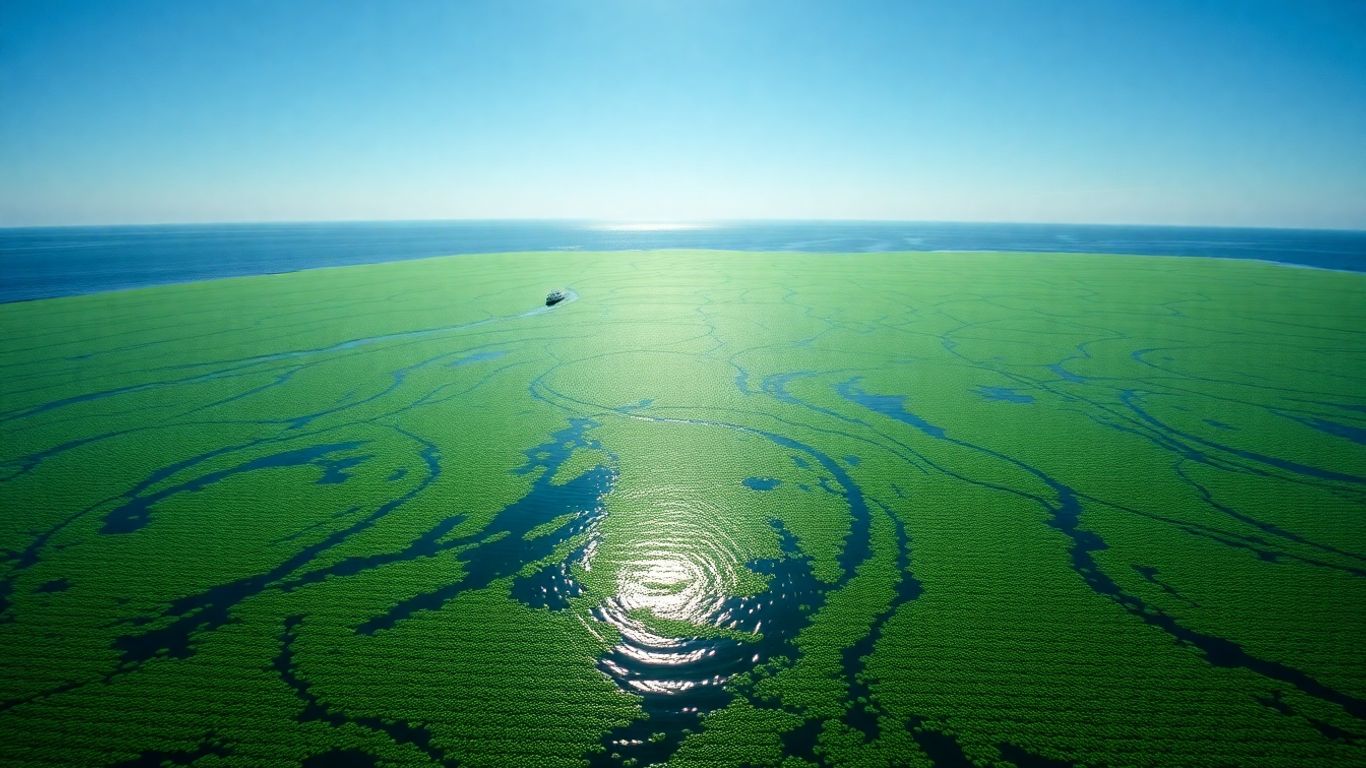
Algae are pretty amazing little organisms, and their natural ability to soak up carbon dioxide is a big reason why companies like Brilliant Planet are looking at them for climate solutions. But sometimes, nature needs a little nudge. Scientists are getting creative, tweaking algae's DNA to make them even better at capturing CO2. Think of it like giving them a superpower upgrade.
Optimizing Algal Strains for Rapid Growth
One of the main hurdles with using algae is that, well, they can be a bit slow or finicky. Some strains just don't grow as fast as we'd like, or they might be prone to getting sick or contaminated. This is where the science comes in again. Researchers are working on finding or creating algal strains that are tough, grow super quickly, and can handle different conditions. This means more algae, faster, which translates to more carbon captured.
It's not just about making them grow faster, but also about making them more robust. Some older strains, just sitting around in labs for decades, aren't really up to the task of large-scale carbon capture. The goal is to develop strains that are not only efficient carbon absorbers but also resilient enough for commercial operations.
The Role of Photosynthesis in CO2 Absorption
At its core, how algae capture carbon is through photosynthesis. It's the same process plants use, but algae are often way more efficient. They use sunlight, water, and CO2 to create energy for themselves and grow. This natural process is the engine driving their carbon-capturing ability.
Here's a simplified look at what's happening:
- Sunlight: Provides the energy needed for the whole operation.
- Water: A basic requirement for all life, including algae.
- Carbon Dioxide (CO2): The greenhouse gas we want to remove from the atmosphere. Algae take this in.
- Biomass: The algae grow, essentially storing the captured carbon in their cells.
Unlike some other carbon capture methods that require a lot of energy to pull CO2 out of the air, algae use the sun's free energy. They actively pull CO2 or bicarbonate from the water they live in, making the whole process much more energy-efficient and cost-effective. It's a neat trick that nature has perfected, and we're just learning to scale it up.
Brilliant Planet's Operational Excellence
Managing pH Levels in Algae Ponds
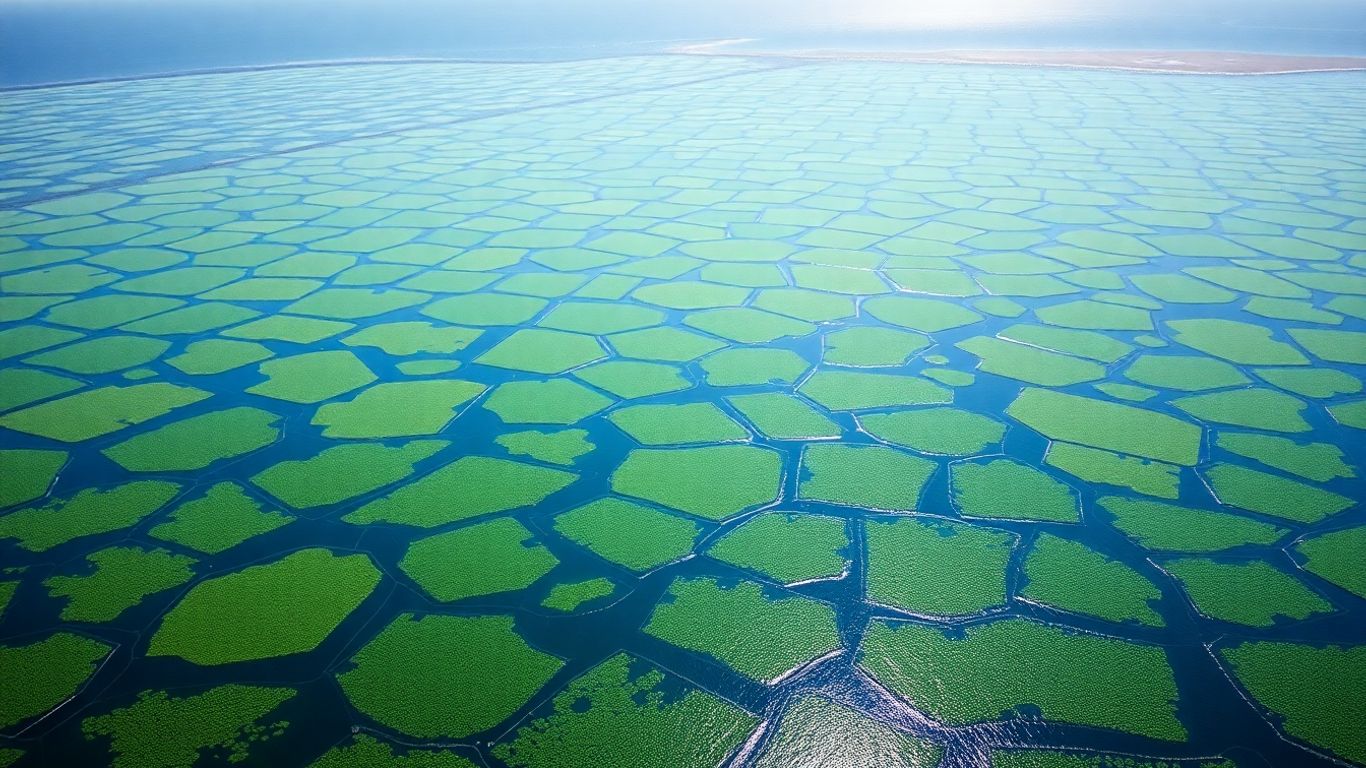
Keeping the water in the algae ponds just right is a big part of making this whole thing work. When they first fill the ponds with ocean water, it's a bit acidic because of CO2 from the air dissolving into it. As the algae get to work eating up those acidic compounds, the water's pH starts to climb. This is where things get tricky. If the pH gets too high, the water starts creating carbonates, which the algae can't actually use to grow. To stop this from happening, Brilliant Planet has a few tricks up its sleeve. They carefully inject more CO2 into the pond, give the algae a specific diet that helps keep the water a bit more acidic, and they also adjust how fast the water is stirred. It’s a constant balancing act to keep the algae happy and productive.
Maximizing Algal Density for Carbon Sequestration
One of the really cool things Brilliant Planet has figured out is how to get way more algae into the ponds than you'd normally find. By fine-tuning all those environmental factors – like temperature, light, and the nutrients the algae get – they can really push the algae to multiply. We're talking about getting the cell count up to around 300,000 cells per milliliter, which is a massive jump from the usual 20,000 to 30,000 cells per milliliter you'd see in the wild. This super-dense growth is key to capturing as much CO2 as possible. It means their farms are incredibly efficient at pulling carbon out of the atmosphere.
Deacidifying Ocean Water as a Byproduct
It turns out that Brilliant Planet's process does more than just capture carbon; it actually helps to clean up the ocean water too. After the algae have done their job and the water has gone through the ponds, the company returns it to the ocean. But here's the neat part: the water that comes back out is no longer acidic. The whole operation neutralizes so much of the carbonic acid that, for every bit of ocean water they take in, they effectively deacidify about 5.1 times that amount. This side benefit is pretty significant, especially considering the ongoing issues with ocean acidification. It’s a great example of how nature-based solutions can have multiple positive impacts, helping us work towards a negative carbon footprint.
The careful management of pond conditions, from pH to nutrient levels, is what allows Brilliant Planet to achieve such high densities of algae. This dense growth is the engine driving their carbon capture efficiency, turning a simple pond into a powerful climate solution. The process is designed to be highly effective, ensuring that the algae can absorb the maximum amount of CO2 possible before being harvested and buried.
Beyond Carbon Capture: Algae's Multifaceted Benefits
So, Brilliant Planet is doing some pretty neat stuff with algae for carbon capture, right? But it turns out, these tiny green powerhouses can do a whole lot more than just suck CO2 out of the air. It’s like finding out your new car not only gets great gas mileage but also makes killer coffee. Algae are showing up as real problem-solvers in a bunch of different areas.
Wastewater Treatment and Nutrient Recycling
Think about all the water we use and then have to deal with. Algae are surprisingly good at cleaning it up. When wastewater flows into their ponds or tanks, algae get to work. They absorb things like ammonium and nitrate, which are basically plant food, and use them to grow. This process cleans the water, making it usable again for things like irrigating non-food crops or even as a coolant in industrial settings. Some facilities are already seeing big savings on energy costs for water treatment compared to traditional methods. It’s a win-win: cleaner water and less energy used.
Producing Valuable Biomass for Various Industries
Once the algae have done their job cleaning water or capturing carbon, you’re left with a whole lot of algal stuff – the biomass. Now, what do you do with it? Well, it turns out this biomass is pretty useful. Some companies are already selling it as fish food or as an ingredient in natural cosmetics. There are even plans to turn it into things for human consumption, like supplements. The potential for algae biomass to replace less sustainable materials in various supply chains is huge. Imagine using algae-derived compounds instead of palm oil, or even creating graphite from it. It’s about finding new, greener ways to make the things we already use.
Algae as a Sustainable Solution for Environmental Challenges
It’s becoming clear that algae aren't just a one-trick pony. They’re showing up as a versatile tool for tackling a range of environmental issues. From cleaning up polluted water to providing sustainable ingredients for industries, algae offer a natural approach to problems we’ve created. They grow fast, use sunlight, and can be engineered to do specific jobs. It’s a natural fix for human-made issues, and that’s something pretty exciting to think about.
The real game-changer with algae is their ability to be tailored. Scientists are working on engineering specific strains to perform particular tasks, whether it's absorbing more CO2, producing certain compounds, or thriving in specific conditions. This adaptability means algae can be customized to meet a variety of needs, making them a flexible solution for a changing world.
Challenges and Future Directions for Algae Technology
While algae farms like Brilliant Planet's show a lot of promise for carbon capture, it's not all smooth sailing. There are definitely some hurdles to clear before this technology can really take off on a global scale. We're talking about making sure these farms are financially sound and figuring out what to do with all the stuff they grow.
Addressing the Disposal of Algal Biomass
One of the biggest questions is what to do with the sheer volume of algae that gets harvested. It's a lot of material, and just letting it pile up isn't a solution. Some companies are looking at burying it, which is what Brilliant Planet does to lock away the carbon and then sell carbon credits. Others are trying to find ways to use the biomass. Think about turning it into fish feed, ingredients for cosmetics, or even nutraceuticals for people. The trick is making these uses profitable enough to offset the costs of growing and harvesting the algae in the first place.
The Need for Comprehensive Algal Genome Databases
Scientists are still learning a ton about algae. We know there are thousands of different species out there, but we've only really mapped out a small fraction of them. Building better databases with detailed genetic information is super important. This helps researchers understand how different algae strains work, how they grow, and how we can tweak them to be even better at capturing carbon or producing useful compounds. It's like trying to build a complex machine without a full blueprint – you're kind of guessing a lot.
Making Algae a Financially Viable Solution
Ultimately, for algae technology to become widespread, it needs to make economic sense. Right now, it's often caught between the low cost of planting trees and the high cost of direct air capture machines. We need algae to be a proposition that people and businesses can get behind, both financially and socially. This means finding ways to reduce cultivation costs, increase the value of the harvested biomass, and develop reliable revenue streams, like carbon credits. It's a complex puzzle, but one that many are working hard to solve, aiming for a future where algae are a key part of our climate strategy. This is a big part of the ongoing work in algae for carbon capture.
Here's a quick look at some potential uses for algal biomass:
- Biofuels: Creating sustainable energy sources.
- Animal Feed: A nutritious alternative for livestock and aquaculture.
- Bioplastics: Developing biodegradable materials.
- Nutraceuticals & Cosmetics: Extracting valuable compounds for health and beauty products.
The path forward involves not just scientific breakthroughs but also smart business models and supportive policies. We need to see algae not just as a climate solution, but as a sustainable industry in its own right.
While we've made great strides in algae technology, there are still exciting new paths to explore. We're constantly looking for ways to improve and innovate. Want to learn more about how we're shaping the future of this field? Visit our website today!
The Future is Green (and Wet)
So, what's the takeaway from all this algae talk? It seems like these tiny green powerhouses are really stepping up to help us tackle climate change. Companies like Brilliant Planet are showing us that growing algae isn't just about cleaning up the planet, but it can also be a smart business move. They're figuring out how to make algae work harder, capture more carbon, and even clean our water. It's not a magic fix, for sure, and there are still kinks to work out, like what to do with all the algae they grow. But seeing how fast these projects are moving and the money they're attracting, it feels like we're on the edge of something big. Maybe the answer to some of our biggest problems has been in the water all along.
Frequently Asked Questions
How does Brilliant Planet use algae to capture carbon?
Brilliant Planet grows special types of algae in large ponds. These algae act like tiny powerhouses, using sunlight to absorb carbon dioxide (CO2) from the air and ocean water. It's like they're eating the CO2 to grow! Once the algae have captured a lot of carbon, they are dried and buried deep underground, locking the carbon away for a very long time.
Is growing algae for carbon capture more efficient than other methods?
Yes, algae are super efficient! They can grow much faster than trees and absorb way more CO2 per acre. Unlike some other methods that need a lot of energy to pull CO2 from the air, algae use sunlight, which is free. This makes it a much cheaper and more energy-friendly way to capture carbon.
How much carbon can Brilliant Planet's algae farms capture?
Brilliant Planet is planning to build huge farms. Their demonstration site aims to capture 100 tons of CO2 each year. If their big plans work out, a massive commercial farm could capture as much as 270,000 tons of CO2 annually by 2030. That's a lot of carbon!
What happens to the algae after they capture carbon?
After the algae have soaked up carbon dioxide, they are collected. Brilliant Planet then dries them out and buries this algae material deep underground. This process effectively stores the captured carbon, preventing it from going back into the atmosphere.
Besides capturing carbon, what other good things can algae do?
Algae are amazing multi-taskers! They can also be used to clean up polluted water by soaking up harmful nutrients. Plus, the algae itself can be turned into useful things like animal feed, ingredients for cosmetics, or even food supplements. They're a versatile tool for environmental help.
Are there any challenges with using algae for carbon capture?
One big challenge is figuring out what to do with all the algae that gets grown. Companies also need to keep the algae growing well, which can be tricky because they can be sensitive. Scientists are also still learning a lot about different types of algae, and making these projects pay for themselves is an ongoing goal.