
Advancing Your Career with Cambridge University Sustainability Management Programs
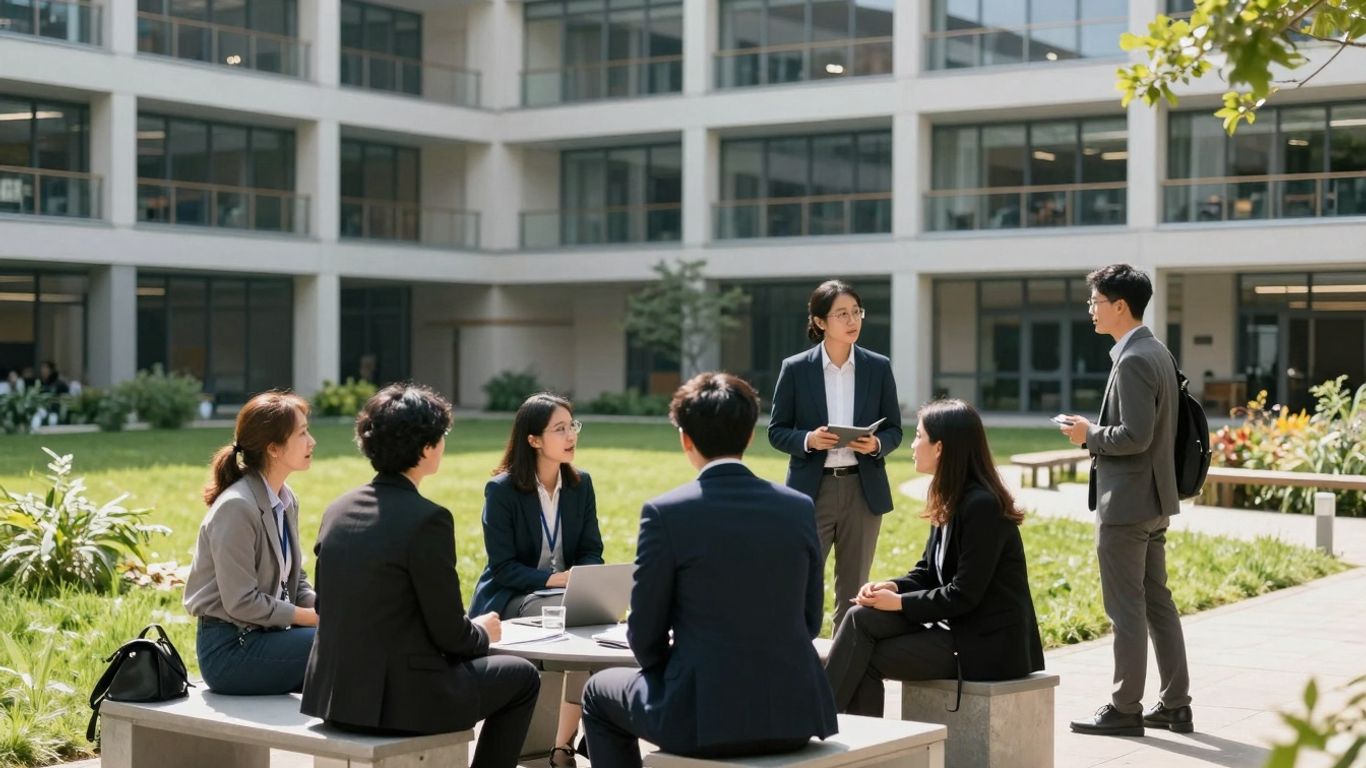
Thinking about a career change or wanting to make a bigger impact? Cambridge University has some solid programs focused on sustainability management. These aren't just your typical business courses; they're designed to help you understand the big picture of environmental and social issues and how they connect to business. Whether you're looking to get an MBA or a Master's degree, or even just take some online courses, Cambridge offers ways to learn from experts and apply that knowledge. It's a chance to gain skills that are really needed right now and could open up new career paths.
Key Takeaways
- Cambridge University offers specialized programs in sustainability management, including an MBA pathway and a Master of Studies in Sustainability Leadership.
- These programs integrate sustainability into core business strategy, aiming to develop leaders who can address global economic, social, and environmental challenges.
- Students can choose specific concentrations like Sustainable Business or Energy and Environment, along with electives, to tailor their learning.
- Practical application is a key component, with opportunities for global consulting projects and real-world case studies.
- Online courses are also available for flexible professional development, providing actionable knowledge for current sustainability issues.
Advance Your Career With Cambridge University Sustainability Management

Understanding the Importance of Sustainability in Business
It's pretty clear now that businesses can't just focus on profits anymore. The world is changing, and companies need to think about their impact on the planet and people. This isn't just about being a good corporate citizen; it's becoming a smart business move. Customers are paying more attention, investors are looking at environmental, social, and governance (ESG) factors, and regulations are tightening up. Ignoring sustainability is starting to look like a risky business decision.
- Environmental Impact: Reducing waste, conserving resources, and lowering carbon footprints.
- Social Responsibility: Fair labor practices, community engagement, and ethical sourcing.
- Economic Viability: Long-term profitability through efficient operations and innovation.
Businesses that integrate sustainability into their core operations are often more resilient and better positioned for future challenges.
The Role of Cambridge University in Sustainability Leadership
Cambridge University, through its various institutes and business school, is really stepping up in the sustainability space. They're not just talking about it; they're actively educating future leaders and conducting research that matters. It's a place where academic rigor meets practical application, preparing individuals to tackle complex global issues.
Cambridge brings together a wide range of academics and connects with businesses globally, creating a unique environment for learning and innovation in sustainability. They aim to develop leaders who can make a real difference.
Leveraging Cambridge's Expertise for Career Growth
So, how does this translate into career advancement for you? By engaging with Cambridge's sustainability programs, you gain specialized knowledge and practical skills that are in high demand. You'll learn to identify sustainability challenges and opportunities within any organization and develop strategies to address them.
- Gain specialized knowledge in areas like sustainable finance and business ethics.
- Develop practical skills through real-world projects and case studies.
- Network with a diverse group of professionals and academics.
- Build a strong credential that signals your commitment to sustainable practices.
Cambridge MBA Sustainability Pathway
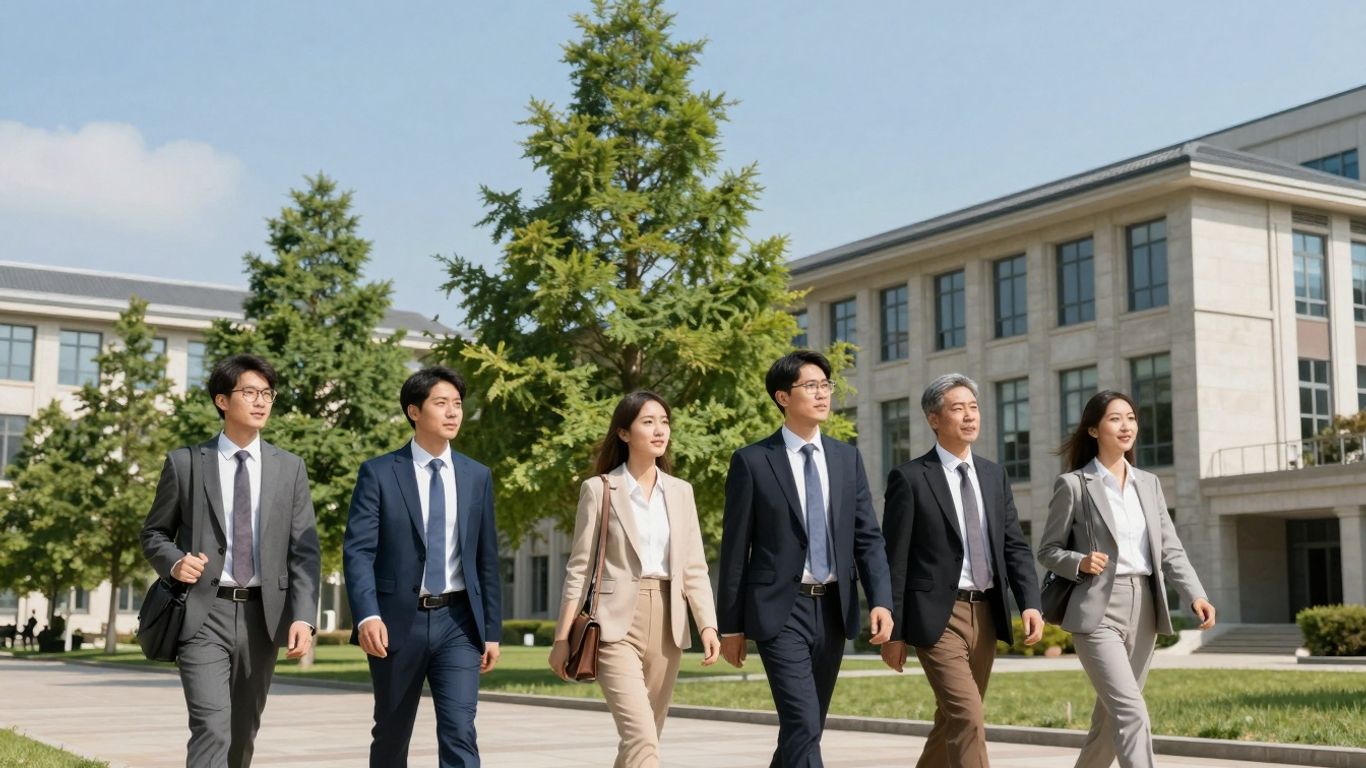
The Cambridge MBA program offers a dedicated pathway for those looking to integrate sustainability into the core of their business strategy. This isn't just about adding a green veneer; it's about fundamentally reshaping how businesses operate for a more sustainable future. We aim to cultivate global leaders who can drive positive change across various sectors.
Integrating Sustainability into Business Strategy
This part of the MBA focuses on making sustainability a practical, actionable part of your business. You'll learn how to embed environmental and social considerations into decision-making, from supply chains to product development. It's about seeing sustainability not as a cost center, but as a source of innovation and competitive advantage. We look at how companies are setting real targets and aligning their actions with global goals like the UN Sustainable Development Goals.
Developing Global Leaders for a Sustainable Future
Our goal is to equip you with the skills to lead in a world where sustainability is no longer optional. You'll gain insights into managing complex global challenges, understanding both the risks and opportunities presented by climate change and resource scarcity. The program encourages a mindset shift, preparing you to guide organizations through the transition to more responsible practices.
Curriculum Design for Sustainability Expertise
The curriculum is structured to build your knowledge progressively. You'll have the chance to select specialized concentrations and electives that allow you to go deeper into areas like sustainable business practices, energy and environment, or sustainable finance. This flexible approach lets you tailor your learning to your specific career aspirations. We also incorporate practical elements like the MBA Global Consulting Project, where you can apply your learning to real-world sustainability problems with leading organizations.
Master of Studies in Sustainability Leadership
Part-Time Master's for Working Professionals
The Master of Studies (MSt) in Sustainability Leadership is a full Master's degree designed for people who are already working. It's a part-time program, meaning you can keep your job while you study. The whole point is to help you become a better leader when it comes to tackling big global issues like climate change and social inequality. It's part of Cambridge University's wider effort to get people and companies to step up and make a difference.
Interdisciplinary Approach to Global Challenges
This program isn't just about one subject. It pulls in ideas from different fields like engineering, geography, land economy, zoology, and the business school. This way, you get a well-rounded view of complex problems. You'll learn to see how environmental, social, and economic issues are all connected. It's about understanding the whole picture, not just bits and pieces.
Developing Effective Sustainability Leaders
The MSt program aims to equip you with the skills and knowledge to lead change. You'll develop a broad awareness of the challenges the world faces and gain the vision to guide businesses toward positive change. The curriculum focuses on practical application, helping you critically assess different ways to make a difference and build the confidence to act.
Here's a look at what the program helps you achieve:
- A wide awareness of social, environmental, ethical, and economic issues.
- The vision to lead businesses towards real system changes.
- The ability to evaluate different strategies for change.
- The leadership capacity to implement transformations.
The program is structured around six key learning outcomes. These cover understanding the changing global context, envisioning a sustainable future, identifying pathways for change, developing personal and collective leadership, applying sustainability knowledge to specific situations, and communicating effectively to advance the sustainability agenda. It's a pretty thorough approach to becoming a sustainability leader.
Specialist Concentrations and Electives
Beyond the core curriculum, Cambridge University's sustainability management programs really let you zero in on what interests you most. Think of it like picking your favorite toppings for a pizza – you can customize your learning journey.
Sustainable Business Concentration Deep Dive
This concentration is all about getting a solid grip on how businesses can operate more sustainably. You'll look at strategies and tools that help you see the bigger picture of a company's impact, from its own operations right down to its supply chain. It's about figuring out how to make meaningful changes and set realistic goals, often aligning with global frameworks like the UN's Sustainable Development Goals. You'll get hands-on with things like systems thinking and the circular economy, using real-world cases to practice.
Energy and Environment Concentration Insights
This track goes beyond just energy supply. It examines how our physical surroundings, like buildings, and even the climate itself, affect industries like agriculture. You'll explore how global shifts, politics, and what consumers want can create both challenges and chances for businesses. The cool part is that energy and environment issues touch pretty much every part of business – marketing, strategy, finance, you name it. It's a great way to see how sustainability plays out across different business functions.
Exploring Sustainability Pathway Electives
If the main concentrations aren't quite hitting the mark, or you just want to add a bit more flavor, the Sustainability Pathway Electives are your go-to. These are shorter courses that let you dig deeper into specific topics. You might find yourself exploring sustainable finance, looking at trends in ESG (Environmental, Social, and Governance) investing, or even examining business ethics and social justice. It’s a flexible way to round out your knowledge and tailor your studies to your career aspirations.
Practical Application and Career Impact
MBA Global Consulting Projects in Sustainability
This is where all that learning really comes together. The MBA Global Consulting Project lets you tackle actual sustainability problems with real companies. You get to use what you've learned in class and try to find new solutions. It’s a chance to work with big organizations and actually make a difference. You might find yourself working on anything from figuring out how a company can reduce its carbon footprint to developing strategies for a more circular economy. These projects are designed to give you hands-on experience that employers are looking for.
Real-World Impact Through Sustainability Careers
Many graduates from these programs go on to build careers focused on sustainability. They end up working everywhere, from large corporations trying to become more responsible to small startups focused on green tech. It’s about finding a role where you can contribute to solving some of the world’s biggest challenges. You could be involved in developing new business models, managing supply chains more ethically, or leading corporate social responsibility initiatives. It’s a field that’s growing, and there’s a real need for people with these skills.
Career Outcomes in Renewable Energy and Beyond
Graduates have found success in a wide range of areas. Some focus on the renewable energy sector, working on projects in places like Africa or Europe, helping to transition economies away from fossil fuels. Others move into sustainability consulting, advising businesses on how to improve their environmental and social performance. You might also find yourself in roles focused on sustainable finance, looking at ESG (Environmental, Social, and Governance) factors in investment decisions, or working in areas like the circular economy, helping businesses redesign their operations for less waste and more reuse. The skills you gain are transferable and open doors to many different paths.
Online Learning for Sustainability Professionals
Sometimes, fitting in extra education feels impossible with a busy work schedule. That's where Cambridge University's online programs really shine. They've put together courses that let you learn at your own pace, fitting study around your life, not the other way around. It's a smart way to pick up new skills without having to take a break from your career.
Expertly Curated Online Sustainability Courses
These aren't just random online classes. They're put together by people who really know their stuff at the University of Cambridge Institute for Sustainability Leadership. The courses focus on giving you practical skills you can actually use in your job. Think about learning how to make your business more resilient to climate change or understanding the ins and outs of sustainable finance. They cover a lot of ground, from how businesses can tackle social justice issues to understanding the complex world of energy and the environment.
- Business and Climate Change: Learn to build business models that work in a low-carbon economy.
- Sustainable Finance: Get a handle on current trends and how to use sustainable finance for positive change.
- Business and Social Justice: Explore how businesses can help address societal inequalities.
Flexible Learning for Professional Development
One of the best parts is the flexibility. Most courses are designed to take about eight weeks, with a commitment of 6-10 hours per week. This structure helps you stay on track without feeling overwhelmed. You get to earn a certificate from a top university, all from your own home. It's a great way to add some serious weight to your resume and show you're serious about sustainability.
The online format means you can plan your learning around your existing commitments, whether that's work, family, or other personal projects. It's about making advanced education accessible.
Action-Led Content for Real-World Problems
What's really good about these courses is that they're not just theoretical. The content is designed to help you tackle actual problems you might face in your job. You'll learn about the latest knowledge from experts and how to apply it. This means you can start making a difference in your organization right away. It's about getting the tools and confidence to drive change, whether that's in renewable energy, supply chains, or corporate social responsibility.
Sustainable Finance and Business Ethics
It's not enough for businesses to just talk about being green anymore. We're seeing a big shift towards actually putting money into companies that are doing good for the planet and people, and also making sure they're run ethically. This section looks at how Cambridge University programs help you get a handle on these important areas.
Understanding Sustainable Finance Trends
Sustainable finance is all about directing capital towards projects and companies that have a positive impact. This isn't just a niche market anymore; it's becoming a major part of how the financial world operates. You'll learn about different financial products designed for sustainability, like green bonds and social impact bonds. We also look at how climate change risks are being factored into investment decisions. It's a complex but vital field for anyone wanting to make a difference through finance. You can explore these topics further through programs like the Business & Sustainability Programme.
ESG Integration in Business Practices
ESG stands for Environmental, Social, and Governance. It's a framework used to evaluate a company's performance beyond just its profits. Think of it as a way to measure how responsible a company is. We examine how different ESG scoring systems work and how they're applied in real-world situations. Understanding ESG helps you see which companies are truly committed to sustainability and ethical operations, and which are just paying lip service. It's about looking at the whole picture.
Business and Social Justice Initiatives
Beyond environmental concerns, businesses have a significant role to play in social justice. This part of the curriculum explores the deep-rooted causes of social inequality and how companies can actively work towards positive change. It's about recognizing that a business's impact extends to its employees, its supply chain, and the communities it operates within. We discuss how ethical business practices can contribute to a more equitable world, moving beyond just profit motives to consider broader societal well-being. This involves looking at fair labor practices, diversity and inclusion, and community engagement.
Making sure businesses are good for the planet and people is super important. It's not just about following rules, but about doing the right thing. We help companies understand how to be more responsible and ethical in their work. Want to learn how your business can make a positive impact? Visit our website to discover more!
Wrapping Up Your Sustainability Journey
So, if you're looking to make a real difference and build a career that matters, Cambridge University's sustainability programs seem like a solid choice. Whether you're aiming for the full MBA with a sustainability focus or perhaps the part-time Master of Studies, these programs give you the tools and connections to tackle big global issues. It's not just about learning; it's about becoming part of a community that's actively working towards a better future. Think about it – gaining practical skills, learning from experts, and joining a network of like-minded people. It really could be the next step you need to move your career forward in a way that feels meaningful.
Frequently Asked Questions
What makes Cambridge's sustainability programs special?
Cambridge offers programs that blend deep learning with real-world practice. They have many smart people across the university working on sustainability and strong ties to businesses worldwide. This means you get top-notch education and connections to help your career.
Who are the Cambridge MBA Sustainability programs for?
These programs are for people who want to be leaders in making businesses more sustainable. Whether you're just starting or already have experience, these courses help you learn how to make smart business choices that are also good for the planet and people.
Can I study sustainability at Cambridge if I'm already working?
Yes! The Master of Studies in Sustainability Leadership is a part-time program designed for working professionals. It lets you earn a full Master's degree without quitting your job, offering a flexible way to boost your career.
What kind of topics are covered in these programs?
You'll learn about many things, like how to make sustainability a core part of business plans, how to lead change for a better future, and specific areas like sustainable finance, energy, and how businesses can help with social justice.
How do these programs help me get a job or advance my career?
The programs include hands-on projects, like working with companies on real sustainability problems. Graduates have gone on to work in exciting fields like renewable energy, helping businesses become more eco-friendly and socially responsible.
Are there online options for learning about sustainability at Cambridge?
Absolutely. Cambridge offers online courses that are created by experts. They are designed to fit into your busy schedule, helping you gain important skills to make a difference in sustainability, no matter where you are.