
Advance Your Career with Masters in Sustainability Online Programs

Thinking about a career change or just want to make a bigger difference? A lot of people are looking into sustainability these days. It's not just a trend; it's becoming a really important field. If you're considering going back to school to get ahead, a masters in sustainability online could be a great option. It lets you learn new skills and get qualified without having to put your life on hold. Let's check out what these programs are all about and how they can help you.
Key Takeaways
- A masters in sustainability online can open doors to new career paths focused on environmental action and positive change.
- These programs teach you about science, policy, and business practices related to sustainability, giving you a broad skill set.
- You can often tailor your studies with different specializations, like business sustainability or environmental problem-solving, to fit your interests.
- Online programs offer flexibility, allowing you to study at your own pace while potentially working or managing other responsibilities.
- Graduates find roles in various sectors, from corporations and government to non-profits, helping organizations become more sustainable.
Understanding the Value of a Masters in Sustainability Online

Is a Career in Sustainability a Smart Choice?
Thinking about a career in sustainability? It's a field that's really growing, and for good reason. As we all become more aware of environmental issues and climate change, more and more organizations, from big companies to government agencies and non-profits, are looking for people who know how to make things more sustainable. It's not just about feeling good; it's about having practical skills that are in demand. Getting a master's degree in this area can really set you apart in the job market. You'll gain the knowledge to help keep our planet healthy while also building a solid career path. It's a smart move if you want to make a difference.
Is a Degree in Sustainability Useful?
Absolutely. A graduate degree in sustainability gives you the tools to pursue your passion for environmental action and actually create positive change. The great thing about sustainability careers is that they aren't always a straight line. You can often shape your own path, and as your career evolves, this degree equips you to adapt. Maybe you want to bring sustainability practices to an industry you already know well, like fashion or finance. Or perhaps you have specific skills, like urban planning or reducing waste, that you want to apply across different sectors. A master's degree provides that flexibility and the know-how to pivot when needed. It's about building a versatile skill set for a changing world. You can even find software to help manage your sustainability efforts, like ESG management software.
What Can You Do With a Master’s Degree in Sustainability?
With a master's in sustainability, you'll be ready for a variety of roles focused on making a positive environmental impact. You could work with a company to lower its carbon footprint, help design products that are better for the environment, or figure out how to make supply chains more sustainable. It's also about understanding community needs and ensuring ethical business practices. Many graduates also find themselves working in government, helping local and state bodies adapt to climate change. The possibilities are quite broad, touching on everything from corporate responsibility to public policy and community development. The skills you gain are applicable in many different settings.
- Reducing corporate carbon footprints
- Designing eco-friendly products
- Developing sustainable supply chains
- Working in public policy and climate adaptation
- Promoting ethical business governance
A master's degree in sustainability is more than just a piece of paper; it's a pathway to becoming a problem-solver in a world that desperately needs them. It equips you with the analytical skills and practical knowledge to tackle complex environmental and social challenges head-on, preparing you for impactful roles across diverse sectors.
Exploring Online Masters in Sustainability Program Structures
So, you're thinking about getting a master's degree in sustainability online. That's awesome! But what does that actually look like? It's not just about sitting in front of a screen for hours. These programs are designed to give you real skills and knowledge, whether you're looking to crunch numbers for emissions reporting or figure out how to make a company's supply chain greener. The structure of these programs is key to making sure you get the most out of your time and money.
Program Overview and Core Competencies
Most online sustainability master's programs aim to give you a solid foundation. You'll learn the science behind environmental issues, understand the policies that shape our world, and get a handle on the financial models that drive sustainable business. Think of it as building your toolkit. You'll develop analytical skills, learn how to research problems, and importantly, how to communicate your ideas effectively. Many programs focus on practical application, so you're not just learning theory; you're learning how to do things.
Here's a general idea of what you might focus on:
- Understanding climate change impacts and solutions.
- Learning about resource management and conservation.
- Developing strategies for corporate social responsibility.
- Grasping the principles of environmental policy and law.
Tailoring Your Sustainability Degree Pathways
One of the best things about online programs is flexibility. You can often tailor your degree to fit your career goals. Some programs let you choose a specific pathway, like focusing on business and supply chain sustainability, or perhaps environmental policy. Others might offer a range of electives so you can pick courses that really interest you or are relevant to your current job. It's all about making the degree work for you.
For example, you might see options like:
- Business & Supply Chain Sustainability: Focus on how companies can operate more responsibly.
- Environmental Policy & Management: Dive into the rules and regulations that govern environmental protection.
- Climate Science & Solutions: Concentrate on the scientific aspects and technological fixes for climate change.
The goal is to equip you with the specific knowledge and skills needed to tackle complex environmental challenges in whatever field you choose to work in. It’s about becoming a problem-solver for a more sustainable future.
Coursework and Learning Methodologies
Online learning has come a long way. You'll likely encounter a mix of learning methods. Expect video lectures, readings, online discussions, group projects, and assignments. Some programs might even incorporate virtual labs or simulations. The key is that these programs are designed for busy professionals, so they often allow you to study at your own pace, fitting coursework around your work and life commitments. You might be able to complete your degree in as little as a year, or take up to five years if you prefer a slower pace. Some programs even have performance-based admissions, where you earn your way into the full degree program by successfully completing initial courses, which is a pretty neat way to get started and see if it's the right fit for you. This approach can be really helpful if you're looking to automate emissions calculations or other reporting tasks down the line.
Here's a look at typical program structures:
Key Curriculum and Specializations in Online Sustainability Programs
When you're looking at online Master's programs in sustainability, the coursework is where you really get into the nitty-gritty. It's not just about general ideas; these programs are designed to give you practical skills and a solid grasp of how sustainability works in the real world. You'll find that most programs cover a few core areas, but then they let you specialize based on what you want to do after graduation.
Foundations of Sustainability Science and Society
At the heart of any good sustainability program is understanding the basic science and how it connects to people and communities. You'll likely take courses that cover environmental science, ecology, and climate change, but also look at the social side of things. This includes things like environmental justice, policy, and how different cultures approach sustainability. It's about getting a big-picture view of the challenges we face and why they matter to everyone.
- Understanding Earth's Systems: Learning about climate, ecosystems, and natural resources.
- Social Equity and Justice: Examining how environmental issues affect different communities.
- Policy and Governance: How laws and regulations shape sustainability efforts.
- Ethics in Sustainability: Considering the moral dimensions of environmental decisions.
Methods for Environmental Inquiry and Problem Solving
Knowing the problems is one thing, but figuring out how to fix them is another. This part of the curriculum focuses on the tools and techniques you'll use to analyze environmental issues and develop solutions. Think data analysis, research methods, and project management. You'll learn how to collect information, interpret it, and then use it to create practical plans. This is where you build the skills to actually make a difference.
Many programs emphasize hands-on projects or case studies. This lets you apply what you're learning to real-world scenarios, which is super helpful for building confidence and figuring out what works.
Some common methods you'll explore include:
- Data Analysis and Statistics: Making sense of environmental data.
- Life Cycle Assessment (LCA): Evaluating the environmental impact of products or services from start to finish. This is a key skill for understanding supply chain impacts.
- Carbon Accounting: Measuring and reporting greenhouse gas emissions, which is becoming increasingly important for businesses trying to comply with regulations like SB 253 compliance.
- Project Management: Planning and executing sustainability initiatives.
Specialized Courses in Business and Supply Chain Sustainability
Once you have the foundational knowledge and problem-solving skills, you can often choose to specialize. Many online programs offer tracks or electives focused on specific areas. Business and supply chain sustainability are really popular because so many organizations are looking for people who can help them operate more responsibly. You might take courses on:
- Sustainable Business Models: How companies can be profitable while being good for the planet.
- Corporate Social Responsibility (CSR): Strategies for businesses to act ethically and contribute to society.
- Green Supply Chains: Making sure products are made and transported in an environmentally friendly way.
- Sustainable Finance: Investing in companies and projects that have a positive environmental and social impact.
Career Advancement with a Masters in Sustainability Online
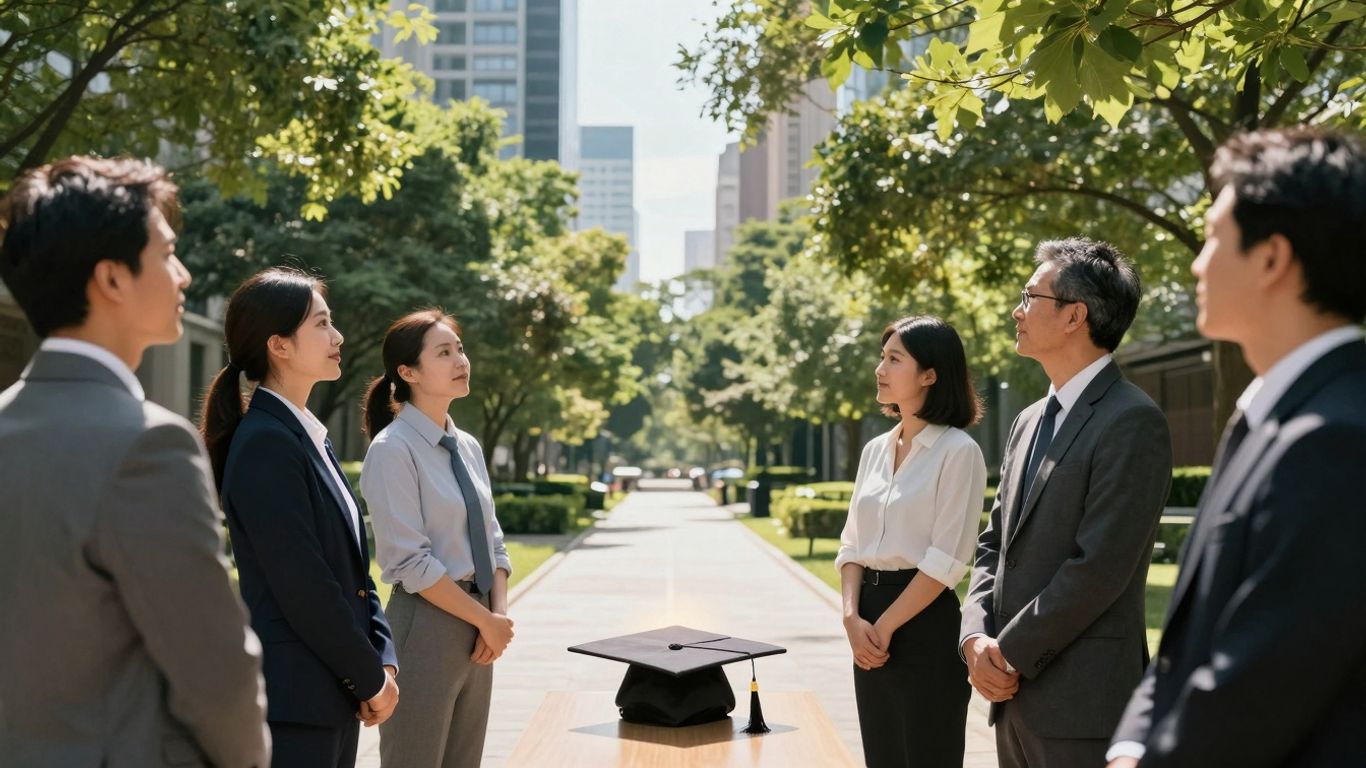
So, you're thinking about a master's in sustainability online? That's a big step, and a smart one if you're looking to make a real difference and move up in your career. The world is waking up to environmental issues, and that means jobs in sustainability are popping up everywhere. Companies, governments, and non-profits all need people who know how to make things greener and more responsible. A master's degree in this field can seriously give you an edge.
Career Opportunities and Alumni Outcomes
Graduates from these programs aren't just getting jobs; they're shaping industries. You'll find alumni working in all sorts of places, from transportation and hospitality to renewable energy and public policy. Some even go on to further studies at top universities. The titles alumni hold show the breadth of impact: think Senior Manager of Corporate Sustainability at a Fortune 100 company, an Advocate for Clean Energy Transmission in a government agency, or even a CEO of a sustainable investments start-up. It's not just about finding a job; it's about building a career with purpose. Many alumni work for well-known organizations like Aetna, Bank of America, FedEx, and The Nature Conservancy, showing the real-world applicability of their degrees.
Developing Essential Skills for Green Careers
What exactly do you learn that makes you so marketable? Well, beyond the science and policy, you'll develop practical skills. You'll learn how to come up with new, workable solutions for climate change and environmental problems. You'll get a solid grasp of the science, the rules, the technologies, and even the financial side of sustainability. Plus, you'll build up your research abilities and, importantly, your leadership and communication skills. These are the kinds of abilities that help you get your ideas heard, whether you're in a boardroom or talking to community groups. It's about being able to analyze problems and then effectively communicate your proposed solutions.
Impactful Roles in Corporate and Governmental Sectors
When you get your master's, you're ready for roles that have a genuine impact. In the corporate world, you could be the one helping a company reduce its carbon footprint, design eco-friendly products, or create a more sustainable supply chain. Think about working on international career opportunities in sustainability and helping businesses operate more responsibly on a global scale. In government, you might work on policy development, help communities adapt to climate change, or manage land resources. These roles are vital for driving change and ensuring a healthier planet for everyone. You're not just getting a degree; you're preparing to be a leader in the green movement.
Navigating Admissions for Online Masters in Sustainability
So, you're thinking about getting a Master's in Sustainability online. That's awesome! But before you get too far, let's talk about how you actually get into one of these programs. It's not always a straightforward "fill out this form and you're in" situation, and that's actually a good thing. It means programs want to make sure you're a good fit and that you're ready to succeed.
Performance-Based Admissions Pathways
Some programs have a cool way of letting you "earn your way in." Basically, you start by taking a couple of specific graduate-level courses. If you do well in these, it shows the program you've got what it takes, and those credits often count towards your actual degree. It's a smart way to test the waters and get a head start. Think of it like this:
- Proseminar: Introduction to Graduate Studies in Sustainability and Global Development: This course usually covers the basics of graduate study and introduces you to the field.
- Analytical Methods in Sustainability: Here, you'll likely learn the tools and techniques needed to analyze sustainability problems.
This performance-based approach can be a great way to get accepted without a traditional GRE score or extensive prior experience. It really focuses on your ability to handle the coursework.
Alternative Admission Routes
Beyond the "earn your way in" model, there are often other paths. One common route is through specific certificate programs or even other online credentials. For example, some universities might recognize completion of a particular MicroMasters® program as a strong indicator of readiness for their master's degree. It's worth looking into these if you've already completed relevant coursework elsewhere. You'll want to check the specific program details, but these alternative routes can sometimes streamline the application process or provide a solid foundation.
Understanding Program Duration and Start Terms
When you're looking at online programs, pay attention to how long they typically take and when you can start. Most programs offer flexibility, allowing you to study full-time or part-time. A typical master's degree might take anywhere from 12 months to 2 years, depending on your pace. Some programs even allow you to accelerate your studies by taking courses year-round, including during summer or January terms. It's important to know the maximum time you have to complete the degree – usually around five years. As for start dates, many programs have a main intake in the fall, but some might offer spring or even summer starts. Always check the application deadlines; for instance, some programs might have a deadline around February 1st for the following fall intake, but late applications might be considered on a rolling basis. You can usually find all this information on the program's admissions page, like the one detailing how to apply to the Master of Environment and Sustainability program.
Getting into a master's program is a process. Understanding the different admission types, like performance-based entry or alternative routes, can make it much less daunting. Plus, knowing the timelines and start dates helps you plan your educational journey effectively.
The Benefits of Pursuing a Masters in Sustainability Online
So, you're thinking about getting a Master's in Sustainability, and specifically, an online one? That's a pretty smart move these days. The world is really starting to pay attention to environmental issues, and companies, governments, and non-profits all need people who actually know what they're doing in this area. It's not just about feeling good; it's about having actual skills that are in demand.
Gaining Expertise for Environmental Action
When you sign up for an online Master's program in sustainability, you're not just getting a piece of paper. You're diving into the nitty-gritty of how to actually make a difference. You'll learn about climate science, sure, but also about the policies, the technologies, and even the financial side of things that make sustainability work in the real world. Think about it: you could be the person helping a company figure out how to reduce its carbon footprint or design products that don't end up in a landfill. It's about getting the practical know-how to tackle big problems. This degree equips you to be a problem-solver in a field that desperately needs them.
Building Leadership and Communication Competencies
It's not enough to just know the science; you've got to be able to get others on board. A good sustainability program will push you to develop your leadership and communication skills. You'll learn how to present complex ideas clearly, whether you're talking to executives, community members, or government officials. This means you can effectively advocate for change and guide projects to success. You'll also build confidence in your research abilities, which is key for any role where you need to analyze situations and propose solutions. It's about becoming someone who can not only identify issues but also lead the charge in fixing them.
Earning a Degree from a Renowned Institution
One of the cool things about online programs is that you can often get a top-tier education without having to uproot your life. Many well-respected universities now offer these programs, meaning you can earn a degree from a place known for its academic rigor. This adds a lot of weight to your resume. You'll be learning from faculty who are often leaders in their fields, and you'll be joining a network of alumni who are already making waves. It's a chance to get that prestigious credential and connect with a community of like-minded professionals. Plus, you'll be learning about things like ESG reporting, which is becoming a huge part of how businesses operate.
Thinking about getting a Master's degree in Sustainability online? It's a smart move for a greener future! You can learn all about helping our planet right from your home. Ready to make a difference and boost your career? Visit our website today to discover how you can start your journey towards a more sustainable world.
Wrapping Up
So, if you're looking to make a real difference and boost your career at the same time, an online Master's in Sustainability might just be the ticket. It's not just about getting another degree; it's about gaining the skills to help businesses and communities do better for the planet. Plus, with online programs, you can fit it around your life. Think about it – you could be helping companies cut down on waste, designing greener products, or even working with governments on climate issues. The job market is definitely looking for people with these skills, and a Master's can give you that edge. It’s a smart move for your future and for the world.
Frequently Asked Questions
How long does it take to finish an online sustainability master's program?
It usually takes about 2 to 5 years to complete the program. This depends on how fast you want to go and how many classes you sign up for each semester. You can study all year round to finish quicker, but you can't take more than 5 years to get your degree.
What kind of jobs can I get with a master's degree in sustainability?
With this degree, you'll have the skills to help businesses or communities become more eco-friendly. You could work on reducing a company's pollution, creating greener products, understanding what communities need to be sustainable, or making supply chains better for the planet. You might even help governments deal with climate change.
Is getting a degree in sustainability actually useful?
Yes, a sustainability degree is very useful! It lets you work on things you care about while making a positive difference. The world needs people who understand how to be sustainable. This degree gives you the tools to solve problems and adapt as your career grows.
Is a career in sustainability a good idea?
Absolutely! With the world facing big environmental challenges, companies, governments, and non-profits all need people with green skills. Having a master's in sustainability can make you stand out in the job market and help you play a key role in protecting our planet.
What will I learn in an online sustainability master's program?
You'll learn how to come up with smart and fair solutions for problems caused by climate change. You'll also study the science, rules, technologies, and money ideas behind sustainability. Plus, you'll get better at researching, leading, and talking about important issues.
How do I get into an online master's program in sustainability?
Many programs let you earn your way in by taking a couple of introductory courses first and doing well in them. These credits can count towards your degree. Another way is through special online programs that can lead to admission.