
A Practical Sustainability Management Plan for Childcare: An Example
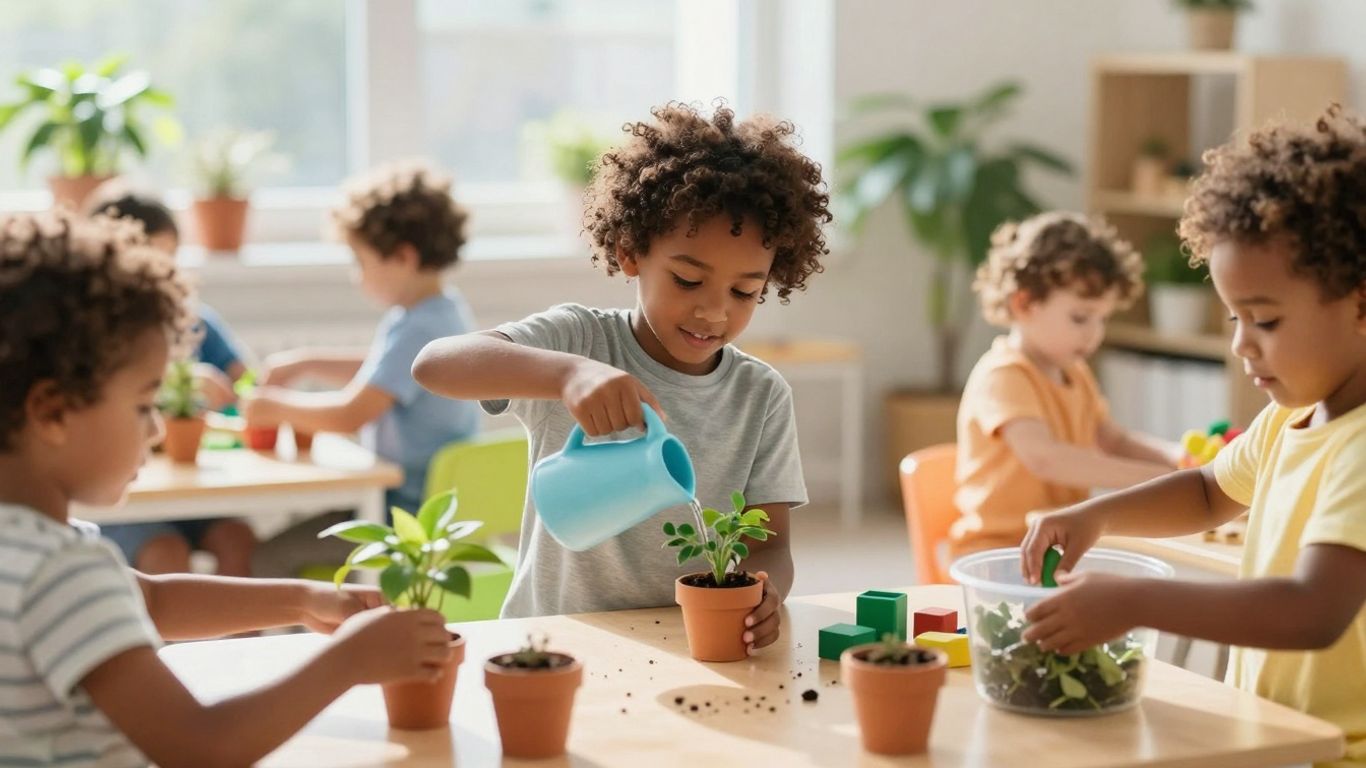
Getting a sustainability management plan childcare example down on paper can feel like a big task. You want to do right by the planet and teach the kids too, but where do you even start? It’s not about being perfect overnight. It’s more about making smart, small changes that add up. Think about it like this: you wouldn't try to build a whole playground in a day, right? You start with a plan, get the right materials, and build it piece by piece. That’s pretty much what this is about – a practical way to make your childcare center greener, step by step. We’ll look at how to set some goals, change up daily stuff, manage resources, and get everyone involved. It’s all about making sustainability a normal part of how you operate.
Key Takeaways
- Start by setting clear, doable goals for your sustainability efforts, like cutting down on waste or using less energy. This makes it easier to track progress.
- Form a team, maybe call them the 'Green Team,' and give people jobs. This way, everyone knows what they're supposed to do.
- Look at what you're already doing – your lessons, what you buy, how you clean. Find ways to make these greener.
- Pay attention to how much energy and water you use, and try to cut back. Also, check that the materials you use and the air inside are safe for kids.
- Talk to families and the community about what you're doing and why it's important. Getting them involved makes a big difference.
Establishing a Sustainability Framework for Childcare
Getting started with sustainability in your childcare center might feel like a big task, but breaking it down makes it totally doable. Think of it like building a solid foundation for a house – you need a good plan before you start putting up walls. This framework is all about setting up clear goals, getting your team on board, and knowing where you're starting from.
Setting Specific, Achievable Goals
Instead of just saying "we want to be more green," let's get specific. What does that actually look like for your center? Maybe it's cutting down on paper towel use by 20% in the next six months, or starting a small compost bin in the toddler room. Having clear, measurable goals helps everyone know what they're working towards and makes it easier to see when you've made progress. It's like having a roadmap instead of just wandering around.
Here are some ideas for goals:
- Reduce energy bills by 10% within a year.
- Introduce a composting program for food scraps by the end of the quarter.
- Source at least 50% of classroom supplies from recycled or sustainable materials.
- Implement a "lights off" policy during nap times.
Forming a Green Team and Assigning Roles
Sustainability isn't a one-person job. You need a team! This "Green Team" can be made up of teachers, administrators, and even parents who are passionate about this. Give them clear roles. Someone might be in charge of tracking energy use, another could lead the recycling efforts, and someone else might focus on educating the kids. Having designated people makes sure things actually get done.
A dedicated team ensures that sustainability efforts are not just ideas, but actions that are consistently implemented and monitored.
Establishing Baseline Data and Scope
Before you can improve, you need to know where you stand. This means gathering some basic information. How much electricity and water did you use last year? How much trash are you throwing away? What kind of cleaning supplies are you currently using? Collecting this data gives you a starting point, or a baseline, to measure your progress against. It also helps you figure out where you can make the biggest impact.
Here’s a quick look at what to gather:
- Utility Bills: Collect at least 12 months of electricity, gas, and water bills.
- Waste Records: Estimate or weigh your current waste output (landfill, recycling, compost if applicable).
- Procurement Lists: Review your current list of cleaning supplies, paper products, and other consumables.
- Current Practices: Note down any existing eco-friendly activities or routines already in place.
Integrating Sustainable Practices into Daily Operations
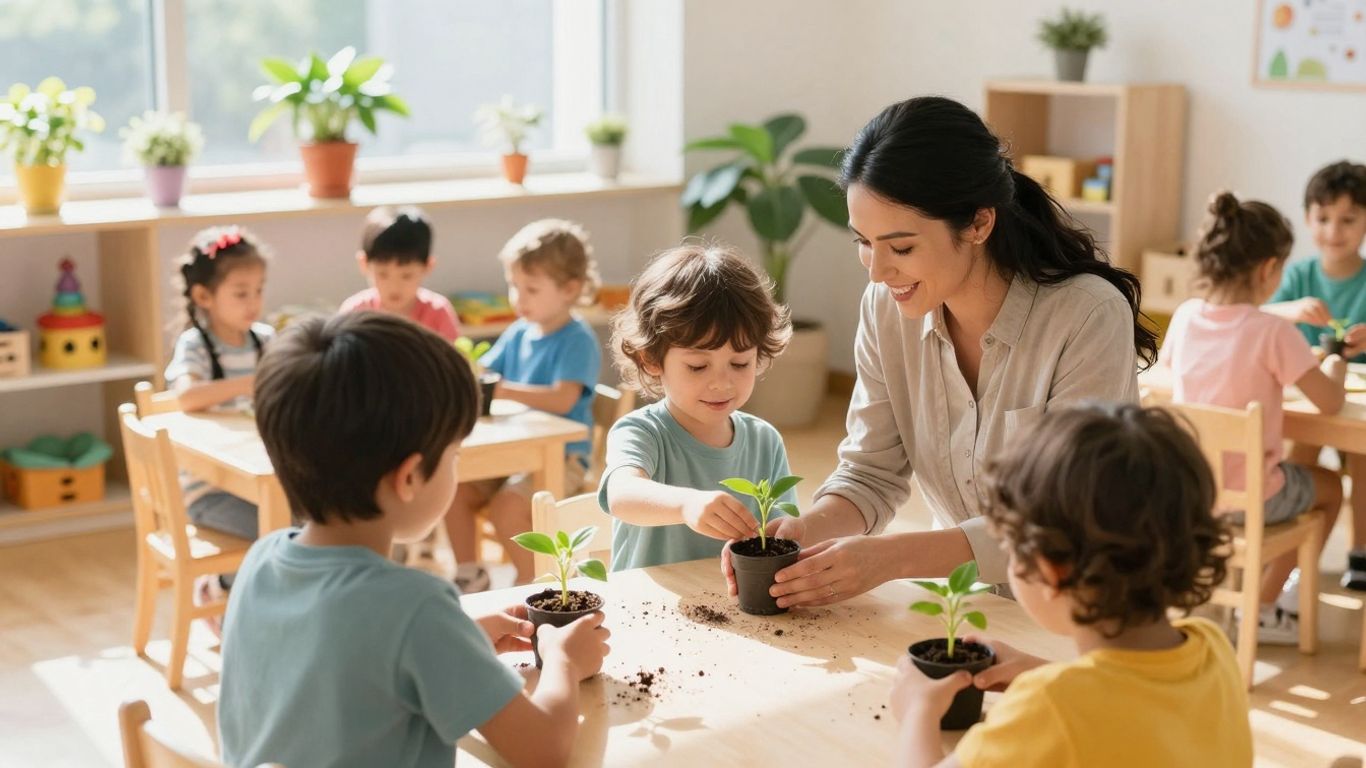
Making sustainability a part of everyday life at the childcare center isn't about adding extra tasks; it's about rethinking how things are already done. This means looking closely at what happens in the classroom, who we buy from, and what we use to keep things clean. The goal is to weave eco-friendly habits into the fabric of the center so they become second nature.
Curriculum and Routines Audit
Think about the activities children do and the daily schedule. Are there opportunities to naturally include sustainability? For example, snack time can be a chance to talk about where food comes from or to use reusable containers instead of single-use plastic bags. During art projects, instead of always buying new supplies, we can look at what's been used or what might be thrown away but could be repurposed. Even simple things like turning off lights when leaving a room or making sure water taps are fully shut off can become part of the routine. It’s about making these actions a normal part of the day, not a special lesson.
- Nature Play: Incorporate outdoor time that focuses on observing the natural world, collecting leaves, or caring for a small garden patch.
- Waste Sorting: Set up clear bins for recycling, compost, and landfill, and teach children how to sort waste correctly during cleanup.
- Resource Awareness: Discuss why we conserve water and energy, linking it to helping the planet and living things.
Vendor and Procurement Review
Who supplies the center's needs? This is a big one. When we buy things, from toys and art supplies to cleaning products and food, we have a chance to choose options that are better for the environment and for the children's health. This might mean looking for toys made from wood instead of plastic, choosing art supplies that are non-toxic and made from recycled materials, or finding food vendors who use less packaging. It’s about asking questions and making informed choices about what comes into the center.
Making conscious purchasing decisions can significantly reduce the center's environmental footprint. It's not just about the initial cost, but also about the long-term impact of the products we bring into our children's learning spaces.
Adopt Green Cleaning Solutions
Keeping the center clean is vital, but the products we use can have a big impact. Traditional cleaning supplies often contain harsh chemicals that can affect indoor air quality and be harmful to children and staff. Switching to green cleaning means using products that are made from natural ingredients, are biodegradable, and are less toxic. This could involve using simple solutions like vinegar and water for some tasks, or choosing certified eco-friendly cleaning brands. It’s about creating a healthier space for everyone while still getting the job done.
- Material Safety: Prioritize cleaning products with clear ingredient lists and certifications for environmental safety.
- Training: Educate staff on the proper use of green cleaning products and their benefits.
- Waste Reduction: Opt for concentrated cleaners or refillable containers to minimize packaging waste.
Resource Management and Waste Reduction Strategies
Managing our resources wisely and cutting down on waste is a big part of being sustainable in a childcare setting. It's not just about being "green"; it's about being smart with what we have and teaching the kids to do the same. Think about it: every day, we use things like paper, food, cleaning supplies, and toys. How we handle these items makes a real difference.
Conducting a Waste Audit
Before we can reduce waste, we need to know what we're throwing away. A waste audit is basically a deep dive into our trash. We'll look at what kinds of waste we're generating the most – is it food scraps, paper towels, plastic packaging, or something else? Doing this helps us pinpoint the biggest problem areas so we can focus our efforts. It's a good idea to do this at least once a quarter to see if our changes are working.
Here’s a simple way to think about what to look for:
- Food Waste: Scraps from meals, snacks, and food prep.
- Paper Products: Napkins, paper towels, scrap paper, art supplies.
- Plastics: Packaging, disposable cutlery, broken toys.
- Other: Diapers, cleaning product containers, miscellaneous items.
Reducing Waste Through Practical Strategies
Once we know what we're dealing with, we can start making changes. The goal is to "reduce, reuse, and recycle," in that order. Reducing means using less in the first place. For example, instead of paper towels, we can switch to cloth napkins and hand towels that get washed and reused. For lunches, encouraging families to pack waste-free meals in reusable containers cuts down on a lot of packaging. We can also be mindful of how much we're printing or using disposable items during activities.
Making small, consistent changes in our daily routines can lead to significant reductions in waste over time. It's about building habits that benefit both the environment and our budget.
Reuse and Upcycle to Promote Sustainable Development
When we can't reduce or reuse something in its original form, we can get creative! Upcycling means turning old items into something new and useful. Empty jars can become pencil holders or containers for art supplies. Cardboard boxes can be transformed into forts, cars, or puppet theaters for imaginative play. Old fabric scraps can be used for collage art or to make small bags. This not only diverts waste from landfills but also sparks creativity in both children and educators. It teaches children to see the potential in everyday objects and encourages problem-solving skills.
We can set up a "creation station" with various clean, safe materials that might otherwise be thrown away. Think bottle caps, fabric scraps, cardboard tubes, and clean plastic containers. This station can be a source of inspiration for art projects and building activities, showing kids that "trash" can have a second life.
Optimizing Energy and Water Consumption
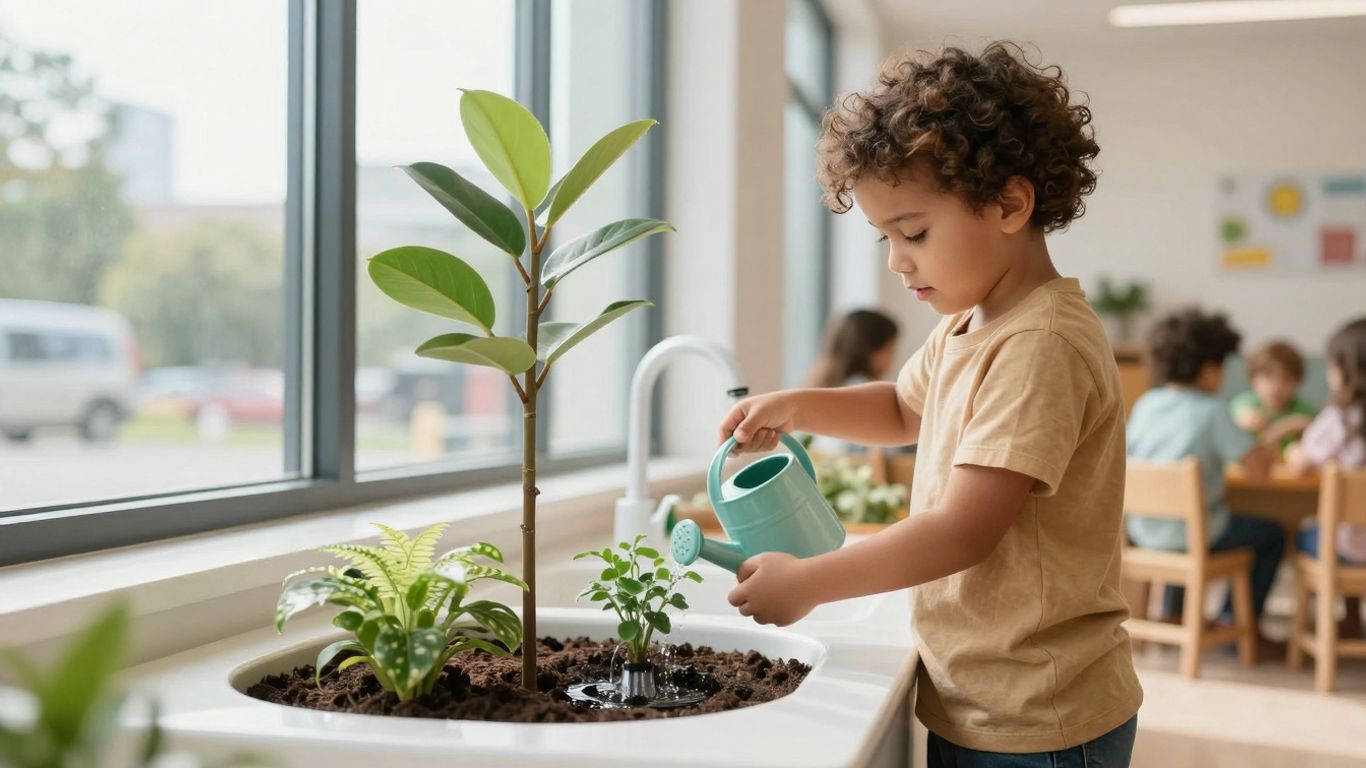
Let's talk about saving energy and water. It might seem like a small thing, but when you add it all up, it makes a big difference for the planet and for your budget. We're looking at how we use electricity, gas, and water in our childcare center and finding ways to be smarter about it. This is about making our operations more efficient and setting a good example.
Review Energy Use
First off, we need to know where our energy is going. It’s not just about flipping switches; it’s about understanding our usage patterns. We can start by keeping an eye on our meter readings. Doing this daily for a week, then switching to weekly, gives us a solid picture. Then, we can figure out the kilowatt-hours per square meter and see if some rooms are using way more than others. Think about the lights, too. If you're still using those old halogen or CFL bulbs, switching to LED is a no-brainer. They last longer and use less power. We should also check those occupancy sensors to make sure they're set up right – no point in heating or lighting an empty room for too long. And let's be honest, how often do we forget to turn things off at night? A simple checklist for staff leaving at the end of the day can fix that. We also need to confirm our heating and cooling (HVAC) settings and when they were last serviced. A well-maintained system works better and uses less energy.
- Lighting: Swap out old bulbs for LEDs.
- Equipment: Implement a 'lights-out' checklist for after hours.
- HVAC: Confirm set points and schedule regular maintenance.
Review Water Use
Water is another big one. We can do a quick check for leaks by reading the water meter before and after hours. If the meter moves when nothing is being used, we've got a silent leak! We should also time how long it takes for taps and showers to fill up. Adding aerators can really cut down on how much water comes out without you noticing a difference. Toilets are often overlooked. Making sure dual-flush systems are working and that kids know which button to press is helpful. If you have a garden, check the irrigation schedule. Watering early in the morning is usually best. And if you're lucky enough to have rainwater tanks, make sure they're being used effectively, maybe just for the garden.
We aim to reduce our water footprint by setting clear targets, like liters per child per day. This makes our goal tangible and easier to track.
We can also look at our Children's Health commitment to reducing water usage across facilities. It shows that bigger organizations are also focusing on this, and we can learn from their strategies. Making small changes here, like using reusable cleaning cloths instead of paper towels, or collecting rainwater for the garden, adds up. It’s all about being mindful of how we use this precious resource every single day. We want to make sure our practices align with broader sustainability goals.
Ensuring a Healthy Indoor Environment
Creating a safe and healthy space for little ones is job number one, right? Well, when we talk about sustainability in childcare, this absolutely has to be front and center. It’s not just about being green; it’s about making sure the air kids breathe and the stuff they touch is as good as it can possibly be. Think about it – kids spend a ton of time indoors, so what’s in that environment really matters for their health and how well they can learn and play.
Materials and Toxins Safety Check
We need to take a good, hard look at everything that comes into the center. This means checking out cleaning supplies, art materials, glues, and even the finishes on furniture. Many everyday items can off-gas chemicals, especially in a warm, enclosed space. It’s a good idea to look for products that are certified as low in volatile organic compounds (VOCs) or have other eco-friendly labels. Keep those Safety Data Sheets handy, too.
Here’s a quick checklist to get you started:
- Cleaning Supplies: Swap out anything with strong synthetic fragrances, ammonia, or chlorine for plant-based, biodegradable options. Microfiber cloths are great for reducing paper towel waste.
- Furniture and Finishes: Look for furniture made from natural, untreated, or sustainably sourced wood. Check for formaldehyde labels. If you have PVC-based mats, consider switching to cork, linoleum, or natural rubber.
- Art and Craft Supplies: Opt for non-toxic paints, crayons, and glues. Many brands now offer eco-friendly lines.
Making conscious choices about the materials we bring into our childcare settings directly impacts the well-being of children and staff. It’s about creating a space that supports health rather than detracting from it.
Indoor Air Quality and Ventilation Check
Good air quality is super important. Poor air can make kids feel sluggish, affect their focus, and even cause breathing issues. A simple step is to open windows whenever the weather outside is decent – fresh air is the best air! If your building has an HVAC system, make sure the filters are changed regularly and consider upgrading to higher-grade filters if possible.
- Monitor CO2 Levels: During busy times, use a portable CO2 monitor. Keeping levels below 1000 parts per million is a good target.
- Ventilation: Ensure ventilation systems are working correctly and maintained. Regular checks are key.
- Plants: Adding some hardy indoor plants can help purify the air. Just make sure to set up a simple care routine so they thrive.
The goal is to create an indoor environment that feels fresh and clean, supporting the health and development of every child.
Engaging Families and the Community
Getting families and the wider community involved in your childcare's sustainability journey is a big part of making it work long-term. It's not just about what happens inside the center walls; it's about building a shared understanding and encouraging eco-friendly habits everywhere.
Family and Community Feedback
To really get a sense of what families and the community think, it’s helpful to ask them directly. You could send out a quick survey, maybe just three questions, asking about things like how often lunches are waste-free, if families are walking or cycling to the center, and how recycling is going at home. Setting up a suggestion box is also a good idea, and maybe a quarterly workshop where parents can come and share their thoughts and ideas. This kind of input helps you understand what's working and what could be improved, and it makes everyone feel more connected to the center's goals. It’s a great way to get family partnerships going strong.
Communicate Sustainability Goals and Achievements
Sharing what you're doing and what you've accomplished is key. Think about putting up displays near the entrance that families can easily see. These could highlight local environmental issues, like native plants or how the local recycling system works. A dedicated section in your regular newsletter, or even a separate monthly sustainability newsletter, can be super effective. In it, you can talk about the actions the center has taken, fun learning experiences the children have had, and any upcoming events or opportunities for parents to get involved. Open communication builds trust and encourages participation.
Here’s a simple way to track engagement:
Building a sustainable future is a team effort. When families and the community are on board, the impact of your sustainability initiatives grows significantly. It creates a ripple effect, extending the positive changes beyond the childcare center and into homes and neighborhoods.
Continuous Improvement and Evaluation
So, you've put in the work to make your childcare center greener. That's awesome! But here's the thing: sustainability isn't a one-and-done deal. It's more like tending a garden; you've got to keep at it to see real growth. This part is all about making sure your efforts stick and actually get better over time. Regular check-ins are key to keeping your sustainability plan alive and kicking.
Prioritize Actions Using an Impact and Effort Matrix
After you've done your audits and figured out where you can improve, you'll likely have a long list of ideas. That's great, but you can't do everything at once. We found that using a simple matrix helps a lot. You plot each idea based on how much impact it will have (like, will it save a ton of energy or reduce waste significantly?) and how much effort it will take (is it a quick fix or a major overhaul?).
Here’s a quick look at how that might shake out:
Focusing on the 'High Impact, Low Effort' items first gives you quick wins and builds momentum. Then you can tackle the bigger projects.
Implement, Track, and Report Progress
Once you've picked your priorities, it's time to put them into action. Don't just do it and forget it, though. You need to keep an eye on how things are going. Setting up a simple dashboard can be super helpful. This could be a whiteboard or a shared digital document that shows key numbers at a glance.
Think about tracking things like:
- Waste generated per child (kilograms per week)
- Energy used per square meter (kWh per month)
- Water used per child (liters per day)
- Percentage of staff participating in training
- Number of families engaging in green initiatives
Sharing these results with your team and the families is important too. It shows everyone that their efforts are making a difference and keeps them motivated. Celebrate the successes, big or small!
Set a Review Calendar
To make sure you don't let things slide, create a schedule for reviewing different aspects of your plan. This isn't a one-time thing; it's ongoing.
- Monthly: Waste audits, energy and water usage checks.
- Quarterly: Review indoor air quality, materials used, and staff training effectiveness.
- Twice Yearly: Look at your vendors and procurement practices.
- Annually: Conduct a full review of the entire sustainability plan.
This structured approach helps catch issues early and identify new opportunities for improvement.
Close the Loop: Apply Plan-Do-Check-Act Cycle
This is where it all comes together. The Plan-Do-Check-Act (PDCA) cycle is a simple but powerful way to manage continuous improvement. You plan what you want to do, do it, check how it went, and then act on what you learned to make the next cycle even better.
It's about learning from what works and what doesn't. If a new recycling initiative isn't catching on, don't just give up. Figure out why. Maybe the bins are in the wrong place, or the instructions aren't clear. Then, adjust your plan and try again. This iterative process is what truly embeds sustainability into the heart of your childcare center.
We're always looking for ways to get better and check our work. This means we regularly review our progress and make smart adjustments. Want to see how we can help your business improve too? Visit our website to learn more!
Wrapping It Up: Making Sustainability a Habit
So, we've walked through how to actually put a sustainability plan into action at your childcare center. It’s not about doing everything perfectly overnight. It’s more about taking small, steady steps, like figuring out where your waste is coming from or switching to greener cleaning supplies. Remember to involve the kids, get families on board, and don't be afraid to ask for help from experts if you need it. By making these changes part of your everyday routine, you’re not just helping the planet; you’re teaching the next generation how to care for it. Keep checking in on your progress, celebrate the wins, and adjust as you go. It’s a journey, and every little bit counts.
Frequently Asked Questions
What exactly are sustainable practices in childcare?
Sustainable practices in childcare are all about making smart, earth-friendly choices every day. This includes things like recycling properly, not wasting electricity or water, and using safe, natural materials. It's a way to teach kids to care for our planet and build habits that help the environment for the future.
Why is sustainability important for young children?
It's super important because kids learn best through doing! When they actively participate in eco-friendly activities, like gardening or sorting trash, they develop a deep respect for nature. This helps them grow into responsible adults who understand how their actions affect the world around them. Plus, natural environments are often healthier and less stressful for kids.
How can we start implementing sustainability in our childcare center?
You can begin by setting clear, simple goals, like reducing paper use or starting a compost bin. Form a small group, maybe call them the 'Green Team,' to help lead the effort. Look at what you're already doing and where you can make small changes, like using reusable cloths instead of paper towels or choosing cleaning products that are safer for kids and the planet.
What are some easy ways to reduce waste in a childcare setting?
Reducing waste is often the easiest place to start. Try swapping paper towels for washable cloths, encouraging parents to pack waste-free lunches in reusable containers, and setting up clear bins for recycling and compost. Even small changes, like buying supplies in bulk to cut down on packaging, make a big difference.
How do we get families and the community involved?
Communication is key! Share your sustainability goals and successes through newsletters or on a bulletin board. You can also ask for feedback through short surveys about things like waste-free lunches or walking to school. Hosting workshops or inviting families to help with projects, like a center garden, can also build great engagement.
How do we know if our sustainability efforts are working?
It's important to track your progress. Set up simple ways to measure things like how much trash you're producing or how much energy you're using. Regularly check in on your goals, celebrate the wins, and adjust your plan as needed. This continuous improvement cycle, often called Plan-Do-Check-Act, helps ensure your efforts are effective over time.